vaccines

vaccines

vaccines

Reactions to the results of the phase 3 malaria vaccine R21 trial

In a clinical trial of nearly 5,000 children aged 5-36 months, a new malaria vaccine - called R21/MatrixM - reduced symptomatic cases by 68-75% over the following year. According to the authors, the vaccine will be inexpensive and could contribute to a substantial reduction in malaria suffering and deaths in sub-Saharan Africa. The results of the phase 3 trial are published in The Lancet.

0
Reactions: Nobel Prize in Physiology awarded to Karikó and Weissman for their discoveries that led to the development of effective mRNA vaccines against covid-19

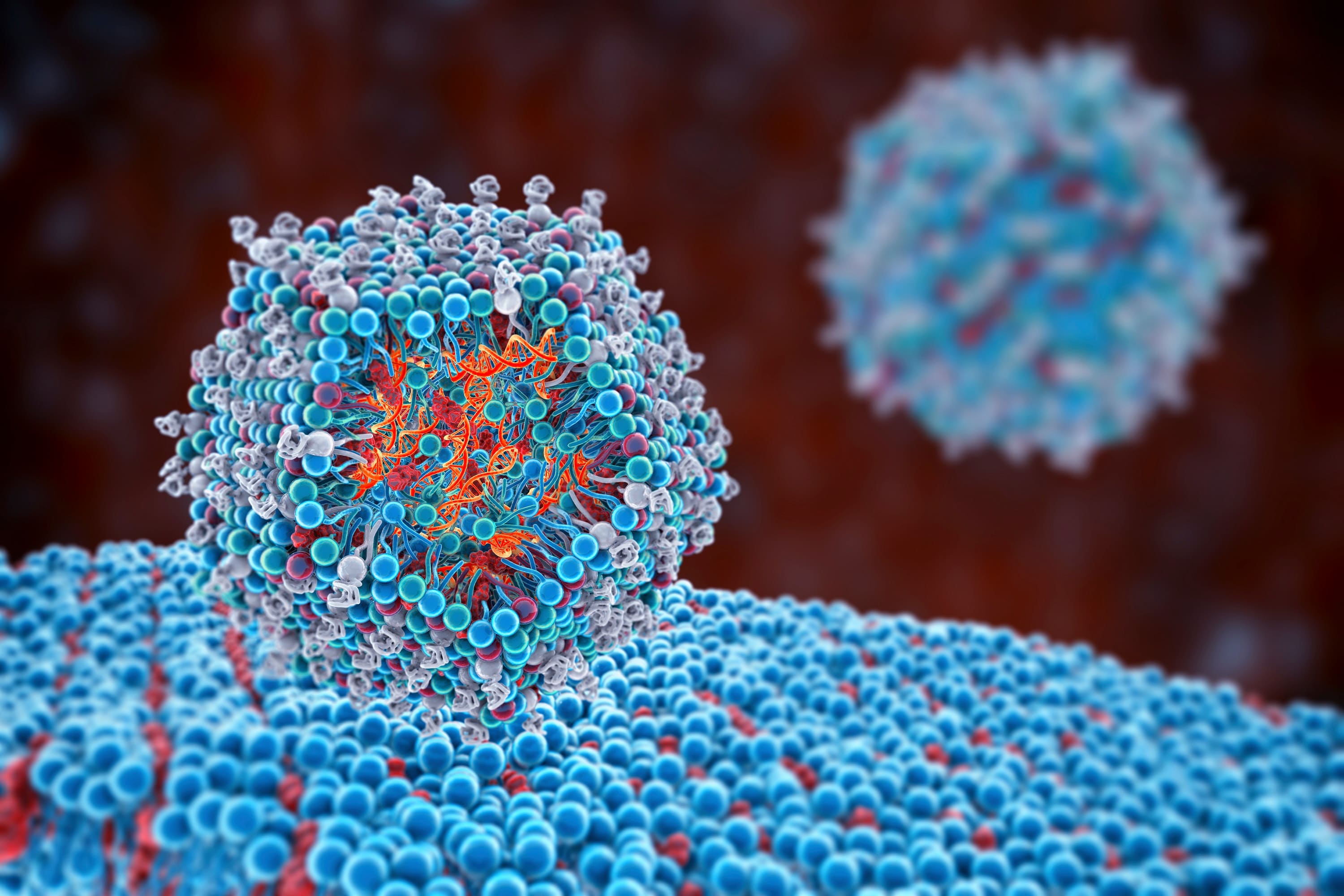
The Karolinska Institute has awarded the Nobel Prize in Medicine or Physiology to Katalin Karikó and Drew Weissman for their groundbreaking discoveries, which have radically changed our understanding of how mRNA interacts with our immune system, and made it possible to develop vaccines at unprecedented speed during the covid-19 pandemic.

0

Reaction: flu vaccination may cause more adverse reactions in women than in men

A meta-analysis analyzing the results of 18 clinical trials concludes that influenza vaccination may produce more adverse reactions in women than in men. According to the authors, whose research is published in the Journal of Epidemiology & Community Health, "the data suggest that most reactions are mild, self-limited, and rarely serious." "Transparent communication about the increased risk for women could help maintain long-term confidence in health authorities and vaccines," they add.

0

Reactions: pre-publication claims part of dementia cases are caused by herpes-like viruses

An international team of scientists, led by Stanford University (United States), has designed a study to analyse the relationship between herpes zoster virus infections and the development of dementia. To do so, they took advantage of the introduction of the Zostavax vaccine against this virus in 2013 in Wales (UK), which people over the age of 80 could not receive. After reviewing data from people around this age over the following seven years, they concluded that the vaccine reduced the relative risk of dementia by 20%. According to the authors, their study, which is in prepublication form and has not been peer-reviewed, "leads to the conclusion that shingles vaccination is most likely an effective way to prevent or delay the onset of dementia".

0

Reactions: Phase 1 clinical trial tests personalised mRNA vaccines for pancreatic cancer

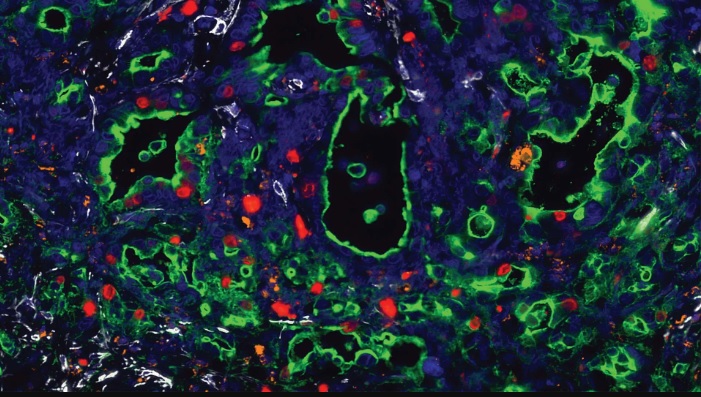
A phase 1 clinical trial has tested personalised mRNA vaccines against the most common type of pancreatic cancer with a particularly poor prognosis. The treatment, which is tailored to the characteristics of each patient's tumour, was given to 16 people along with surgery, chemotherapy and other immunotherapy. Half of them showed an immune response to the vaccine, which was associated with a better prognosis. The results are published in the journal Nature.

0

Reactions to Phase 1 trial of a new prototype universal flu vaccine

A study published in the journal Science Translational Medicine shows the results of a phase 1 trial of a new broad-spectrum influenza vaccine. Prepared in the form of nanoparticles containing the H1 hemagglutinin stem-a region that is often conserved in different subtypes of the virus-the vaccine was generally well tolerated by participants, who showed only mild side effects such as tenderness and headaches. The prototype generated an antibody response to group 1 influenza viruses in all age groups.

0

Reactions: EMA authorises Hipra's Spanish vaccine against covid-19

The European Medicines Agency (EMA) has licensed Hipra's vaccine - currently called Bimervax - against SARS-CoV-2 as a booster in people aged 16 years and older who have previously been vaccinated with mRNA vaccines. The EMA began the ongoing evaluation of the vaccine, which was expected to be approved in the middle of last year, on 29 March 2022.

0

Cancer vaccines: what they are, what they aren't and where we are now

News of cancer vaccines proliferate in the media, yet only one such vaccine has been approved - against metastatic prostate cancer - and is no longer in use. However, only one as such has been approved - against metastatic prostate cancer - and it is no longer in use. Are the attention and hopes justified? What do they consist of and how are they similar to traditional ones? Are they preventive or therapeutic? Can they be universal or will they be extremely personalised? How much will they cost? This is what we know today.

0