Julián Campo

Julián Campo

Julián Campo
Position

Member of the Food Security and Environment Research Group of the Desertification Research Centre (Valencia)

International fish trade increases risk of PFAS exposure worldwide
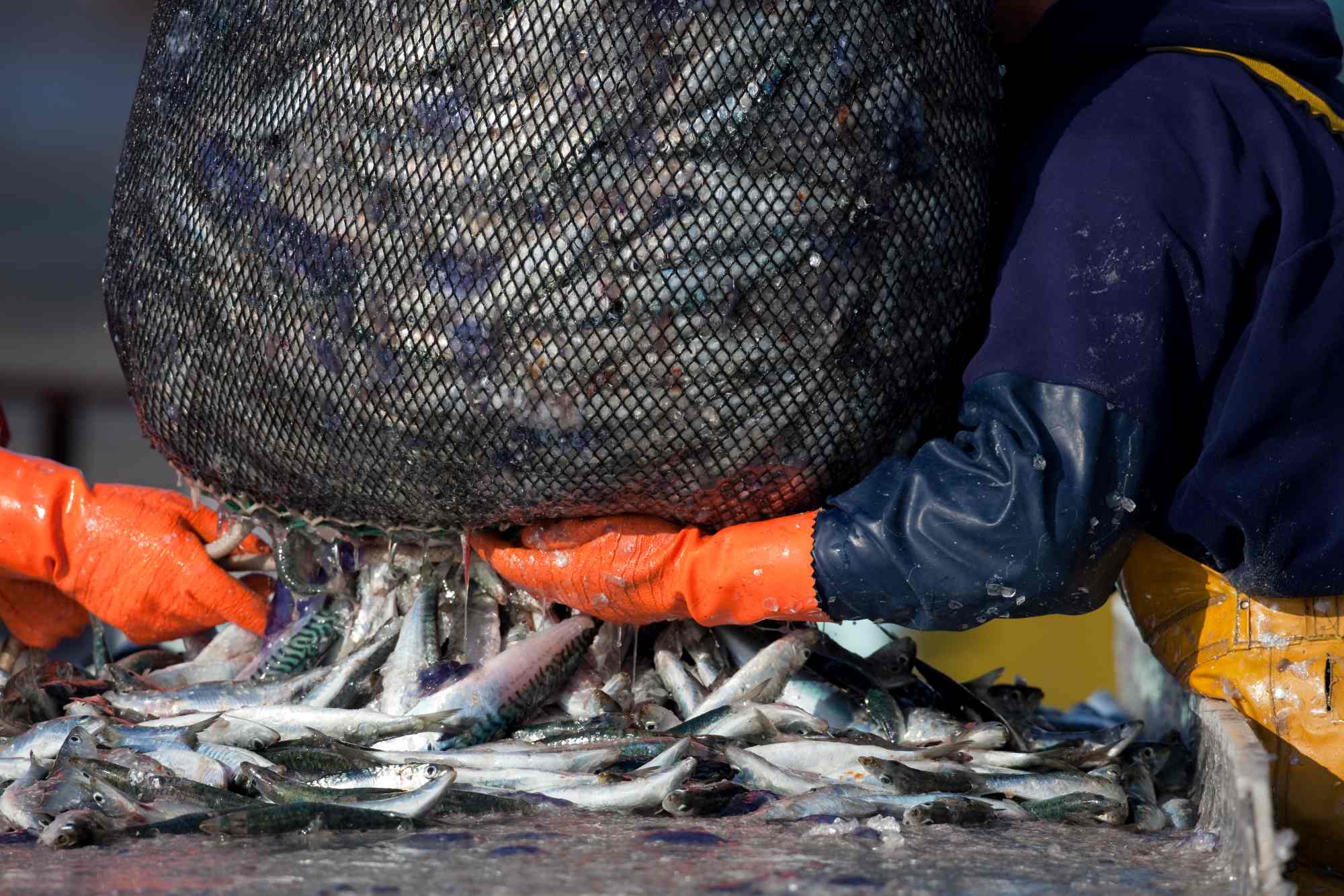
Science journal has published a global map showing exposure to perfluoroalkyl and polyfluoroalkyl substances (PFAS) through the consumption of fish products. PFAS are substances that are difficult to break down, meaning they can accumulate in the body, and some are linked to health problems. The authors collected data over 20 years from PFAS measurements in the marine environment and fisheries, and mapped the concentrations of these compounds in more than 200 species of marine fish. The study shows that international fish trade redistributes the risk of PFAS exposure from highly polluted regions to less exposed areas, with European trade playing a key role in increasing the risk of exposure to these substances. 

0
Reactions: Study warns of PFAS contamination in global water systems

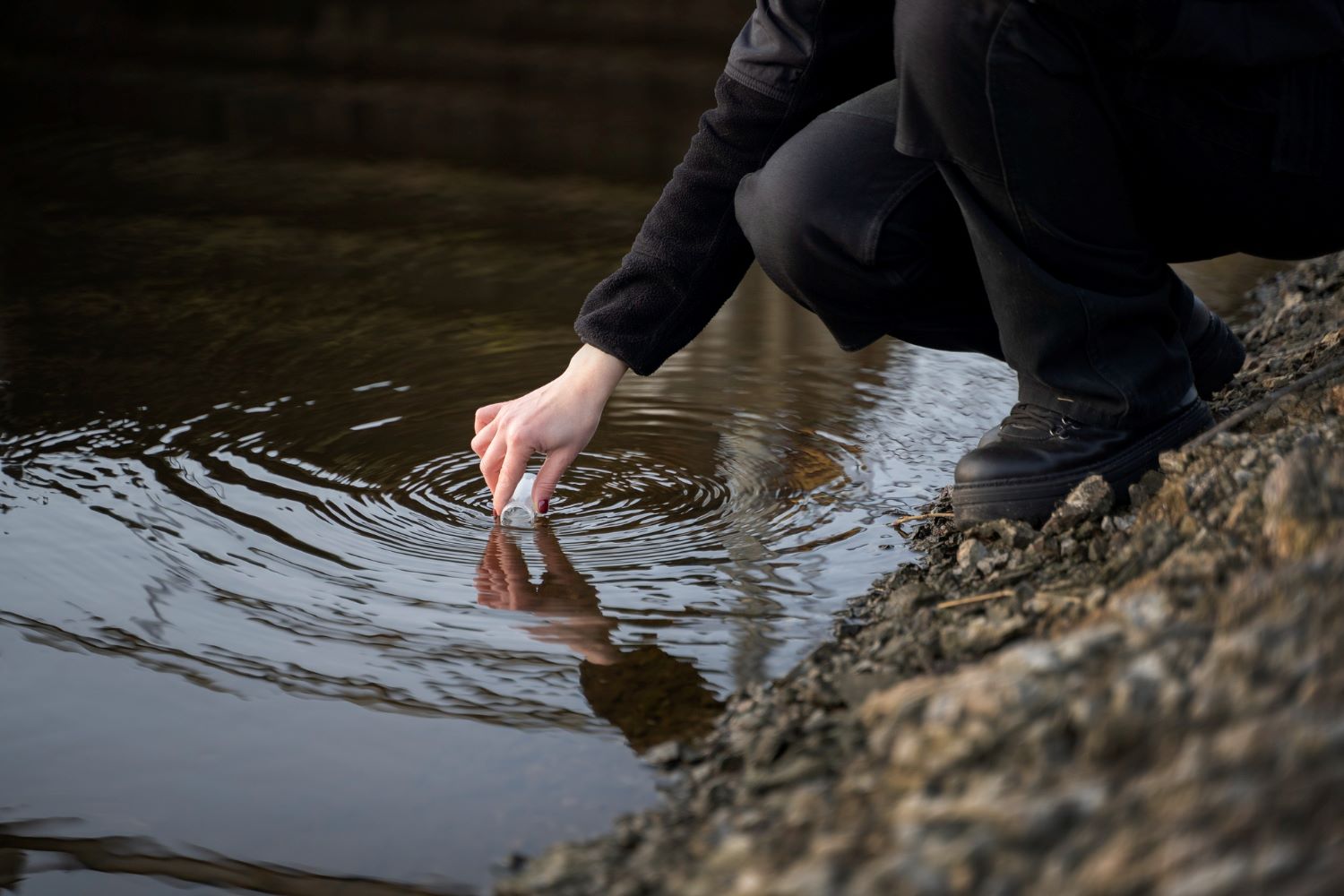
A "large fraction" of groundwater samples are contaminated by perfluoroalkyl and polyfluoroalkyl substances (PFASs) and would be considered unacceptable for drinking water, a study claims. The analysis, published by Nature Geoscience, brings together data from 273 studies of surface and groundwater samples from around the world since 2004. The exact proportion of samples exceeding the thresholds varies according to the standards considered. For example, 69% of groundwater samples with no known source of contamination exceed the Canadian threshold, but the figure is only 6% if the EU criterion for the sum of all PFASs is considered.

0

Reaction: Research finds PFAS in toilet paper discharged into US wastewater

US scientists have found perfluoroalkylated and polyfluoroalkylated substances (PFASs) in sewage sludge from toilet paper waste. The research, published in the journal Environmental Science & Technology Letters, analysed the presence of these persistent and potentially harmful compounds in toilet paper rolls sold in North, South and Central America, Africa and Western Europe. These substances were compared with those detected in samples of sewage sludge from sewage treatment plants in the United States.

0