Rubén del Campo

Rubén del Campo

Rubén del Campo
Position

Spokesperson of the State Meteorological Agency (AEMET)

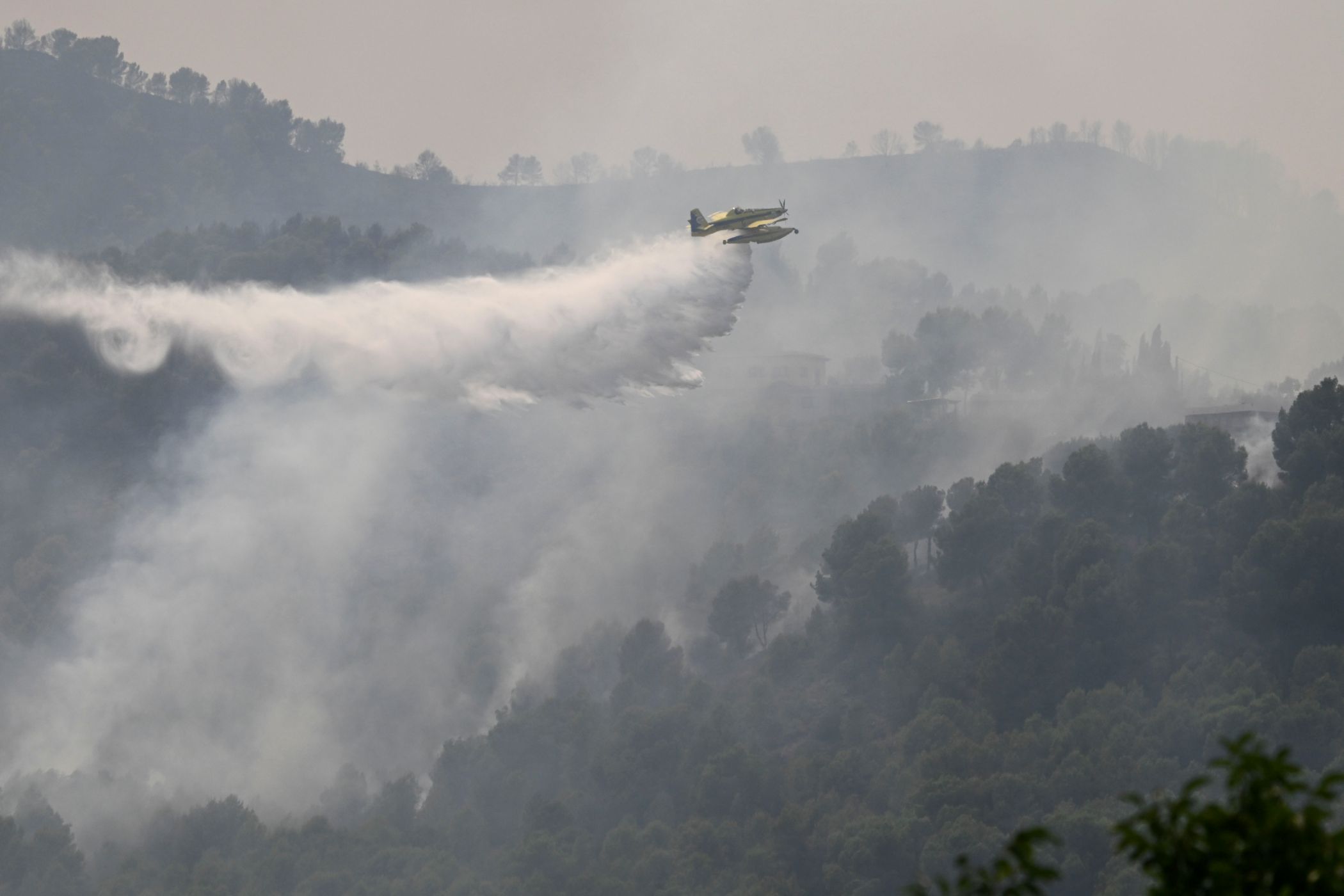
Weather conditions conducive to wildfires have worsened significantly in Spain and France

In some areas of Spain and France, the intensity of weather conditions that favour wildfires — heat, drought and wind — increased by up to 50 per cent between 2016 and 2025, compared with the period between 1981 and 2010. This is one of the conclusions of a study carried out by a team including Spanish researchers, which analysed national records of forest fires in southern Europe – Spain, Portugal, France, Italy and Greece – alongside meteorological and climatic data from 1981 to 2025. The data, published in Scientific Reports, show that the number of days with conditions conducive to fires also increased in some areas of these countries. However, the annual number of fires over the last decade was 40 per cent lower than in the 1981–2010 period in all countries – a decline which, according to the authors, is consistent with a reduction in fires caused by humans, driven by stricter regulations.

0

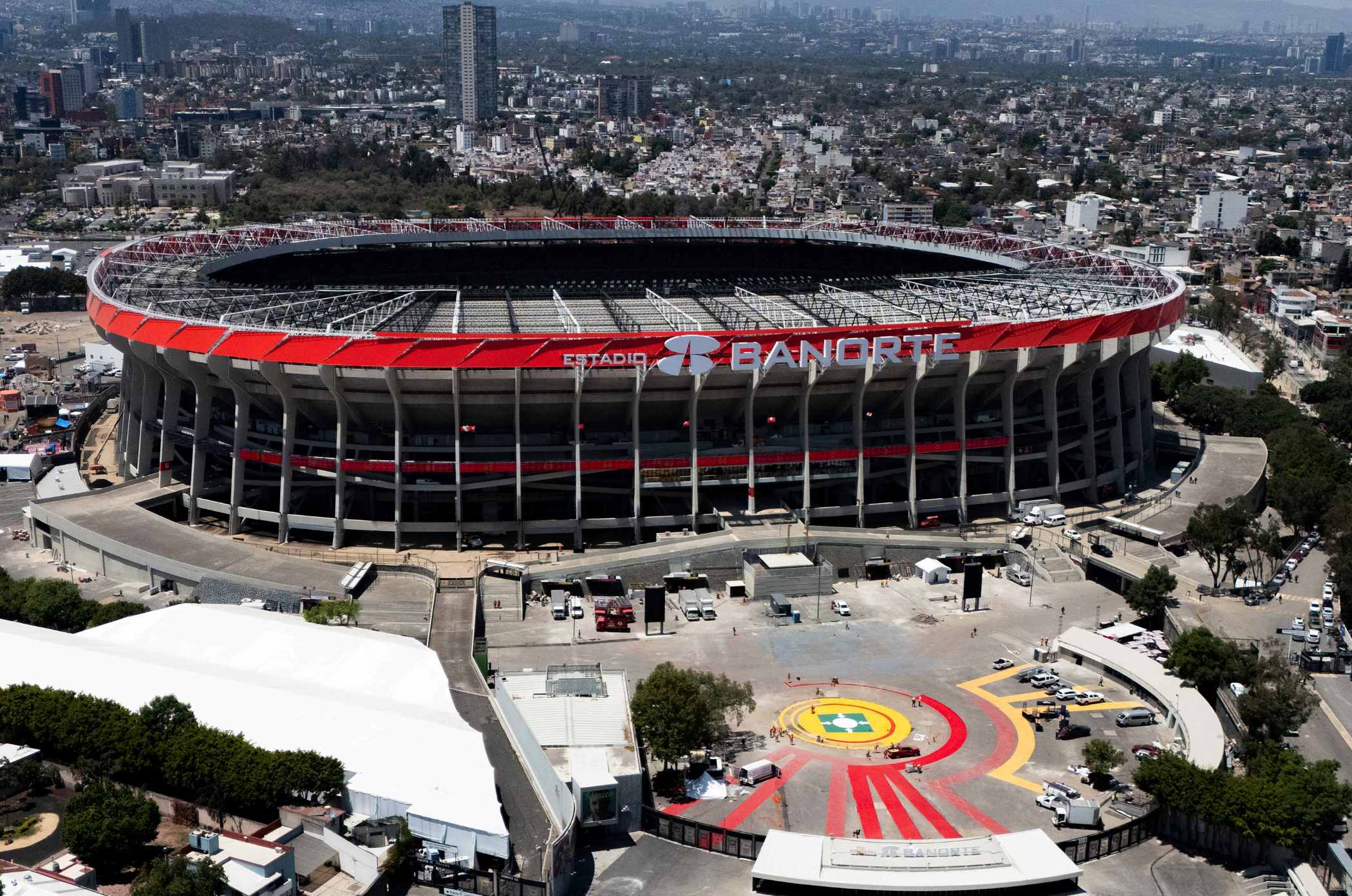
The heat at the World Cup in North America will exceed safe playing conditions for several matches

An analysis by World Weather Attribution shows that players and fans face a much higher risk of extreme heat and humidity at the 2026 FIFA World Cup—to be held from June 11 to July 19 in North America—compared to the 1994 tournament held on the same continent. The report analyzes the likelihood that each of the 104 matches to be played in Canada, the United States, and Mexico will meet the safety guidelines set by the FIFPRO players’ union. Nearly a quarter of the matches will be played when conditions exceed a wet-bulb temperature of 26°C—an index that measures the body’s ability to cool itself—which requires cooling breaks. In addition, five matches will exceed the 28°C threshold for this indicator—equivalent to 38°C in dry heat—a limit set by FIFPRO for postponing matches.


0

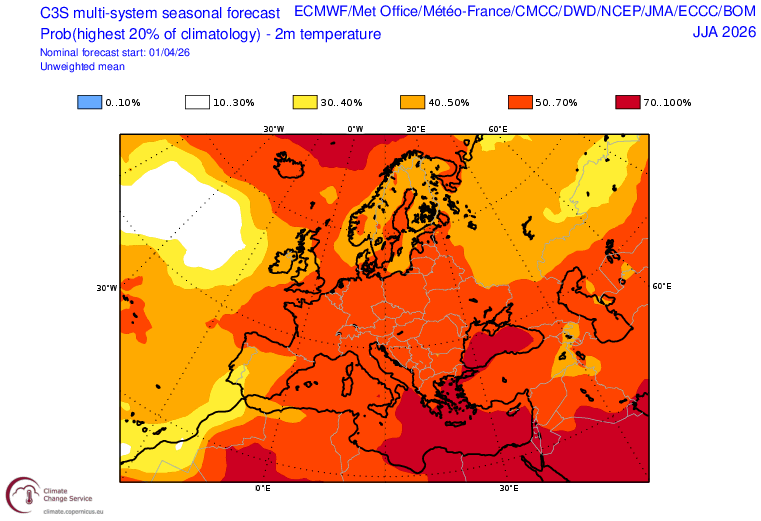
Weather forecasts warn that El Niño could return this year with greater intensity

The latest forecasts from the European Centre for Medium-Range Weather Forecasts (ECMWF) suggest that there is a likelihood that the phenomenon known as El Niño will return this year and that it will do so with greater intensity. In Europe, for June through August, the forecast indicates a slight tendency toward below-average precipitation in the northeast of the continent. As for the Iberian Peninsula, temperatures are expected to exceed the top quintile of the seasonal average. Although it is not yet certain that this will occur, forecasts for the coming months will either confirm or rule it out.

0

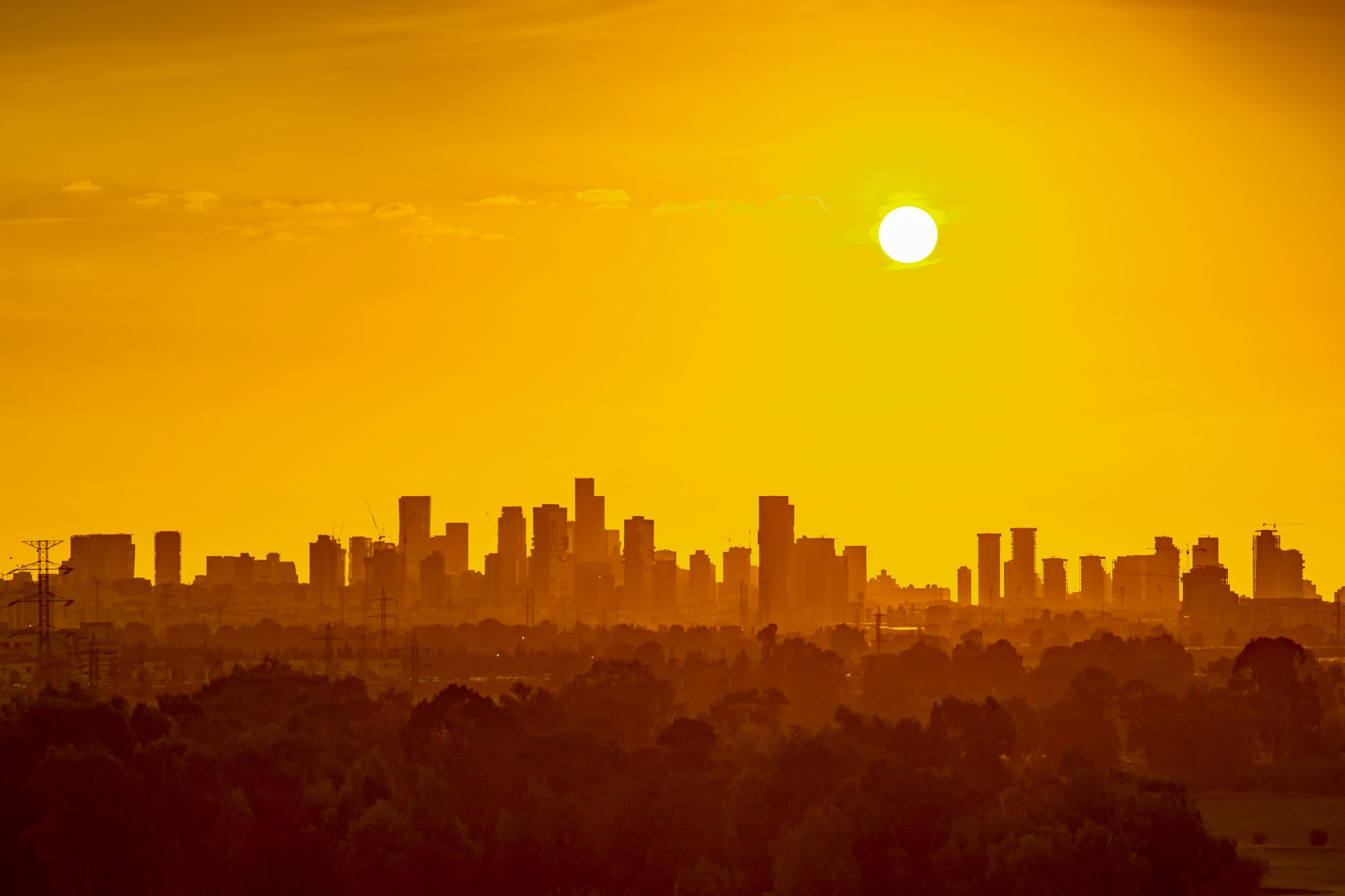
Extreme weather events in 2025 pushed adaptation capacity to its limits

In 2025, climate change drove extreme weather events around the world, disproportionately affecting vulnerable and marginalised communities. In addition, global temperatures were exceptionally high, heatwaves were significantly more intense than 10 years ago, and millions of people were pushed to the limits of their ability to adapt. These are the main conclusions of the 2025 report published by the World Weather Attribution initiative, whose experts believe that ‘drastically reducing fossil fuel emissions remains the key policy for avoiding the worst impacts of climate change’.


0

Are extreme weather events the only threat from climate change?

Despite the overwhelming evidence, climate change denialist messages have found a loudspeaker in certain social networks. Of importance in this disinformation strategy is the attempt to discredit the scientific community in general, and climate researchers and weather forecasters in particular. However, the study of climate and the prediction and monitoring of adverse weather phenomena is in the interest of society as a whole.

1