SMC Spain

SMC Spain

SMC Spain
Position
Topics

HIV in breast milk of women with undetectable HIV levels in their blood studied

The risk of HIV transmission through breastfeeding is very low, but it is not non-existent in women living with HIV who have undetectable levels in their blood. Now, for the first time, a study published in the Annals of Internal Medicine has been able to test for HIV in the milk of two such women: one elite controller (who maintains low viral loads without antiretrovirals) and another who had been on treatment for years. Although small amounts of viral DNA were found, the virus was not infectious. The results show that such testing is possible and help confirm the very low risk of transmission.

0

Increase in human life expectancy is slowing down

The increase in human life expectancy may be slowing down, according to an analysis of data from nine regions around the world, including Spain, over the past three decades published today in Nature Aging. The accelerated rates of increase in life expectancy observed in the 20th century have slowed, especially after 2010: children born in recent years have a relatively low probability of reaching 100 years of age. The authors suggest that there is no evidence that a radical extension of life expectancy has occurred or will occur in the 21st century.


0

Nobel Prize in Medicine or Physiology awarded to Ambros and Ruvkun for the discovery of microRNAs and their role in gene regulation

The Karolinska Institute has awarded the Nobel Prize in Medicine or Physiology to Victor Ambros and Gary Ruvkun for the discovery of microRNAs, small RNA fragments that do not contain instructions for making proteins but instead participate in the regulation of gene expression. Their role is fundamental in processes such as cell differentiation, and their alteration can influence diseases like cancer.

0

More than 1,300 bird species will become extinct in the next 200 years

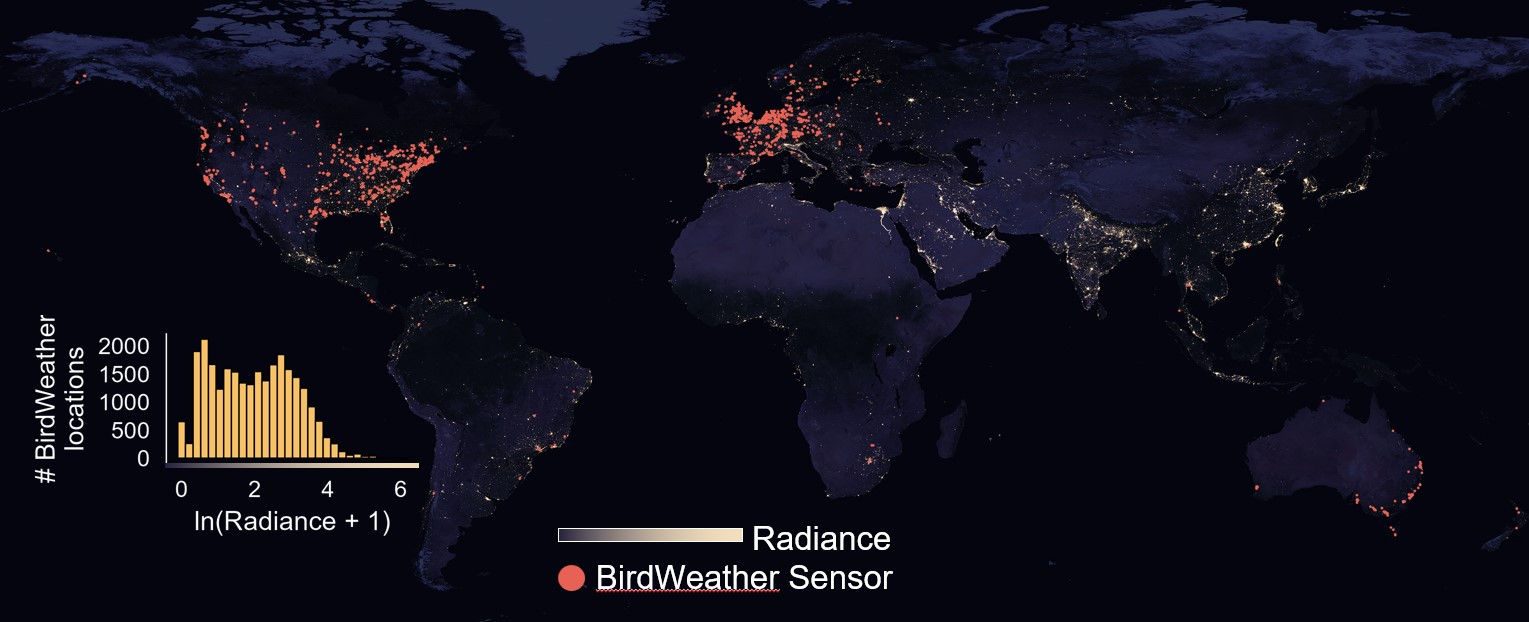
International research in which CREAF is participating estimates that more than 1,300 bird species will disappear over the next two centuries, which is more than double the number of extinctions recorded to date - 610 species have disappeared in the last 130,000 years. The study, published in the journal Science, shows that, for island endemics, the proportional losses have been and will be even greater. The authors warn that when a species becomes extinct, its role in the ecosystem may disappear with it.


0

Questions and answers on the Marburg virus outbreak in Rwanda

In Rwanda, according to the latest ECDC data, 25 cases and 11 deaths have been detected in what is already the third largest outbreak of the Marburg virus to date. The WHO considers the overall risk to be low and possible imported cases from Belgium and Germany - reported only yesterday in Hamburg - have proved to be false alarms. What is of concern is the national and regional spread of a virus for which mortality can be as high as 88% and for which there is no treatment or vaccine. In this article we answer the main questions.

0

Banning tobacco among young people would prevent more than a million deaths from lung cancer

If lifetime tobacco consumption were banned among young people currently aged 14 to 18, 1,200,000 lung cancer deaths worldwide could be prevented in the future, according to a study with Spanish involvement published in the journal The Lancet Public Health. The greatest impact would occur in low- and middle-income countries, but in higher-income regions, more than 60% of lung cancer deaths in that age group would also be avoided.

0

Babies born through assisted reproduction have increased risk of serious heart defects, study finds

The relative risk of being born with a major heart defect is 36% in babies conceived using assisted reproductive techniques, such as in vitro fertilisation, compared to newborns not using these techniques, according to a study published in the European Heart Journal. The absolute risk was 1.84% versus 1.15%. The research, which included more than seven million babies born in Denmark, Finland, Norway and Sweden, also shows that the increased risk is especially associated with multiple births, which are more common in assisted reproduction.


0

Two low-pollution alternatives proposed to extract lithium from diluted brines like seawater

Lithium, a material widely used for battery production, is typically extracted from rocks and concentrated brines, but these reserves are expected to run out by 2080. The alternative is to evaporate more diluted brines (such as seawater), but the traditional process is inefficient, polluting, and consumes large amounts of water. Two new studies published in Science propose two more viable and environmentally friendly alternative methods: the first uses a membrane that filters lithium through a transpiration system similar to that of plants, requiring only solar energy. The second combines electrodes to mimic a battery and move lithium from the brine (cathode) to fresh water (anode).

0