
Autonomous University of Barcelona
If you are the contact person for this centre and you wish to make any changes, please contact us.
Member of the Water and Global Change Research Group at the Centre for Research in Ecology and Forestry Applications (CREAF), at the Autonomous University of Barcelona
PhD in Psychology in the Department of Psychiatry and Legal Medicine at the Universitat Autònoma de Barcelona and coordinator of the GRETA group (Research Group on Evaluation and Treatment of Self-harm)
Associate Professor (Professor Agregat Serra Hunter) at the Department of Applied Economics of the Universidad Autónoma de Barcelona (UAB)
Head of Adult Mental Health at Fundació Hospitalàries Barcelona, assistant psychiatrist at the Vall d'Hebron University Hospital psychiatry department, and associate professor in the Department of Psychiatry and Legal Medicine at the Autonomous University of Barcelona (UAB)
Professor of Ecology at the Autonomous University of Barcelona and CREAF researcher
Senior researcher at the Institute of Environmental Science and Technology (ICTA-UAB) of the Autonomous University of Barcelona
Professor Emeritus of Psychobiology at the Autonomous University of Barcelona (UAB) and full member of the Spanish Academy of Psychology
Coordinator of the Neuro-oncology Unit of the Bellvitge Biomedical Research Institute (IDIBELL) and researcher of the Neuroplasticity and Regeneration Group of the Autonomous University of Barcelona
Juan de la Cierva researcher in the Department of Geology at the Autonomous University of Barcelona
Research Associate in Palaeoprimatology and Human Palaeontology at the Miquel Crusafont Catalan Institute of Palaeontology, Autonomous University of Barcelona
Head of the Diabetes Immunology Group at the Germans Trias i Pujol Research Institute (IGTP, Badalona) and associate professor of Immunology at the Autonomous University of Barcelona
Head of the Laboratory of Gene Therapy in Neurodegenerative Diseases of the VHIR-UAB Mixed Unit
Researcher at the Hospital del Mar Medical Research Institute (IMIM), professor of public health at the Autonomous University of Barcelona and author of the book Vive más y mejor
Research director
Doctor in the Paediatric Oncology and Haematology Department at Vall d'Hebron Hospital and associate professor in the Paediatrics Department at the Autonomous University of Barcelona
PhD in Anthrozoology, and gradute in ethology and Biochemistry by the Autonoma University of Barcelona.
ICREA Research Professor, Director of Andero Lab and the Rodent Behavioral Core at the Autonomous University of Barcelona (UAB), and researcher in the Department of Psychobiology and Methodology of Health Sciences at the UAB and at the Carlos III Health Institute, CIBERSAM
Professor of Biochemistry and Molecular Biology at the Universitat Autònoma de Barcelona and a researcher on the Academia de Excelencia programme
Doctor of Public Health, member of the Research Group on Psychosocial Risks, Work Organisation and Health (POWAH) at the Institute of Labour Studies at the Autonomous University of Barcelona, and member of the Trade Union Institute for Work, Environment and Health (ISTAS)
Researcher at the Universitat Autònoma de Barcelona
Researcher in the Department of Sociology at the Autonomous University of Barcelona and director of the Globalisation, Education and Social Policies research group

The PsychENCODE consortium, established in 2015 and dedicated to illuminating the molecular mechanisms underlying schizophrenia, bipolar disorder, and autism spectrum disorder, presents findings based on the examination of human brains at the cellular level. The studies are published today in the journals Science, Science Translational Medicine and Science Advances.
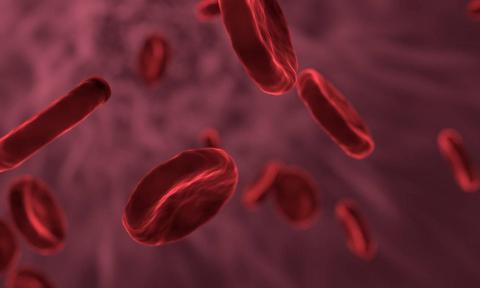
Research published a few days ago in the New England Journal of Medicine (NEJM) found a considerable and hitherto unknown degree of micro- and nanoplastic contamination in human arteries. It was a bit of a surprise that NEJM accepted the paper, as it usually publishes little on the environmental causes of human disease. The good thing is that the publication makes visible, legitimises, stirs up and will encourage other similar work.

Eating more ultra-processed foods is linked to a higher risk of health problems, according to an umbrella review of 45 previous meta-analyses, involving almost 10 million people in total. The research, published in The BMJ, finds direct associations between exposure to ultra-processed foods and 32 health parameters. The strongest evidence links this exposure to cardiometabolic health problems, mental disorders and overall mortality.

Access to safe public spaces to meet, employment, education and public health are some of the main measures recommended to make cities more friendly to the mental health of young people and adolescents. The analysis, based on surveys of 518 people in several countries, is published in the journal Nature and is intended to serve as a guide for urban planning policies that reduce inequalities and take into account the needs of young people.

Early-life adversity, such as separation from the mother, can alter the neurological functioning of mice, causing some to experience panic and anxiety later in life. A study shows that these changes can be passed on for at least two generations and that inhalation of a drug, the diuretic amiloride, can reverse them. According to the authors, this treatment could be used in the future to alleviate panic disorders and related conditions in humans. The results are published in the journal Science Advances.
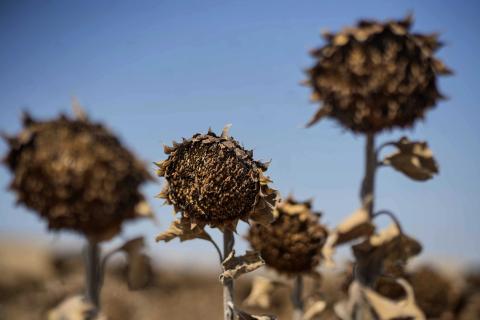
With the prolonged meteorological drought we find ourselves in, we are focusing too much on climate as its cause, while there is a lack of debate about the real problem: chronic water demand. It is necessary to rethink consumption models with all the actors of society and the competent administrations. A future adapted to climate change must address drought by prioritizing the restoration of our water systems and questioning the current development model.

A team of scientists led by the Catholic University of America in Washington has designed new artificial vectors based on viruses to improve gene therapy processes. The main novelty is that they are constructed from viruses that infect bacteria. Among other advantages, this would make it possible to avoid the possible memory of our defences against them and have a greater capacity. According to the authors, who publish their results in the journal Nature Communications, these nanoparticles "have the potential to transform gene therapies and personalised medicine".

The time adolescents spend on social media is one of the least influential factors for their mental health, according to a study published in Nature Mental Health. The analysis attempts to untangle the complex web of risk factors and protective factors, using data from more than 12,000 young people in the UK. Among the factors studied, it concludes that bullying, lack of family support and school work dissatisfaction are more influential than time spent on social media. According to the study, life dissatisfaction and lack of family support are the most influential factors for girls and boys, respectively.
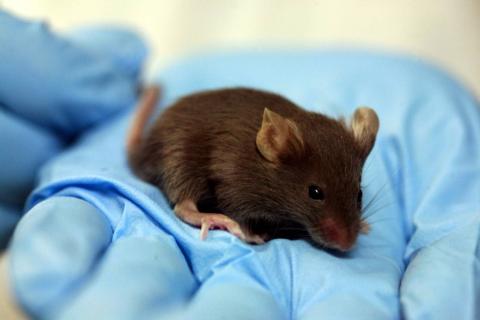
A drug in gel form cured 100 percent of mice with a very aggressive brain tumor. The authors hope that this is a first step towards helping human patients with glioblastoma, one of the most dangerous brain tumors in humans. The article is published today in PNAS.

Beta-blockers (β-blockers) are drugs to treat heart conditions that are also used for anxiety. According to research published in PLOS Medicine, periods of treatment with these drugs are associated with a lower risk of being charged by the police with a violent crime - a 13% lower risk than periods without treatment. The research, which included nearly 1.5 million people in Sweden between 2006 and 2013, does not support the use of these drugs to treat anxiety.