University of Navarra Clinic
If you are the contact person for this centre and you wish to make any changes, please contact us.
Professor of Immunology at the University of Navarra, CIMA researcher and co-director of the Department of Immunology and Immunotherapy at the Clínica Universidad de Navarra.
Specialist in Hematology at the Clínica Universidad de Navarra
Researcher in the Solid Tumours Programme at CIMA and the Clínica Universidad de Navarra
Neurologist specialising in the diagnosis and treatment of headaches
Lecturer of the Department of Ophthalmology at the University of Navarra and researcher at the Experimental Ophthalmology Laboratory at the University of Navarra Clinic.
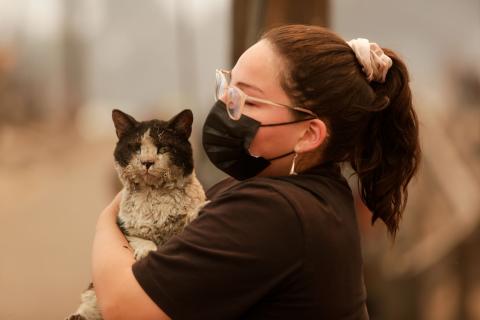
A team from Canada analyzed nearly one million emergency room visits for migraines or headaches that occurred between 2010 and 2023 in two Canadian provinces during the peak wildfire season. Their analysis shows that the presence of small particles less than 2.5 microns in diameter (PM2.5) from wildfire smoke was associated with an increase in emergency room visits for migraines and headaches. The study is published in JAMA Network Open. In Spain, the Ministry of Health has published health recommendations for action in the event of wildfires. The Community of Madrid, with several active fire fronts, has shared this video with safety and protection tips.

Pancreatic ductal adenocarcinoma (PDAC), the most common form of pancreatic cancer, is an aggressive tumor that is often diagnosed at advanced stages. Some people are at high risk of developing it due to a hereditary predisposition (10% of cases) or an injury. A new Phase 1 clinical trial has tested, in high-risk patients, a vaccine targeting several mutations in the KRAS gene responsible for more than 90% of these tumors. The vaccine has been shown to be safe and has stimulated specific immune responses, detectable in the blood up to two years later, in 90% of the study participants. The study is published in Cancer Discovery.
We often see headlines claiming that new research has found a ‘cure’ for diseases. However, what are the real chances of this being true? How does the current stage of the research affect its ultimate outcome? Has it already been tested on humans, or only on laboratory animals? In this article, we explain why animals are used in biomedicine, the reasons why mice are the most commonly used, the steps and timeframes involved from when a treatment appears effective until it can be determined whether it works in people, the characteristics and limitations of various disease models, and how results should be communicated to inform the public without raising false hopes.
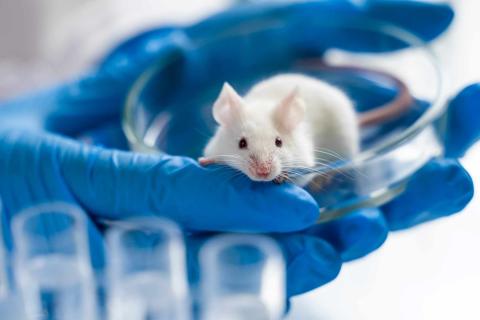
A team from the United States analyzed 611 samples from 341 model mouse strains stored at the Mutant Mouse Resource and Research Centers (MMRRC), a research resource network supported by the National Institutes of Health (NIH). By comparing the identity of each strain with its actual genetic profile, they found that approximately half of the samples showed discrepancies. Although the expected engineered mutation was generally present and many inconsistencies were relatively minor, some had the potential to compromise the validity and reproducibility of the experiments by introducing hidden genetic variables that could alter biological outcomes. The findings are published in Science.
[Nature Medicine has retracted this article on 24 June 2026]
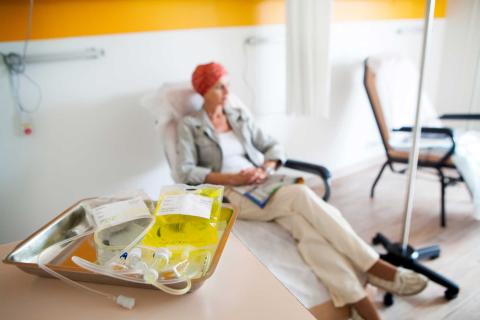
A phase 3 clinical trial conducted in China tested 210 patients with advanced non-small cell lung cancer—the most common type—to see whether the time of day when immunotherapy and chemotherapy were administered influenced their effectiveness. The data indicate that, on average, those who received therapy after 3 p.m. did not see their cancer worsen for 5.4 months. In contrast, those who received it before that time did not see their cancer worsen for an average of 11.7 months, almost twice as long. Overall, response rates were 56.2% and 69.5%, respectively. The results, published in Nature Medicine, suggest that scheduling therapy early in the day may offer a simple and cost-free way to improve treatment efficacy.
A diet rich in omega-3 fatty acids, found mainly in fish oils, may help prevent the development of myopia in children, while high consumption of saturated fats, found in foods such as butter, palm oil and red meat, may increase the risk of developing this condition, according to research published in the British Journal of Ophthalmology. The study was conducted on a thousand children in Hong Kong aged between six and eight.
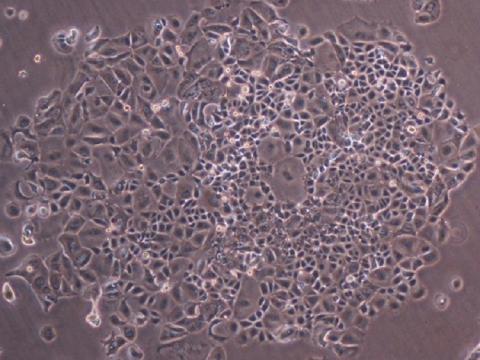
Certain immunotherapy treatments for cancer work by releasing the brakes on our defences. However, their response varies and is not uniform in all patients. A team in the United States has now published a study in Nature according to which certain autoantibodies present in patients could improve the efficacy of the therapy, which would explain some of this variability and could be used to design future complementary treatments.
A phase 1 clinical trial has tested the safety and preliminary efficacy of a new form of CAR-T cell therapy - which they call “armed” - in patients with lymphoma. The novelty consists of adding another gene to help increase response. Of the 21 patients treated, all resistant to multiple lines of treatment including approved CAR-T therapies in 20 of them, 81% showed a response and 52% went on to achieve complete remission without significantly greater side effects than with the standard option. The results are published in the journal NEJM.

An international team has found that aspirin is capable of reducing the appearance of metastasis in mice, by enabling the activation of T lymphocytes capable of recognising tumour cells. The research showed that several different mouse cancer models — including breast cancer, colon cancer and melanoma — treated with aspirin showed a lower rate of metastasis in other organs, such as the lungs and liver, compared to untreated mice. According to the authors, who publish the results in the journal Nature, ‘the finding paves the way for the use of more effective anti-metastatic immunotherapies’.

A meta-analysis that included 45 studies involving more than 330,000 people has analysed the association between the time spent exposed to digital screens and the risk of developing myopia. The results of the study, published in JAMA Network Open, show that the risk of myopia increased significantly by just over 20% for every hour of daily use after the first hour.