The Ministry of Interior has declared a state of emergency of national interest in the Community of Madrid and the province of Ávila due to three forest fires
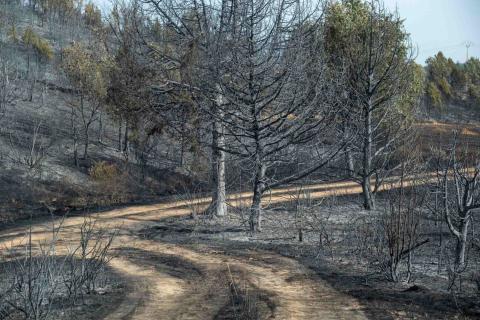
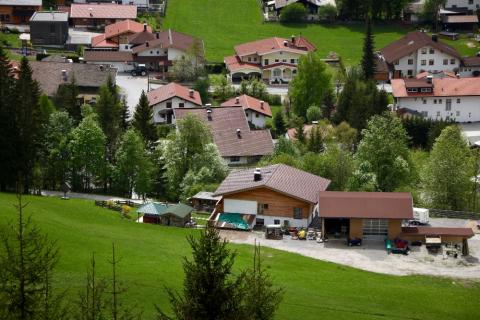
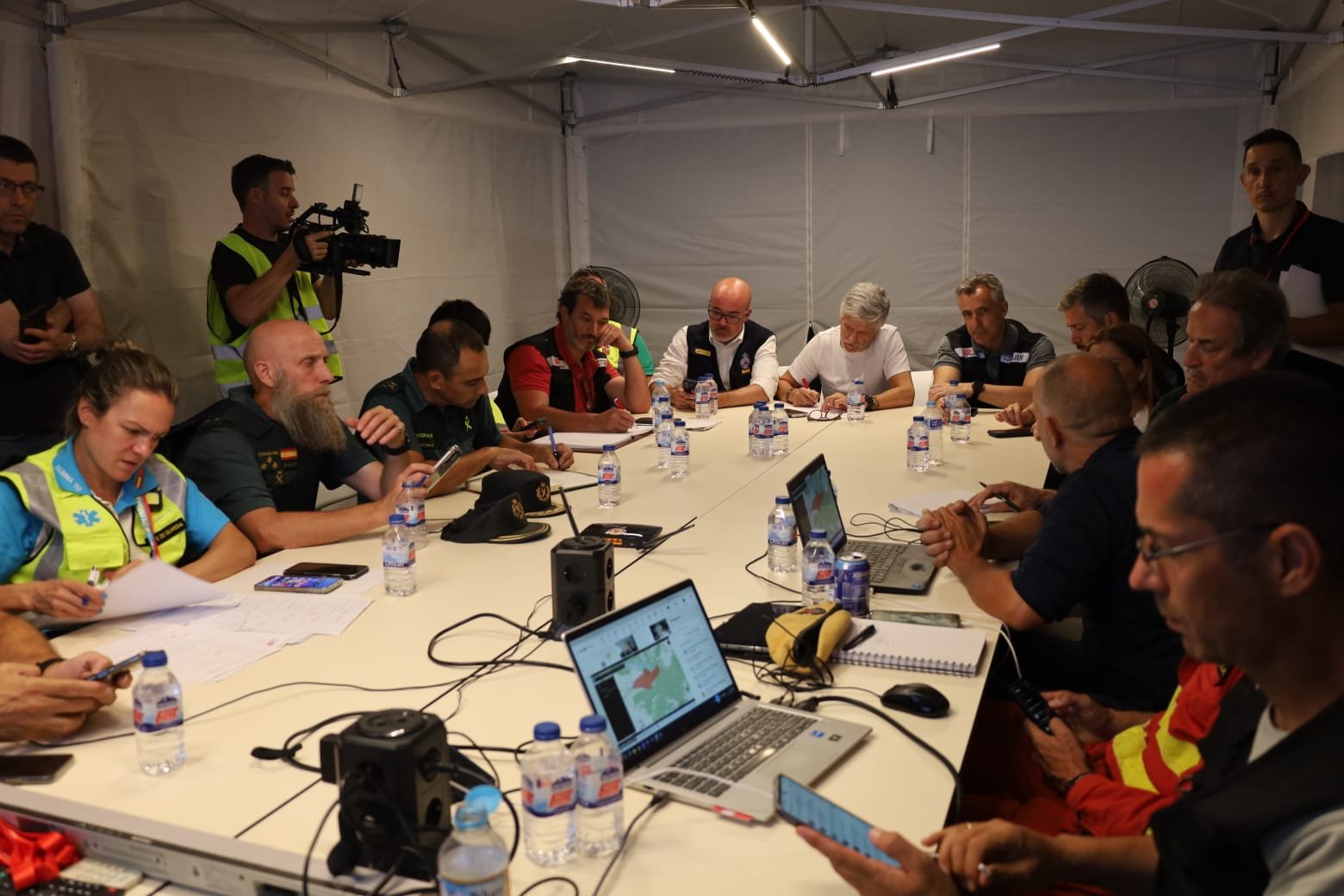
Early this morning, the Minister of Interior, Fernando Grande-Marlaska, declared a state of emergency of national interest in the Community of Madrid and the province of Ávila due to the forest fires in Villa del Prado, San Martín de Valdeiglesias and Burgohondo. According to Carlos Novillo, the Regional Minister for the Environment, Agriculture and the Interior of the Community of Madrid, the fires were beyond the capacity of the fire services to extinguish and posed a serious threat to the population. The Madrid 112 Security and Emergency Agency has reported that, although the night-time firefighting efforts have been effective, the fires have still not been contained or brought under control. More than 10,000 people remain evacuated.
Víctor Resco de Dios - incendios Madrid julio
Víctor Resco de Dios
Lecturer of Forestry Engineering and Global Change, University of Lleida and researcher at Agrotecnio
What is the reason for the intensity of these three fires?
"The intensity of fire seasons has increased by an average of 30–40 per cent over recent decades. We have been warning about this for many years. This increase in intensity is due to all the energy stored in the countryside in the form of biomass, as a result of rural depopulation and, at times, excessively protectionist environmental policies. It is also, on the other hand, because the atmosphere is laden with drying energy, as a consequence of the burning of fossil fuels.”
What role does the type of vegetation in these areas play?
“What matters is not the type of vegetation, but the type of fuel – that is, how much biomass there is and, above all, how it is spatially connected. That is why we talk about creating mosaic landscapes, where discontinuities are introduced into the landscape: areas where the intensity of the flames decreases and firefighters can extinguish the fires. It is often claimed that pine and eucalyptus trees are to blame for the fires. The reality is that 70 per cent of what burns is scrubland and that the area of pine forest affected is decreasing (fires in eucalyptus plantations have always been rare, as they cover a very small area). On the contrary, studies show that protected areas are burning more frequently, precisely because of this continuity in vegetation and biomass (which does not mean that protected areas are a bad thing, but rather that fuel and fire must be managed).”
They are affecting the urban-forest interface. How can homes and the surrounding area be protected?
“There are many detailed guides available that any member of the public can consult. People need to take a series of measures to protect their homes and, in collaboration with the local council, implement protection plans.”
What can be done to prevent the flames from causing so much damage?
“Manage the fuel, the biomass – what burns in a fire. We must manage 1 million hectares nationwide, focusing on containment corridors at national and regional levels, strategic points at mountain range level and, additionally, at local level through prevention plans.”
Eduardo Rojas - incendios Madrid EN
Eduardo Rojas Briales
Lecturer at the Polytechnic University of Valencia and former Deputy Director-General of the FAO
What is the reason for the intensity of these three fires?
“The ferocity of the fires affecting Toledo, Madrid and Ávila is due to a combination of factors, notably two consecutive years of heavy rainfall followed by a sudden halt in the rains in May and the immediate onset of summer with consistently high temperatures and low humidity. Added to this is the fact that this is the part of the Central Mountain Range with the lowest rainfall, due to the lower altitude of its highest peaks, and consequently, vegetation that is more xerophytic and prone to burning than in other areas of the Central Mountain Range.
Compounding this is a northward shift in recent years of the contra-trade winds (a dry, warm tropical wind from the south-west), which sweep across the land in elevated areas south of the temperate storm cycle and are well known in Tenerife and La Palma for causing fires in the highest pine forests. Finally, the intense pressure from the Madrid property market, combined with the quality of these landscapes, has led to a great deal of scattered development—some of which predates modern town-planning regulations—and which poses many risks and diverts resources.”
What role does the type of vegetation in these areas play?
“As I have indicated, from the line running vertically from the city of Ávila to practically El Escorial, the Central System drops by around 1,000 metres, losing much of its ability to attract rain and storms, whilst also facilitating the flow of warmer, drier air masses from the south. As a result, temperate and high-mountain species (Scots pine, Pyrenean oak, etc.) disappear, to be replaced by maritime pine and stone pine, as well as holm oak. Furthermore, the soils do not retain much water or nutrients and are quite shallow.”
This is affecting the urban-forest interface. How can homes and the surrounding environment be protected?
“A first step is to establish regional regulations aimed at preventing fires in urban-forest interface areas, tailored to each territory and its legislation. Next, local councils should be required, either individually or collectively, to have comprehensive plans in place to prevent and minimise interface fires, with financial support provided for their implementation, particularly for smaller councils with fewer financial resources. The planned activities should include training and drills with local residents, particularly regarding evacuation when required. Some autonomous communities have made significant progress in this area and could serve as models, with the necessary adaptations.”
What can be done to prevent the flames from causing so much damage?
“Implement the plans outlined and, in the case of isolated houses, check the vegetation and any lightweight wooden or plastic structures to prevent the fire from spreading to homes. Similarly, enhance the infrastructure to ensure there is always a dual exit/entry route and adequate signage.”
Juli G. Pausas - incendios Madrid EN
Juli G. Pausas
CSIC lecturer at CIDE (Centre for Research on Desertification), Valencia
This is the chronicle of a situation long foretold. Once we, as a society, have accepted that we are changing the climate, these fires become part of the new normal; in other words, they are exactly what we expected. For decades, it has been warned that if we continue to drive up temperatures, the consequences could be very serious, including a significant increase in the frequency, size and intensity of wildfires. With the temperatures and heatwaves we are currently experiencing, almost any type of vegetation can catch fire. Last summer we saw beech forests (Fagus sylvatica) go up in flames, something unexpected.
From an ecological point of view, it is worth remembering that many of the areas affected by fires, especially those with a Mediterranean climate, will recover and biodiversity will not be lost. The situation is more problematic in the case of fires affecting higher-altitude areas, where species are not as well adapted to fire, as is the case with the beech trees I have just mentioned.
The solutions, of course, are not straightforward, and include both tackling climate change aggressively to prevent it from getting worse, and implementing fire prevention measures better suited to the new climate. Prevention may include, amongst other actions:
- Creating heterogeneity in the landscape (mosaics), that is, fragmenting large forest areas by alternating them with areas that are less flammable (for example, agricultural land), thereby creating landscapes that foster more sustainable fire regimes, both ecologically and socially.
- Encouraging small, frequent, low-intensity fires, either by making use of natural fires outside the summer months or by carrying out prescribed burns.
- Encouraging, as far as possible, extensive rural farming. The introduction of herbivores, whether native (rewilding) or livestock (private or municipal herds), can reduce the amount of fuel and, consequently, limit fires (and facilitate prescribed burning).
- Implement aggressive vegetation management around homes in the urban-forest interface; in these areas, self-protection and the acceptance of responsibilities and costs associated with living in flammable landscapes should also be encouraged.
- Limit the urban-forest interface, that is, restrict the expansion of housing developments and industrial estates into rural and natural areas.
Víctor Fernández-García - incendios madrid julio 26
Víctor Fernández-García
Lecturer in the Department of Engineering and Agricultural Sciences at the University of León
What is the cause of the intensity of these three fires?
“What we are seeing in recent years is the result of a combination of short-term problems and longer-term structural issues. In the short term, the weather conditions in spring (rainy) and summer (dry) are key factors and are closely linked to climate change. But these conditions are affecting a landscape that has been turning into a powder keg across the country for decades (abandonment of crops and land use, the accumulation and persistence of vegetation, the expansion of residential areas into the countryside, and plantations and scrubland coming ever closer to population centres).”
What role does the type of vegetation in these areas play?
“The vegetation in the area plays a decisive role. In terms of its composition, it is vegetation that is quite prone to fire and highly flammable (as is the case across almost the whole country), with a significant number of Spanish stone pine and Aleppo pine forests, or dense areas of scrub. Oak and chestnut groves are slightly less flammable. In any case, much of this vegetation is adapted to burning and catches fire easily in summer. Beyond its composition, the quantity and continuity of this vegetation—which acts as the fuel that feeds the fire—are of great importance.
We will probably hear once again that climate change is the main culprit, but presenting it as the sole cause may serve to sidestep the very issue we can actually act upon, namely the vegetation that feeds the fire; that is, the management of woodland and urban-forest interfaces".
They are affecting the urban-forest interface. How can homes and the surrounding environment be protected?
“The best way to protect homes is to ensure that the fuel (vegetation) and the homes are not too close together. In urban-forest interface areas, regional regulations have moved in this direction. Certain housing developments, buildings and facilities adjoining forest land must have a self-protection plan and maintain a perimeter strip free of dry vegetation, with sparse tree cover. Undeveloped plots, access routes and verges must also be managed.
The problem is that passing regulations and plans does not guarantee their implementation, as many of the areas that need to be kept free of vegetation consist of small private plots with numerous owners and are sometimes derelict, which makes management extremely difficult.”
What can be done to prevent the flames from causing so much damage?
“There is no single magic solution, but one key aspect could be to make greater use of controlled burning in the landscape – the kind of fire we want, ‘good’ fires to combat the outbreak of ‘bad’ fires.
We cannot prevent the next heatwave at local council or regional government level, but we can manage the vegetation, which is what feeds the fire. The aim is not to ‘clear’ the entire woodland, but to work in strategic areas so that, when a fire does arrive, it finds less fuel and can be brought under control without endangering the population. Treating all high-risk areas mechanically would be economically unfeasible, so we must complement traditional prevention work with efficient alternatives such as prescribed burning. We should even consider allowing certain low-risk fires to burn, such as many winter or spring fires, as these burnt areas will act as large firebreaks for a number of years.
It is well established that systematically suppressing all fires creates a false sense of security. If, for decades, there are no fires and no management measures to fulfil their function, fuel accumulates and the continuity of the fire increases. When a fire finally does occur (most likely in summer and under extreme weather conditions), it is much more intense and difficult to control, as there are large amounts of vegetation and, furthermore, landscapes that have not been fragmented by previous fires. This is, to a large extent, what is happening. Naturally, fires that threaten people and property must be extinguished, but such firefighting must be complemented by management measures throughout the rest of the year.”
Susana Gómez - incendios Madrid EN
Susana Gómez González
Coordinator of the Master's Degree in Conservation and Management of the Natural Environment and researcher in the Biology-IVAGRO department at the University of Cádiz
What is the cause of the intensity of these three fires?
"The intensity of the fires is due to extreme weather conditions, with high temperatures and strong winds, combined with the presence of dense and very dry (highly flammable) vegetation. Furthermore, as last year was very wet, this has led to a greater accumulation of vegetation compared with drier years. Climate change is intensifying these conditions and contributing to the occurrence of large and severe fires, particularly in the world’s temperate biomes, such as the Mediterranean.”
What role does the type of vegetation in these areas play?
“Climate change alone does not cause these extreme fires; rather, it interacts with the presence of dense, continuous fuel in the landscape, creating a very dangerous combination. In the affected areas, there is an abundance of maritime pine (Pinus pinaster), which is a highly flammable species. In the past, numerous reforestation schemes involving these pines were carried out across the entire peninsula, even in areas where they did not occur naturally (for example, on heathland). Furthermore, there is rural abandonment, which encourages scrub encroachment and the loss of mosaic landscapes (where natural areas are combined with cropland, grazing land, etc.). Consequently, in recent decades, the flammability of the landscape in Spain has increased and, combined with climate change, this heightens the risk of major fires".
These fires are affecting the urban-forest interface. How can homes and the surrounding environment be protected?
“Given that we cannot change the climate in the short term, the most important thing is to focus on prevention through fuel management in the landscape and sound land-use planning. In other words, fuel management must be a priority in these areas, but, in addition, the construction of homes in non-urban areas must be restricted, in accordance with land-use plans.”
What can be done to prevent the flames from causing so much damage?
“We must act at different spatial scales. On the one hand, we need to plan the land so that we have greater heterogeneity in land use (a mosaic landscape), as this helps to slow the fire down when it encounters areas with sparse vegetation. To achieve this, we must promote rural activities such as sustainable grazing. On the other hand, we must prioritise fuel management in urban-forest interface zones and in very dense forest plantations. And, of course, we must continue to tackle the climate emergency by limiting carbon emissions and conserving the ecosystems that sequester carbon.”