One in eight cases of cancer worldwide is linked to infections
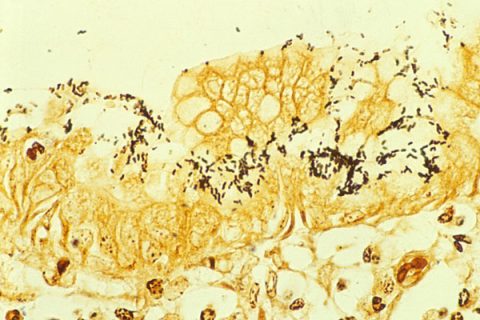
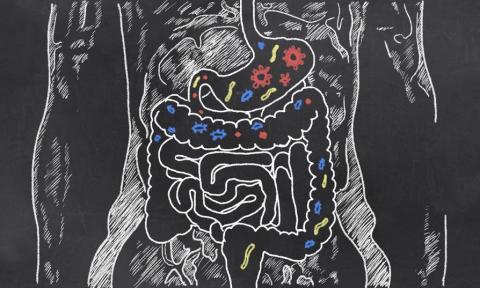
In 2024, some 2.3 million new cases of cancer worldwide were linked to infections — 12 per cent of all cases diagnosed that year — according to a study published in the journal The Lancet Oncology. Almost all of these cases are linked to five pathogens: the stomach bacterium Helicobacter pylori, the human papillomavirus (HPV), the hepatitis B and C viruses, and the Epstein-Barr virus. Low- and middle-income countries account for 77 per cent of all infection-related cancer cases.
Ramón Salazar - cáncer infecciones EN
Ramón Salazar
Head of Medical Oncology at the Catalan Institute of Oncology (ICO), head of the Colorectal Cancer Research Group, Oncobell programme (IDIBELL) and associate professor of Medicine at the University of Barcelona
Does the press release accurately reflect the study?
“Yes”.
Is the study of good quality? Are the conclusions supported by robust data?
“Absolutely, yes. GLOBOCAN and IARC are the WHO’s leading institutions for cancer epidemiology”.
How does this work fit in with the existing evidence?
“It is in line with previous trends and should serve as a guide for global planning strategies on primary prevention to avoid these infections.”
Have the authors taken confounding factors into account? Are there any significant limitations to bear in mind?
“Some regions have registries with lower-quality data, as the authors acknowledge. I do not see any fundamental methodological problems or confounding factors.”
What are the implications for the real world?
“Above all, in developing countries or emerging economies, it is advisable to strengthen plans for universal free vaccination, education and other measures that facilitate prevention, such as affordable access to condoms.”
Olga Monteagudo - cáncer infecciones EN
Olga Monteagudo Piqueras
Head physician of the Preventive Medicine Department at Reina Sofía University General Hospital (Murcia) and associate professor in the Department of Social and Health Sciences at the University of Murcia
This is a study of high scientific quality that updates estimates of cancer cases attributable to infections worldwide, not only in terms of the time frame but also by extending the scope of the analysis to include other infectious agents (for example, HIV and Merkel cell polyomavirus) and causal associations (for example, the Epstein-Barr virus and gastric cancer) not covered in previous studies.
Based on the results, the study highlights the existence of preventive strategies (vaccination, early detection and prophylaxis) for these infections, the cost-effectiveness of which has been extensively demonstrated and well established.
Overall, this study highlights the need to strengthen and improve the implementation of established preventive strategies in low- and middle-income countries and to continue, improve and develop new prevention strategies globally.
Silvia de Sanjosé - cáncer infecciones EN
Silvia de Sanjosé
Researcher at ISGlobal and consultant for Médecins Sans Frontières (MSF)
Does the press release accurately reflect the study?
“I would add that the study broadens the assessment to include other factors not previously considered, and in particular, HIV.”
Is the study of good quality? Are the conclusions supported by robust data?
“It is a robust study based on many years of systematic review of the literature, which updates and expands on previously published information.”
How does this study fit in with existing evidence?
“It significantly increases the contribution of infections as a cause of cancer.”
Have the authors taken confounding factors into account? Are there any important limitations to bear in mind?
“The authors are careful to set out the limitations of this study, but their conclusions are well-founded.”
What are the real-world implications?
“Having this evidence at a global level helps to strengthen vaccination programmes against agents with carcinogenic potential, such as HPV and hepatitis; to further promote the diagnosis of diseases with oncogenic potential, such as H. pylori; to work on HIV control programmes; and to stimulate research to develop new vaccines.”
Rumgay et al.
- Research article
- Peer reviewed