Press Offices

Press Offices

SMC Spain amplifies the voices of experts on current topics that provoke controversy. 

¿Qué me ofrece?

The sources that collaborate with SMC Spain will multiply their national and international media impact. Register your office to become part of a directory on this website that journalists can consult. Our guides on communication and science can help you in your daily work.

Icono
Cómo trabajamos

We will rely on you when we contact sources from your organization or when we organize briefing sessions with them. We will provide you with support resources to facilitate your work. You can learn more about our method here

Título qué me ofrece
What We Offer You
Título cómo trabajamos
How We Work

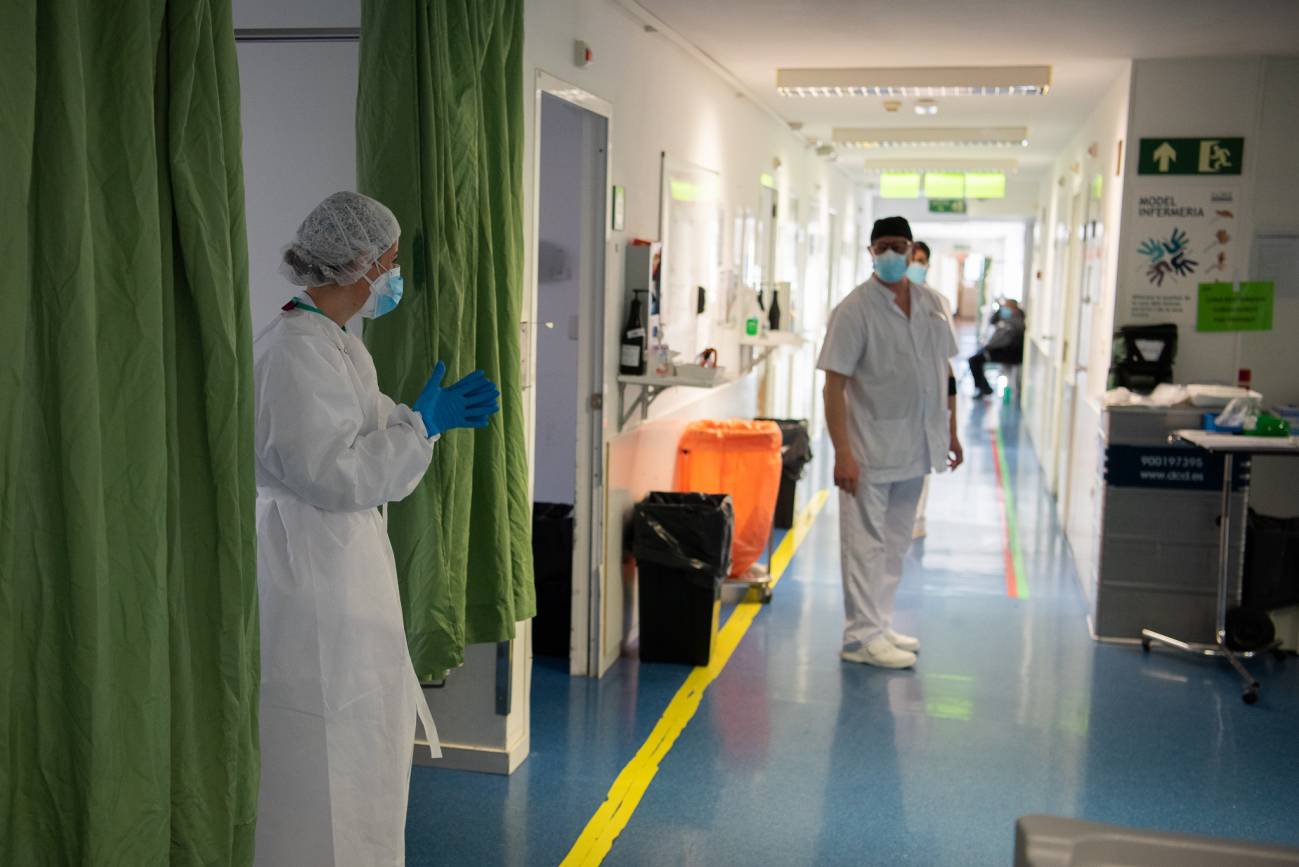
Reactions to the increase in 'Streptococcus pyogenes' infections in the UK and the situation in Spain

In recent weeks, the UK Health Safety Agency has detected an unusual increase in infections with Streptococcus pyogenes bacteria. At least 13 children under the age of 15 have died from this pathogen, which is responsible for mild infections but also for more serious conditions such as invasive disease. The Spanish Society of Paediatric Infectious Diseases has reported that there have been some deaths in Spain - the Community of Madrid has reported two deaths - and is analysing whether there has been an unusual increase in cases. 
 

0

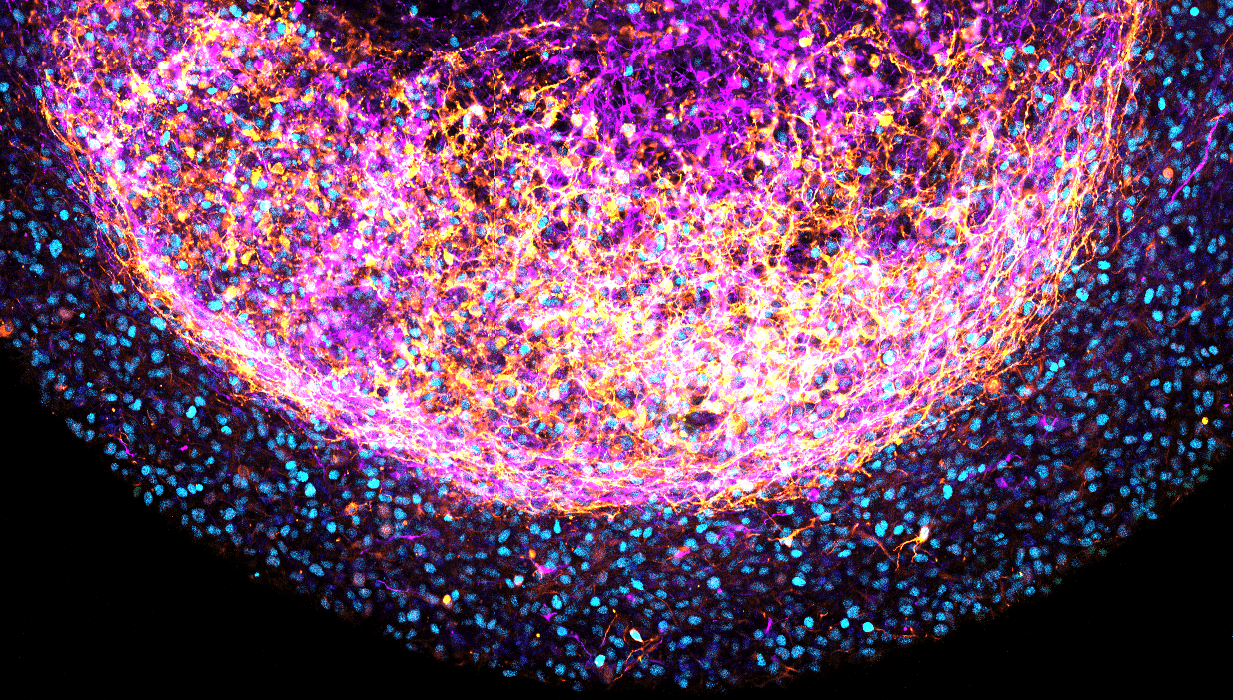
The rise of 'Streptococcus pyogenes' cases in the UK: can it happen in Spain?

The UK Health Safety Agency (UKHSA) has detected an unusual increase in Streptococcus pyogenes infections in the last month. This bacterium is responsible for mild infections, but also for more serious conditions such as scarlet fever and, above all, invasive disease. The British authorities have raised the alarm after at least eight children died from this pathogen. In Spain, the Spanish Society of Paediatric Infectious Diseases has reported that there have also been some deaths and is analysing whether there has been an unusual increase in cases.

0

Reaction: Iberian owl-shaped figurines may have been created by children as toys 5,000 years ago

Some 4,000 engraved slate plaques resembling owls have been found in tombs and graves on the Iberian Peninsula dating back to the Copper Age. It has been speculated that they may have had a ritual significance. Spanish scientists have analysed 100 of these plaques and propose, in an article published in Scientific Reports, that they may have been carved by children for play.

0

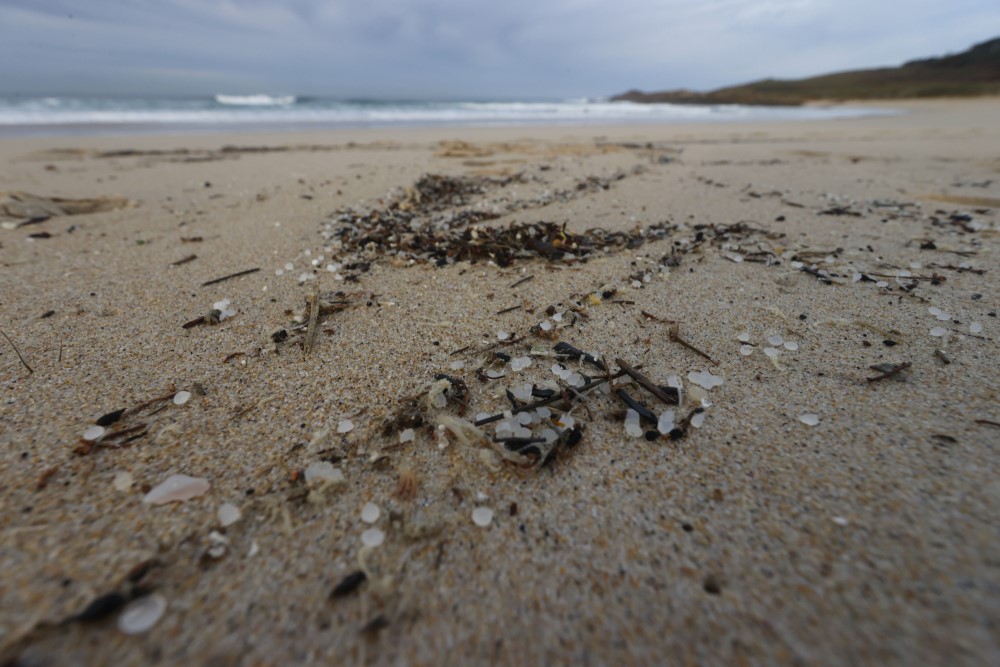
Reaction: Bacteria colonise Mediterranean microfibres, including a species that causes food poisoning

A study published in PLOS ONE reveals that more than 2,600 bacteria live on average on each floating microfibre in the Mediterranean Sea, belonging to 195 bacterial species. This waste from plastic pollution, textiles and fishing activities, once colonised, smells like food and is consumed by marine animals. Among them, pathogenic Vibrio species have been found, a bacterium that can be a threat to bathing and seafood consumption.

0