Press Offices

Press Offices

SMC Spain amplifies the voices of experts on current topics that provoke controversy. 

¿Qué me ofrece?

The sources that collaborate with SMC Spain will multiply their national and international media impact. Register your office to become part of a directory on this website that journalists can consult. Our guides on communication and science can help you in your daily work.

Icono
Cómo trabajamos

We will rely on you when we contact sources from your organization or when we organize briefing sessions with them. We will provide you with support resources to facilitate your work. You can learn more about our method here

Título qué me ofrece
What We Offer You
Título cómo trabajamos
How We Work

The future of road transport is electric, but it should be eclectic

Last week, the European Parliament approved a ban on the sale of vehicles with emissions of more than 0 grams of CO2 per kilometre from 2035 in Europe. In addition, they also voted against an amendment that would allow car manufacturers to buy credits for so-called synthetic fuels. Is this the right measure to accelerate the decarbonisation of the transport sector?

1

Reaction to research revealing that infant microbiome development varies according to lifestyle

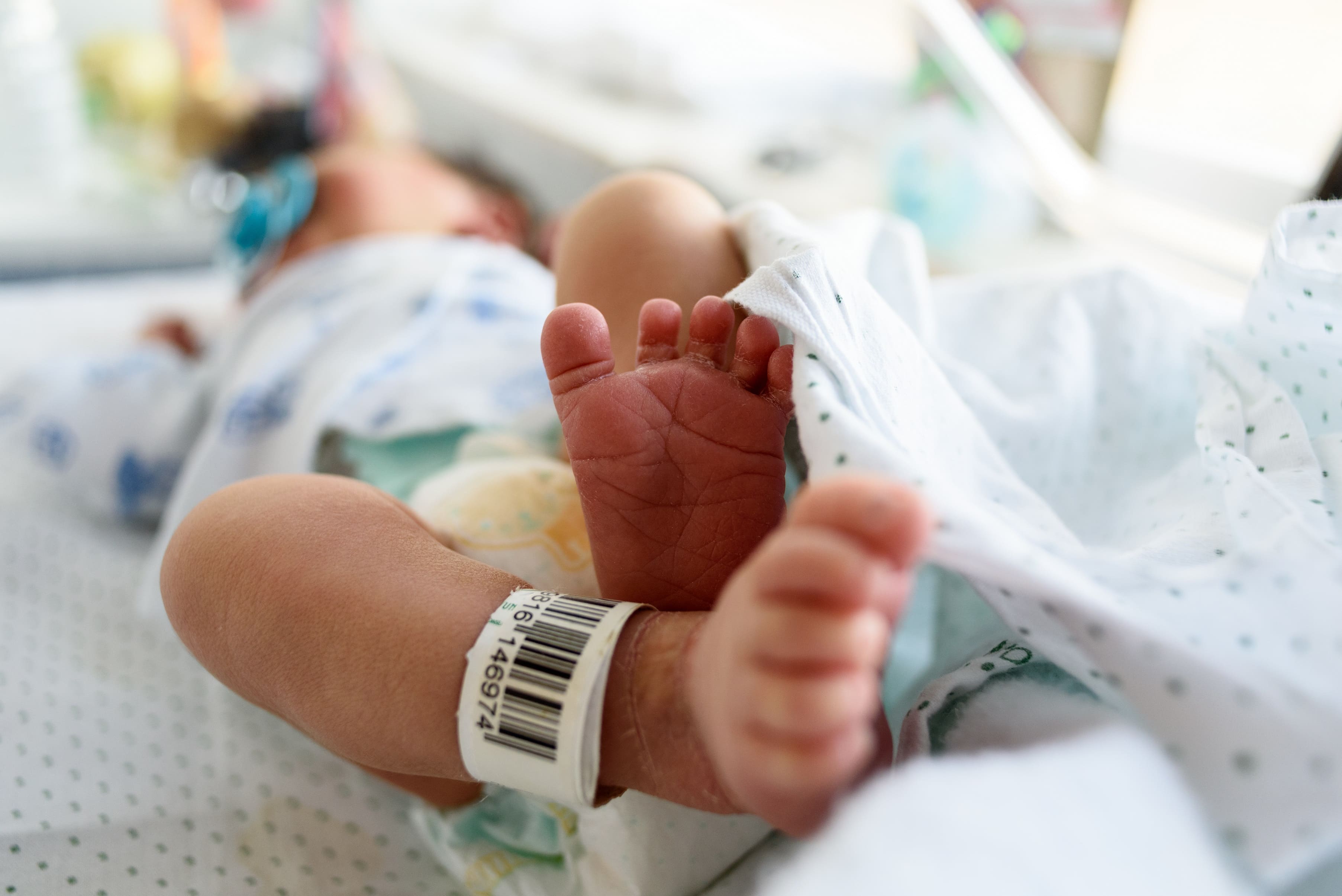
A metagenomic comparison of the infant gut microbiome of industrialised and non-industrialised populations reveals robust differences that researchers say are lifestyle-dependent. The research involved samples from infants of Hadza, a group of modern hunter-gatherers living in Tanzania, and is published in the journal Science.

Maternal stress and foetal brain development: pandemic confinement as a laboratory

During confinement, pregnant women suffered more stress than usual among pregnant women, according to a study conducted at Vall d'Hebron Hospital. A new result along the same lines also finds effects on the brain development of the foetus. But the period of neurodevelopment spans childhood and adolescence, so there are many opportunities to favourably influence this process.

1

Reaction to study concluding that glyphosate affects the thermoregulation of bumblebee colonies

Glyphosate is one of the most widely used herbicides in the world. New work published in Science reveals that it significantly impairs the ability of bumblebees to maintain the temperature of their hive, a hitherto unsuspected effect that may lead to the decline of this already endangered species, which is essential for pollination.


0

Reaction to the detection in the atmosphere of a new class of highly reactive chemical compounds: the trioxides

An international team led by researchers at the University of Copenhagen has detected a new class of extremely reactive chemical compounds in tha atmpsphere, the 'trioxides'. The challenge now is to understand the role of trioxides in climate and air quality. The result is presented in Science.


0