Reactions

Reactions

Reactions

When science hits the headlines, we seek the views of expert sources who assess the news rigorously and quickly, according to the available evidence.

Reactions to the increase in 'Streptococcus pyogenes' infections in the UK and the situation in Spain

In recent weeks, the UK Health Safety Agency has detected an unusual increase in infections with Streptococcus pyogenes bacteria. At least 13 children under the age of 15 have died from this pathogen, which is responsible for mild infections but also for more serious conditions such as invasive disease. The Spanish Society of Paediatric Infectious Diseases has reported that there have been some deaths in Spain - the Community of Madrid has reported two deaths - and is analysing whether there has been an unusual increase in cases. 
 

0

Reaction to the discovery of an active mantle plume on Mars

A study published in the journal Nature Astronomy suggests the existence of an active mantle plume on Mars - a column of material from the mantle that generates hot spots - with a diameter of about 4,000 kilometres, which would explain its geological activity. The planet was traditionally considered to be geologically inert at present.

0

Reaction: Iberian owl-shaped figurines may have been created by children as toys 5,000 years ago

Some 4,000 engraved slate plaques resembling owls have been found in tombs and graves on the Iberian Peninsula dating back to the Copper Age. It has been speculated that they may have had a ritual significance. Spanish scientists have analysed 100 of these plaques and propose, in an article published in Scientific Reports, that they may have been carved by children for play.

0

Reaction: Bacteria colonise Mediterranean microfibres, including a species that causes food poisoning

A study published in PLOS ONE reveals that more than 2,600 bacteria live on average on each floating microfibre in the Mediterranean Sea, belonging to 195 bacterial species. This waste from plastic pollution, textiles and fishing activities, once colonised, smells like food and is consumed by marine animals. Among them, pathogenic Vibrio species have been found, a bacterium that can be a threat to bathing and seafood consumption.

0

Reactions: data from Alzheimer's clinical trial with lecanemab antibody published

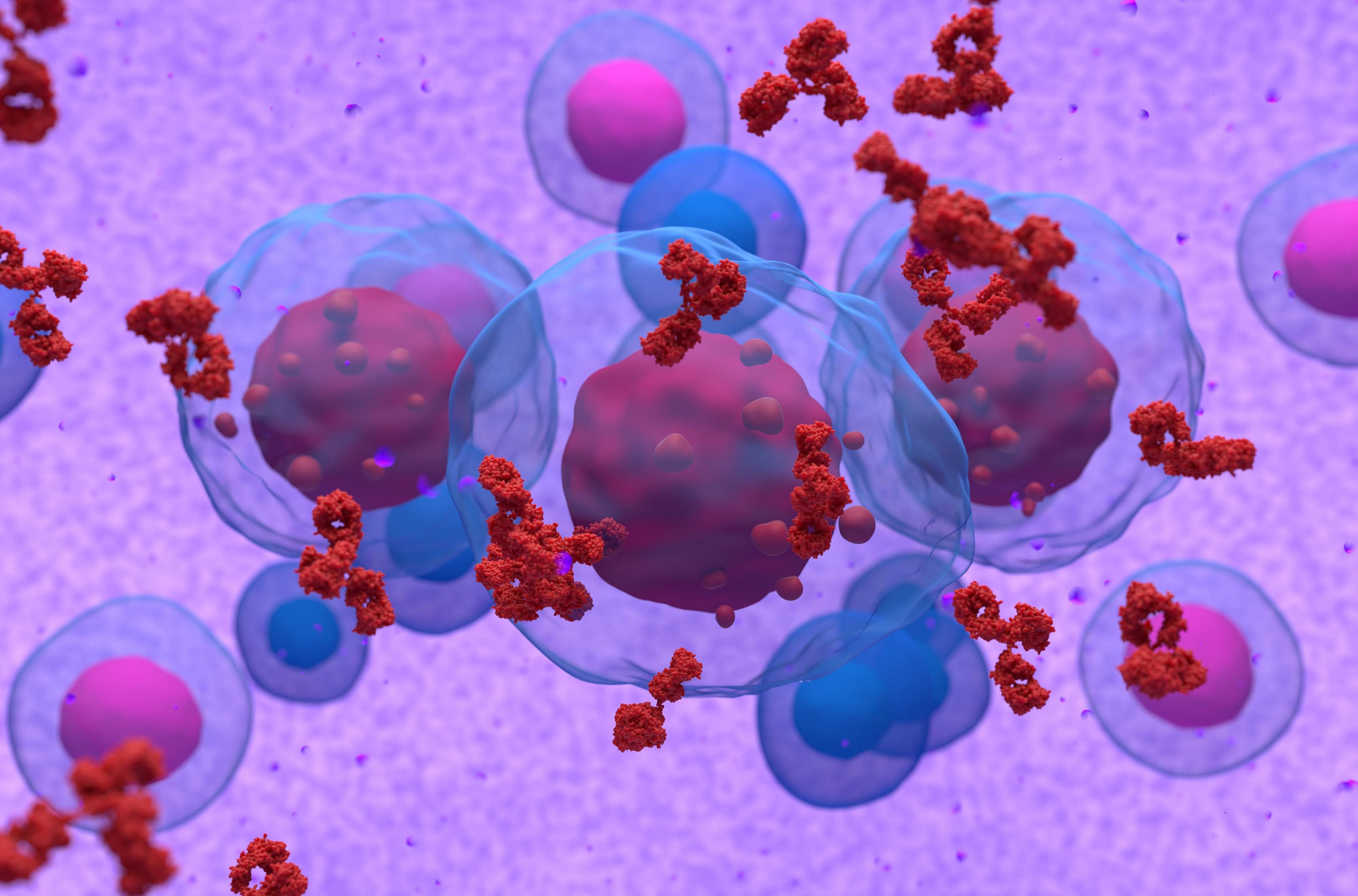
A few weeks ago, a press release from the Biogen and Eisai companies reported significant results from their lecanemab antibody for the treatment of early-stage Alzheimer's. The data from the phase 3 trial are now published in the New England Journal of Medicine, coinciding with the CTAD conference on Alzheimer's disease clinical trials in San Francisco. Data from the phase 3 clinical trial are now published in the New England Journal of Medicine, coinciding with the 15th CTAD Alzheimer's disease clinical trials conference in San Francisco.

0