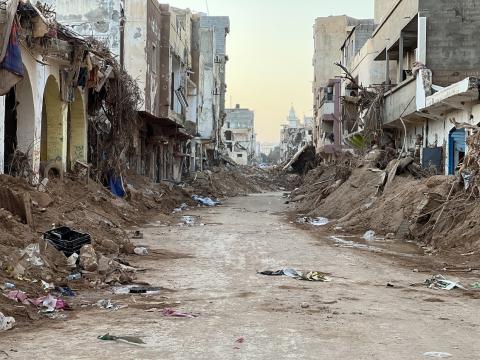
Las lluvias torrenciales caídas en Libia hace dos semanas fueron 50 veces más probables por el calentamiento global provocado por la acción humana. Algo similar ocurría con las lluvias caídas en Grecia, Bulgaria y Turquía, que fueron 10 veces más probables por el cambio climático, según concluye un estudio de atribución rápido de la Word Weather Attribution (WWA). La investigación apunta a que la tragedia en Libia se agravó por otros factores humanos, como construcciones en llanuras inundables y presas en mal estado. Los autores también analizaron las inundaciones registradas en España a principios de septiembre y concluyeron que precipitaciones tan intensas se esperan una vez cada 40 años.
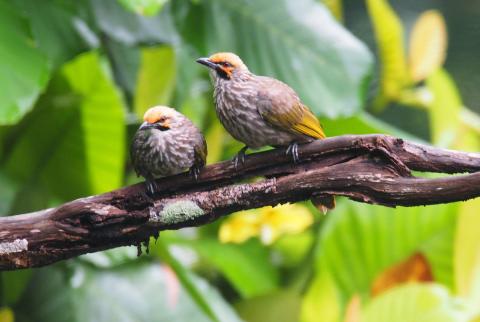
Research published in PNAS has analysed the conservation status of 5,400 terrestrial vertebrate genera, comprising 34,600 species, between the years 1500 and 2022. The authors found that 73 genera have become extinct since 1500. Birds suffered the greatest losses, with 44 extinct genera, followed by mammals, amphibians and reptiles. The results reveal that the extinction rate was 35 times higher during this period than the average extinction rate over the previous million years. According to the researchers, the genera lost in the last five centuries would have taken 18,000 years to become extinct without human impact.
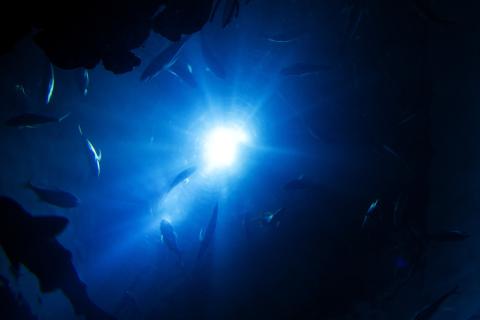
Most research has studied marine heatwaves at the sea surface. Now, a study published in Nature Climate Change analyses the effects of these phenomena at depths of up to 2,000 metres. The research, based on data from waves occurring between 1993 and 2019, shows that these waves tend to be more intense between 50 and 200 metres, and that their duration increases up to twice as much with depth compared to the surface, which has an impact on the marine fauna living in that area.
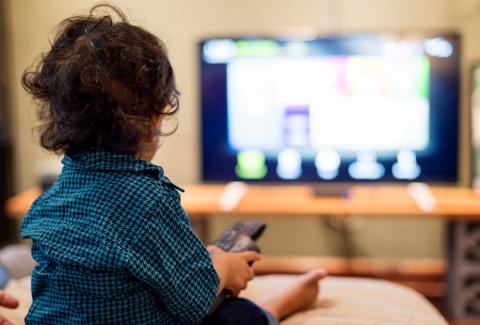
A study conducted with nearly 58,000 boys and girls revealed that increased television or DVD screen time starting from 12 months of age had a negative impact on later development, as reported by JAMA Pediatrics.
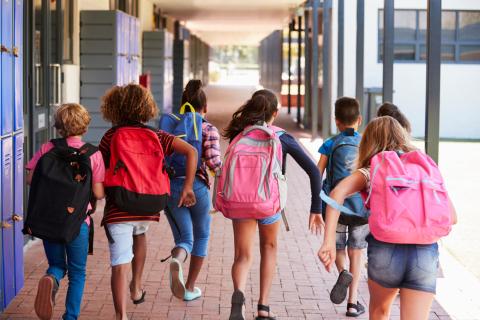
When considering which type of timetable is best, one question is: best for what and for whom? Not only does the scientific evidence on student learning and well-being come into play, but also the employment interests of teachers, the reconciliation needs of families, and the effects of each type of timetable on socio-economic inequality and the gender gap in care are also involved. We bring together more elements of the discussion in this second article.

Every school year in Spain, the debate returns about what kind of timetable schools should adopt: is it better to concentrate all teaching hours or to have a lunch break and extend the time spent at school? In this first issue, we bring together research on the effect of each type of timetable on students' performance, rest and socio-affective well-being, as well as the available data on public and charter education.
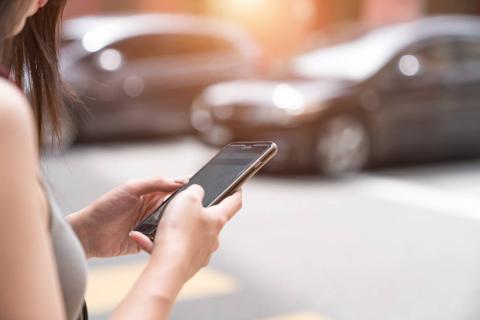
France has temporarily halted the sale of the iPhone 12 phone because it does not comply with European radiation regulations. In a press release, French regulator ANFR (the National Frequency Agency) has asked Apple to withdraw the iPhone 12 from the French market from 12 September 2023, after its tests showed that the device exceeded EU limits for a measure known as the Specific Absorption Rate (SAR). The SAR measure looks at the levels of electromagnetic radiation that could be received by the body if the phone were held in the hand or trouser pocket, and should be below 4W/kg. The ANFR says the test measured the SAR at 5.74 W/kg.

Research carried out with almost 300 participants from the United Kingdom and Malta revealed that they had more positive emotions, a willingness to help and less prejudice towards Ukrainian asylum seekers compared to Syrian or Somali refugees. According to the author, whose study is published in PLOS ONE, this is explained because “the perceived threat and negative emotions led to greater prejudice, which in turn led to a lower predisposition toward help.”
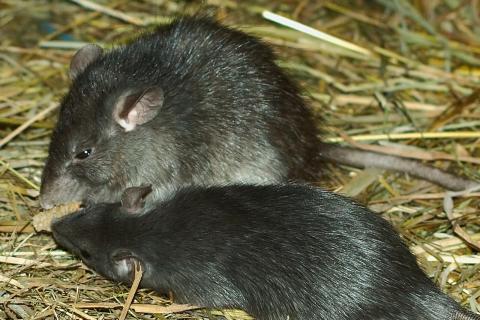
Invasive species cause great damage to ecosystems, the economy and human health, but their impacts are underestimated. These are the main conclusions of a report published by the Intergovernmental Science-Policy Platform on Biological Diversity and Ecosystem Services (IPBES). Three researchers who participated in the document explained their results in an informative session organized by the Science Media Center Spain.
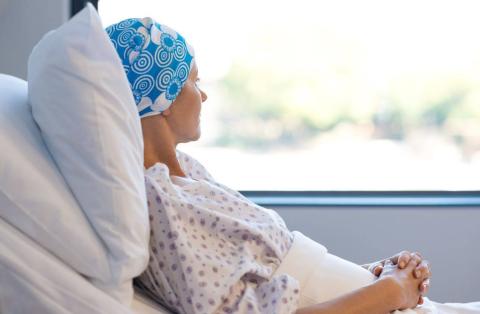
A standard chemotherapy drug injures surrounding noncancerous cells, which can awaken dormant cancer cells and promote cancer growth, according to a study published today in the journal PLOS Biology.