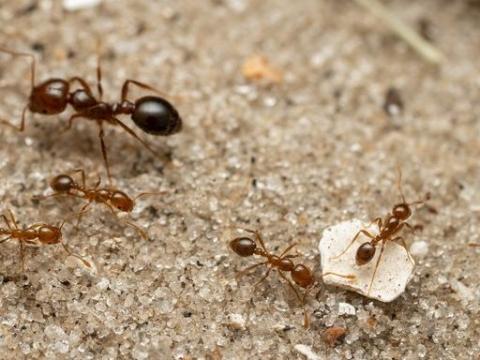
One of the world's most invasive species is Solenopsis invicta, an ant native to South America with a painful sting. In an article published in Current Biology, experts confirm the first official sighting of this species in Europe: 88 nests spread over five hectares near Syracuse in Sicily, Italy. The ants could soon spread across the continent, causing serious environmental, health and economic problems. The study is led by the Institute of Evolutionary Biology (IBE) of the CSIC and the UPF.
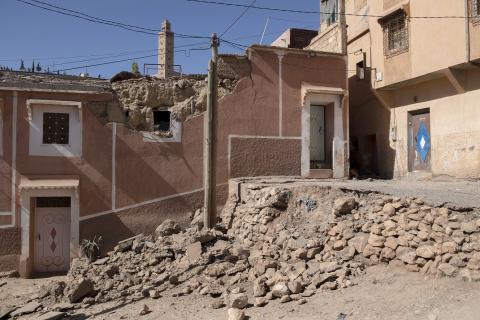
At around midnight (local time), a powerful 6.8 magnitude earthquake southwest of Marrakech, one of Morocco's main cities, shook the region, leaving hundreds dead and missing amidst completely devastated buildings and constructions.
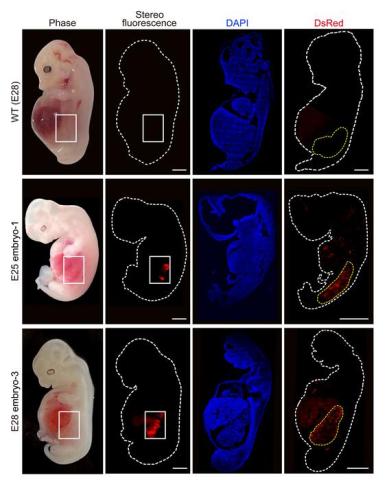
Scientists have successfully developed pig embryos whose kidneys contain 50-60% human cells. Gestation was terminated at 25-28 days, and the organ structure was normal. According to the press release accompanying the article, "this is the first time that a solid humanised organ has been grown inside another species, although previous studies have used similar methods to generate human tissues". The results are published in the journal Cell Stem Cell.
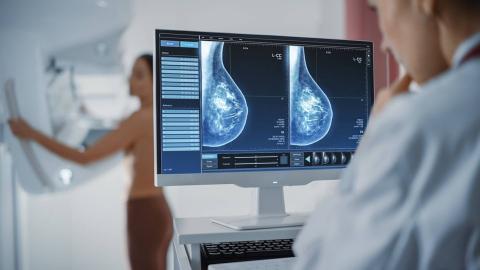
Since 1990, the incidence and deaths from early-onset cancers in teenagers and young adults have substantially increased worldwide. These are the main findings of a study published today in the BMJ Oncology journal.

A review published in the journal Cell highlights the "urgent need" for more studies on the menopause - and at an international level, so that the results can be applied to all countries. The article, published by a research team in Australia, the US and Italy, summarises the available evidence on the biology of the menopause, its consequences for women and therapeutic options. It highlights the lack of studies in certain areas, for example on the efficacy of non-oral oestradiol, or on the efficacy and safety of hormone therapies during the perimenopause.
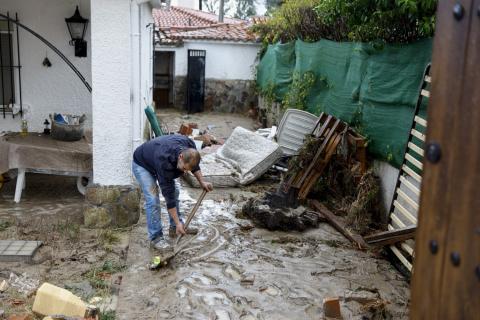
Meteorological models have improved significantly in recent decades, but they will never be one hundred percent accurate. Knowing how to communicate uncertainty and not fueling citizens' mistrust in the reliability of predictions is important to avoid sowing doubts about alert systems for upcoming emergencies, such as the DANA that affected Spain in recent days.
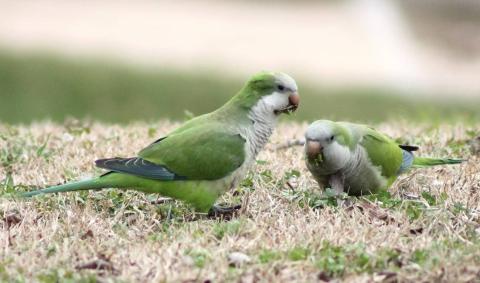
According to a new report from the Intergovernmental Science-Policy Platform on Biodiversity and Ecosystem Services (IPBES), human activities have introduced over 37,000 exotic species to regions around the world. The document highlights that more than 3,500 of these are harmful invasive exotic species that are often overlooked until it's too late.
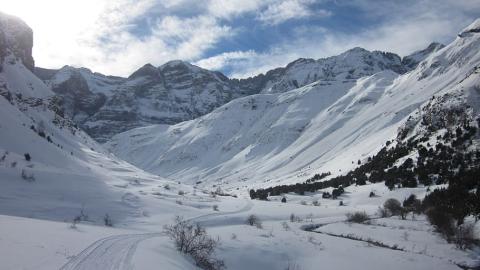
The projection of a 2 °C rise in temperatures due to climate change would put 53 % of ski resorts in Europe, including Spanish resorts, at serious risk due to lack of snow. The percentage would rise to 98 % if the increase were 4 °C, according to the conclusions of a study published in the journal Nature Climate Change. The use of artificial snow on 50 % of a resort's surface would reduce the percentage of resorts at risk by approximately 25 %, although it would increase energy expenditure and carbon emissions.

A research team in Belgium found perfluoroalkylated and polyfluoroalkylated substances (PFAS) in drinking straws. The research, published in the journal Food Additives & Contaminants, analysed the presence of these persistent and potentially harmful compounds in 39 types of straws purchased from different shops, supermarkets or fast food chains. These substances were most prevalent in paper and bamboo straws, followed by plastic and glass straws. They were not detected in stainless steel straws.
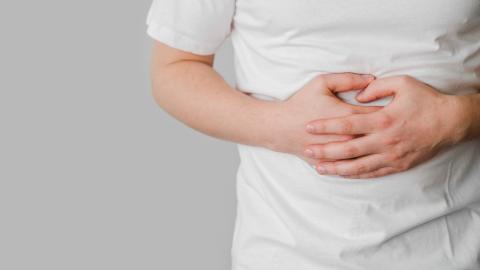
Certain intestinal issues, such as constipation, difficulty swallowing, and irritable bowel syndrome, could be early warning signs of Parkinson's disease, according to a study published in the journal Gut. The study compared tens of thousands of patients from a network of medical records in the United States.