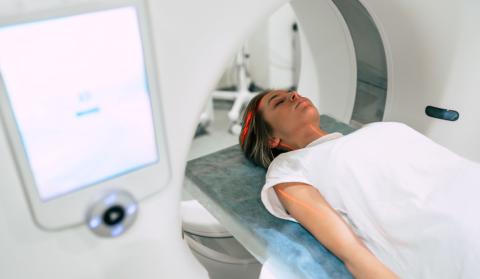
The miscarriage rate is higher in women who have had a computed tomography scan before pregnancy than in those who have not been exposed before conception, according to a study published in the Annals of Internal Medicine. The research includes data on more than five million pregnant women in Canada between 1992 and 2023. According to the study, the miscarriage rate increases with the number of scans: from 117 miscarriages per 1,000 pregnancies in women who have had a single test, to 142 in those who have had three or more – compared with 101 miscarriages per 1,000 pregnancies in women who have not had a previous scan.
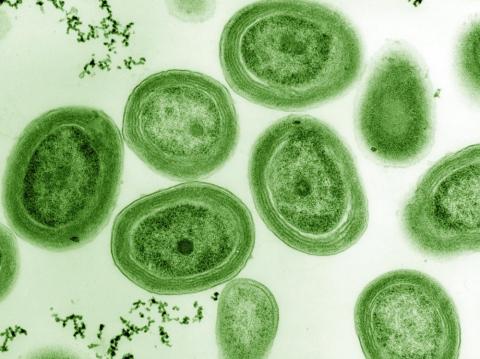
The cyanobacterium Prochlorococcus, the smallest and most abundant photosynthetic organism on Earth, is an important producer of oxygen and is crucial to marine ecosystems. A team from the United States has collected data from ships sailing the Pacific Ocean over a ten-year period and concluded that these cyanobacteria could experience population declines of between 17% and 51% in tropical oceans by the year 2100, depending on the warming scenario. The results, which are the product of modeling work, are published in the journal Nature Microbiology and indicate that this microorganism is more vulnerable to climate change than previously thought.
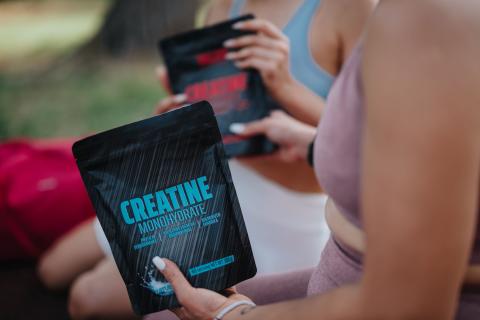
The use of creatine among athletes is not new, although its consumption has become popular on social media. We answer questions about this compound with the help of experts in nutrition, sports and dietetics.

The Planetary Health Diet promotes environmentally sustainable consumption, based, among other things, on increasing vegetable intake and reducing dairy and red meat consumption. Previous studies had found an association with better human health, although there were some conflicting results. Now, a study combining two cohorts of more than 150,000 people and a meta-analysis of 37 studies involving more than three million volunteers reinforces this association, finding that greater adherence to the diet is associated with lower all-cause mortality. The results are published in the journal Science Advances.

Climate change has made the hot, dry and windy weather conditions that spread fires across the Iberian Peninsula 40 times more frequent and 30% more intense than in the pre-industrial climate, according to a rapid study by World Weather Attribution. The ten-day heatwave was also 200 times more likely and 3°C hotter due to climate change. The study, which analysed weather observations rather than climate models, warns that fires in Europe are overwhelming firefighting resources and highlights the importance of controlling vegetation in affected areas.
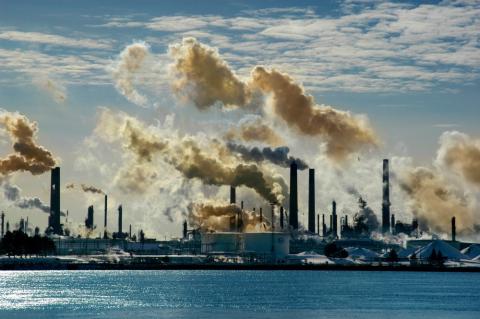
The planet's capacity to store carbon emissions in geological formations is 1,460 gigatons, according to a study published in the journal Nature. This ceiling is likely to be reached by 2200 under current global warming mitigation scenarios, so, according to the authors, countries should reconsider the role of carbon storage in their plans to reduce emissions.
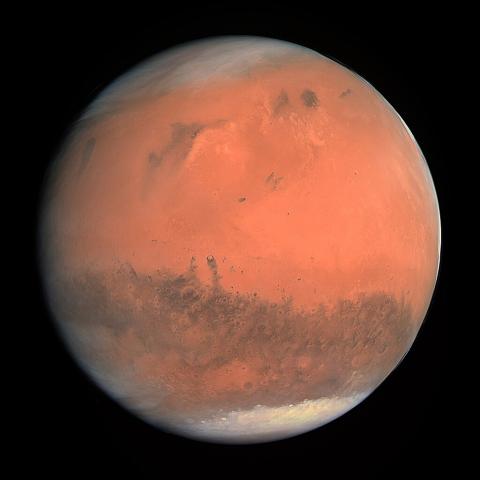
Previous studies had confirmed the presence of liquid in Mars' core. However, there was conflicting information about the possible existence of a solid component. Now, data from NASA's InSight mission show that there is indeed a solid component in the planet's core, whose radius is estimated at about 600 kilometers. The data, published in the journal Nature, may increase our understanding of the formation and evolution of Mars, as well as its potential habitability.
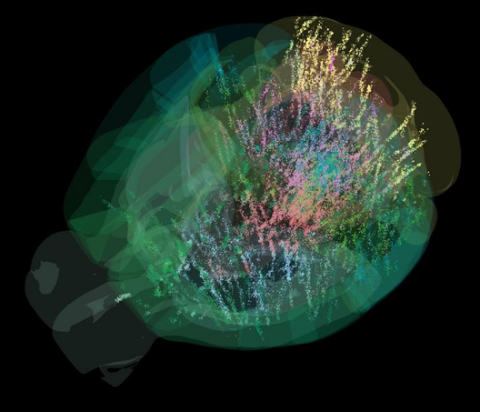
A team of neuroscientists from the International Brain Laboratory has described for the first time a virtually complete map of brain activity in mice during the decision-making process. To do so, they recorded the activity of more than half a million neurons across 12 different laboratories, representing 95% of brain volume. The map contradicts a hierarchical view of information processing and shows that decision-making is distributed in a coordinated manner across multiple brain areas. The results are published in two articles simultaneously in the journal Nature.
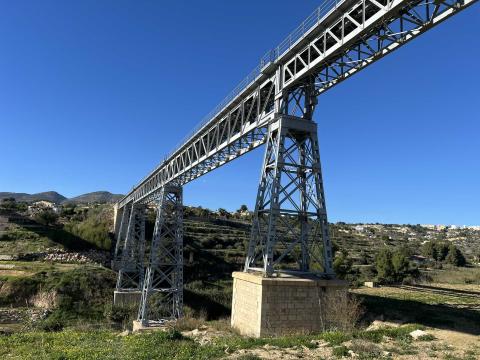
The twisting and bending of a steel girder bridge after a serious accident can, under certain conditions, prevent the structure from collapsing. This has been demonstrated by a team from the Polytechnic University of Valencia and the University of Vigo. Using a scale model of a steel girder railway bridge and simulations, the engineers explored the structures' response to typical damage scenarios, in which a key component is cut to simulate its failure. "These findings can be used to improve current bridge design," the authors note in the study, which is published in Nature.

A man's exposure to second-hand smoke during childhood may increase his children's risk of developing chronic obstructive pulmonary disease (COPD), which includes chronic bronchitis and emphysema, according to research published in the journal Thorax. Although this is an observational study from which no firm conclusions about causality can be drawn, the authors believe that their findings could be due, at least in part, to a type of epigenetic inheritance and ‘suggest that smoking may adversely affect lung function not only in smokers, but also in their children and grandchildren.’