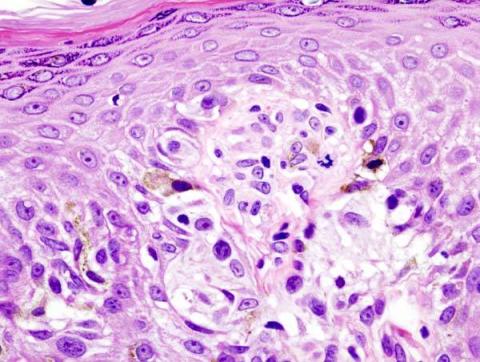
Over the past 20 years, a class of cancer drugs known as CD40 agonist antibodies has shown great potential, but also limited impact in patients and adverse reactions. In 2018, it was demonstrated that they could be improved to boost their effectiveness and limit serious side effects. A study published in Cancer Cell reports the results of using one of these drugs in a small phase 1 clinical trial: out of 12 patients, all with different types of metastatic cancer, six saw their tumors shrink, including two in whom they disappeared completely.
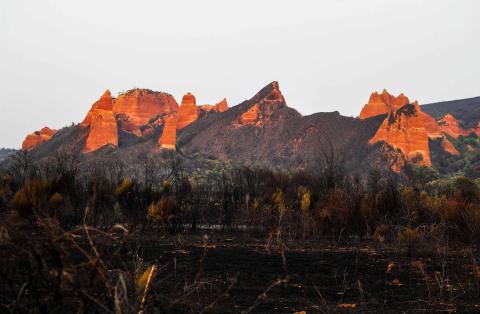
The fire in Yeres (León) has burned the Las Médulas natural area, included in UNESCO's World Heritage List since 1997. Yesterday, the president of the Regional Government of Castile and León, Alfonso Fernández Mañueco, announced a specific plan for the recovery and improvement of this area. At a press conference, he assured that all the vegetation cover in the area will be restored and a forest restoration plan will be carried out.

Analysis of data from a mobile health app covering more than 5,000 people in 1,609 cities in the United States reveals that moving from a less walkable area to a more walkable area leads to an increase in the number of steps taken per day, and vice versa. Walkability was measured using the Walk Score, an index based on parameters such as proximity to services, block length and intersection density. According to the authors, the results can serve as a guide for urban design policies that improve public health. The study is published in Nature.
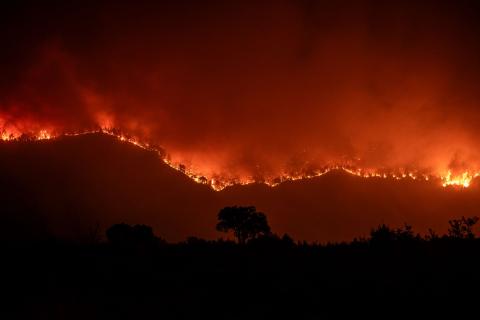
Four people have died in the fires that began last weekend on the Iberian Peninsula and have spread to different areas of Galicia, Castile and León, Andalusia, Castile-La Mancha, Extremadura and Madrid. The heatwave that continues to grip the country, strong gusts of wind and their changing direction, and the thermal drought are hampering firefighting efforts. The government declared on Tuesday a pre-emergency phase and thousands of people have had to be evacuated.
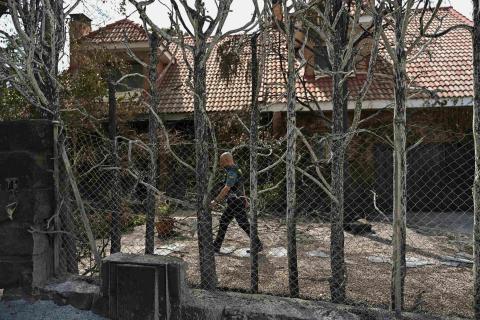
Extreme wildfires are becoming more frequent and causing greater environmental and social impact. Current policies that prioritise fire suppression have not only failed to prevent this situation from arising, but actually made it worse. The report Changing Wildfires - Policy Options for a Fire-literate and Fire-adapted Europe, released by the European Academies' Science Advisory Council (EASAC), addresses this issue by outlining eight policy options. The report's key recommendations focus on putting landscape management first —by regulating biomass structure and land use — and empowering local communities.

The introduction of artificial intelligence (AI) to assist in performing colonoscopies is associated with a reduction in the ability of healthcare professionals to detect precancerous growths (adenomas) in the colon without the aid of AI, according to an article published in The Lancet Gastroenterology & Hepatology.
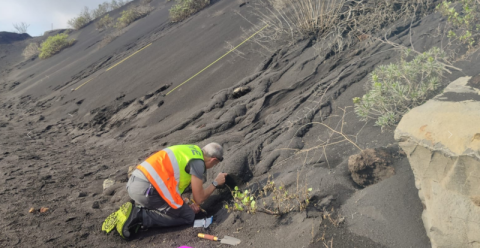
In 2021, the eruption of the Tajogaite volcano on the Canary Island of La Palma caused the loss of 53,000 tonnes of bananas, equivalent to 50% of its production, which is essential to the local economy. Given the potential risk of contamination from ash and magma, a team of researchers from Spanish centres analysed the composition of bananas in the area of the eruption. The study, conducted using mass spectrometry and published in PLOS One, confirms that they are safe and healthy to eat. For most potentially toxic elements, the estimated maximum intake remained below 1% of the tolerable daily intake (TDI) and in no case exceeded 3% of the TDI.
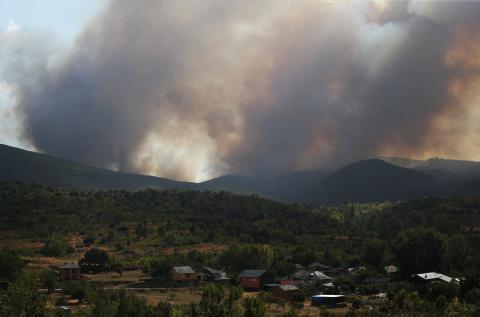
Several areas in the region of El Bierzo in León and the province of Zamora have seen numerous forest fires in recent hours, forcing more than a thousand people from different municipalities to evacuate. One person has died. The flames have affected the Las Médulas natural area, listed by UNESCO as a World Heritage Site. Another fire in Tarifa (Cádiz) has forced the evacuation of hundreds of people, and also in Tres Cantos (Madrid), where one person died. In addition, there are active outbreaks in several areas of Galicia. The government declares a pre-emergency phase.
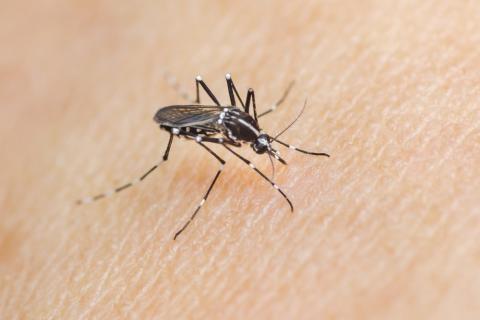
Cases of dengue and chikungunya in continental Europe increased in 2025, the European Centre for Disease Control (ECDC) warns. This article sums up the main issues and addresses possible ways to curb transmission.

Eating three servings of French fries per week is associated with a 20% increase in the risk of developing type 2 diabetes, but eating similar amounts of potatoes cooked in other ways (boiled, baked, or mashed) does not substantially increase the risk, according to a study published in BMJ. The study, which analyzed the diets of more than 205,000 adults over decades, showed that replacing any form of potato with whole grains was associated with a lower risk of type 2 diabetes.