In Spain, immigrant employees earn 29% less than other workers, according to a study published in Nature. This gap is comparable to that observed in Canada, but greater than that of other European countries in the study, such as Germany, Norway and France (19-20%), and much higher than the gap observed in the United States (10%) and Sweden (7%). ‘The segregation of immigrant workers into lower-paid jobs accounts for approximately three-quarters of the overall wage differences between immigrants and natives,’ the study states.
Childhood vaccination rates have increased modestly worldwide in 2024, without reaching their pre-COVID-19 pandemic levels, according to data from the WHO and UNICEF. For example, global measles vaccination coverage rose by one percentage point from the previous year, reaching 84% of girls and boys who had received one dose in 2024, compared to 86% in 2019.

An international team has analysed data from more than 160,000 people in 40 different countries, including Spain, to study differences in the speed of ageing between regions and the factors responsible. According to the results, European countries show healthier ageing, while low-income countries are associated with accelerated ageing. Protective factors include physical factors such as air quality; social factors such as socioeconomic and gender equality; and sociopolitical factors such as freedom of political parties and democratic elections. The study is published in the journal Nature Medicine.

A team in the United States has analysed how exposure to environmental chemicals in previous generations influences the onset of the first menstruation. The researchers used data from the California Child Health and Development Study (CHDS) and analysed blood samples taken from 250 pairs from the 1960s. The results, presented at the annual meeting of the Endocrine Society in San Francisco (USA), show that although the average age of first menstruation remained stable between grandmothers and their daughters, it decreased by one year between daughters and granddaughters. Certain chemicals present in the blood of the mother and father were linked to the onset of puberty in their descendants, with stronger effects in granddaughters, according to the study, and with greater weight of male exposure.
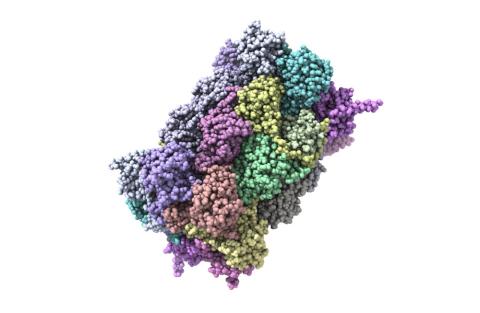
Alzheimer's disease, the most common form of dementia, is linked to the presence of tau protein deposits and amyloid plaques in the brain. Now, a team at Johns Hopkins University (USA) has identified more than 200 misfolded proteins in rat brains that are associated with age-related cognitive decline. Although the study does not allow us to know whether they play a causal role, the authors claim that amyloid plaques ‘are just the tip of the iceberg.’ The results are published in the journal Science Advances.

The last few weeks have been marked by devastating fires in Spain and other European countries. In Catalonia, just days after a fire killed two people and burned 5,500 hectares in the province of Lleida, another fire broke out in the province of Tarragona, affecting more than 3,200 hectares and now stabilised, which resulted in another person's death. What are the characteristics of these large fires? How can we prevent them? The Science Media Centre Spain organised an informative meeting with two experts to answer these questions and clarify key concepts.
Most research on the presence of plastics in the seas has focused on macro- and microplastics. Now, an international team has analyzed the presence of nanoplastics - smaller in size - in different locations and depths of the North Atlantic Ocean, including areas near the European coasts. The results suggest that these may account for the majority fraction of the total mass of plastic in the oceans and that the total mass of marine plastic may be greater than previously thought. The work is published in the journal Nature.

An international team has studied dominance relationships between the sexes in 253 populations of 121 different primate species. The data collected indicate that clear dominance by one sex or the other is rare, despite the fact that it was long believed that males dominated females socially in most of them. According to the press release accompanying the paper, the work “challenges traditional views on the natural origins of gender roles.” The results are published in the journal PNAS.
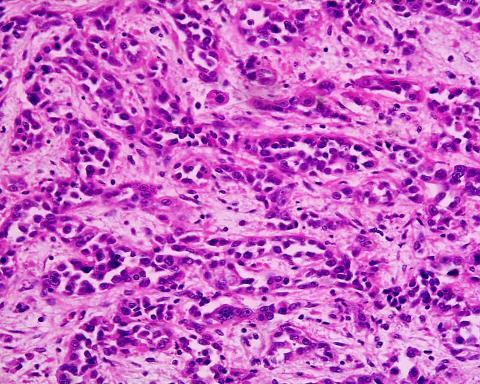
Research estimates that 15.6 million people born between 2008 and 2017 worldwide will develop gastric cancer at some point in their lives if current trends continue. In Spain, there would be 58,641 cases, or 1.24% of people in this age group. The team used data on gastric cancer from 185 countries in 2022 combined with mortality projections based on United Nations demographic data. The estimates, published in the journal Nature Medicine, show that 76% of cases could be attributed to Helicobacter pylori, a common bacterium found in the stomach.
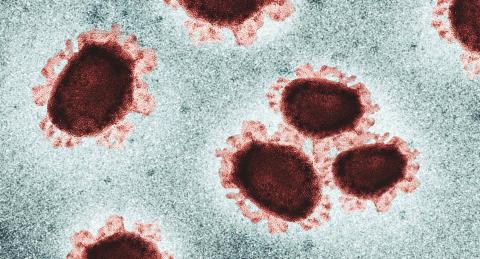
A US team has analysed the presence of beta-amyloid deposits – which are linked to Alzheimer's disease – in the post-mortem retinas of four people with covid-19 and found that they were larger than in four people without covid. In complementary experiments, the SARS-CoV-2 spike protein in retinal organoids produced an increase in deposits, while the use of a drug that blocks the virus from binding to neurons reduced their accumulation. The results are published in the journal Science Advances.