
In 2015, the human health impact of exposure to certain chemicals cost the equivalent of $1.5 trillion, says a study published in PNAS. The study estimates cases of ischaemic heart disease and stroke associated with bisphenol A (BPA) exposure; deaths of 55-64 year olds associated with di(2-ethylhexyl) phthalate (DEHP) exposure; and cognitive losses in children of mothers exposed to brominated flame retardants (PBDEs).
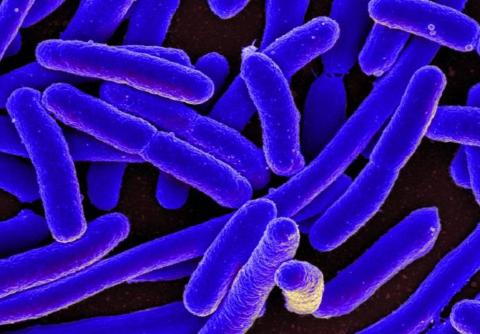
Thirty eight scientists from different specialties, including Craig Venter, a pioneer in the creation of artificial synthetic life, have written an article in the journal Science in which they assess the possibilities of synthesizing mirror organisms, but also warn of the risks they pose. This type of microorganisms, which would present a mirror structure to that currently found in nature, would have potential applications due to their resistance to biological degradation. However, they would also pose a danger because they would not be recognized by our defenses and could spread in ecosystems. Scientists call for more research and a broad debate, and warn that until more is known, this type of organism should not be created.

A team of researchers has analyzed more than 300 human genomes from the last 50,000 years and has concluded that most of the gene flow we received from Neanderthals is attributable to a single period, which probably occurred between 50,500 and 43,500 years ago. In addition, Neanderthal inheritance underwent rapid natural selection in subsequent generations, especially on the X chromosome, according to a study published in Science.

Science magazine has named lenacapavir as breakthrough of the year. Lenacapavir is an injectable drug that prevents HIV infection for six months with near 100% efficacy. The publication notes its potential to dramatically reduce infections in high-risk populations, but also reminds that global roll-out will depend on affordability, manufacturing agreements and a robust health infrastructure. Approval of the drug is expected by 2025.

A team of researchers has analyzed data from the World Health Organization to estimate the incidence of colorectal cancer in 50 countries around the world. Their conclusions, based on records up to 2017, are that in most high-income countries its incidence continues to increase in young people (under 50 years of age). This increase, however, is not observed in Spain. The results are published in the journal The Lancet Oncology.
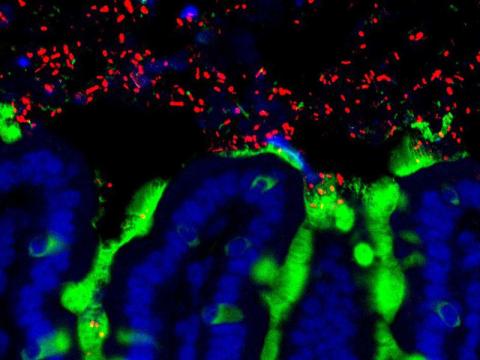
Research in mice shows that the gut microbiota of pregnant mice influences the development of stem cells in their offspring. Changes in the bacterium Akkermansia muciniphila in the maternal microbiota alter the proliferation of intestinal and neural cells in the offspring, according to the study published in Cell Stem Cell.
The report 'Experiences of researchers who interact with the media and social networks in Spain', carried out by FECYT’s Science Media Centre Spain (SMC) in collaboration with the research group Gureiker, from the University of the Basque Country, analyses data from a survey, the first of its kind in Spain, on the relationship with the media and social networks of the expert sources contacted by the SMC Spain from March 2022 to July 2024. The results show that scientists have a positive or very positive perception of their participation in the media (83.12%). However, 51.05% of respondents admit to having suffered an attack after communicating science. Women receive significantly more attacks than men: 56.86% of female scientists report attacks compared to 46.21% of male scientists. The social network X (formerly Twitter) is the most common avenue for this type of attack.

The RH5.1/Matrix-M vaccine is effective and safe against malaria, according to a phase 2b clinical trial in infants in Burkina Faso published in The Lancet Infectious Diseases. Two other vaccines are already approved against malaria, a disease caused by the Plasmodium falciparum parasite, but this one acts at a different stage of the disease: when the malaria parasite is present in the blood. The other two vaccines attack the parasite when reaches the liver.

Researchers in China have analysed data from more than 4,500 people and identified 13 proteins linked to brain ageing. In addition, changes in protein concentrations in the blood tend to peak at ages 57, 70 and 78. According to the authors, who publish the results in the journal Nature Aging, these ages may reflect transitions in human brain health at specific ages, and could therefore be important for designing possible interventions in the brain ageing process.

More than three-quarters of the earth's land surface experienced drier climates between 1990 and 2020 compared to the previous three decades, according to a new report by the United Nations Convention to Combat Desertification. Over the past 30 years, 40.6 percent of the global landmass, excluding Antarctica, is classified as drylands, three percentage points more than the previous three decades. The report, which is being presented at the COP16 on desertification being held in Riyadh, Saudi Arabia, also shows that 2.3 billion people were living in drylands in 2020, a population that could rise to 5 billion by 2100 under a worst-case climate change scenario.