
An international team has analysed temperature and mortality data from 854 urban areas in Europe, and estimated that temperature-related deaths could increase by 50 % by the end of the century - which would mean up to 2.3 million more deaths - if no climate change mitigation measures are taken. This percentage is even higher in southern parts of the continent, such as Spain. The results are published in the journal Nature Medicine.

A team of researchers from the USA has analyzed the B lymphocytes of seven healthy people in whom no exposure to H5 influenza viruses, such as the avian flu virus, had been documented. The results show that they present antibodies capable of recognizing this type of virus, which, according to the authors, could represent “a first line of defense” in the event of a pandemic. The results are published in the journal Science Immunology.
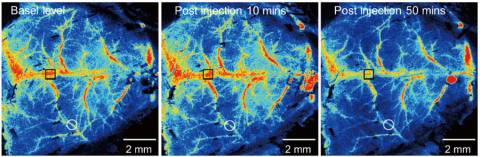
A study in mice reveals that immune cells in the brain 'engulf' microplastics, forming clumps that can cause brain clots. The findings, published in the journal Science Advances, highlight how microplastics can indirectly damage the brain by disrupting blood flow, rather than directly infiltrating brain tissue cells.

Patients receiving organ transplants often need to be treated with long-term immunosuppressants to reduce the likelihood of rejection, which has numerous side effects. An international team has shown in crab macaque monkeys that, in the case of heart transplantation, the use of these drugs could be avoided if combined with a kidney transplant from the same donor. The results are published in the journal Science Translational Medicine.
A review of 14 studies and data from more than 130 million patients has found an association between the use of drugs such as anti-inflammatory drugs, antibiotics and vaccines and a reduced risk of dementia. The authors recall that “the fact that a particular drug is associated with an altered risk of dementia does not necessarily mean that it causes or helps against it.” However, “pooling these huge health data sets provides a source of evidence that can help us decide which drugs to try first.” The research is published in the journal Alzheimer's and Dementia: Translational Research & Clinical Interventions.

As announced, the new US president, Donald Trump, has signed on his first day in office an executive order for the United States to withdraw from the Paris Agreement. This is the second time Trump has withdrawn his country from the signatory states of the most important climate change agreement, as he did in 2020.

The new US president, Donald Trump, announced on his first day that the country will leave the World Health Organisation (WHO) within the next twelve months. The reasons behind the decision, according to him, are the ‘mismanagement of the covid-19 pandemic and other global health crises’, as well as ‘disproportionate payments compared to other countries’ dues’.
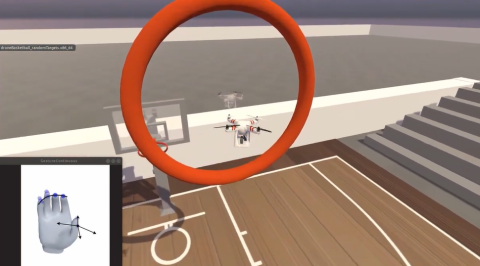
A multidisciplinary team of researchers in the United States has implanted a paralysed person with a brain-computer interface capable of detecting and decoding finger movements. The system achieved a degree of accuracy that allowed him to play a video game. The results are published in the journal Nature Medicine.
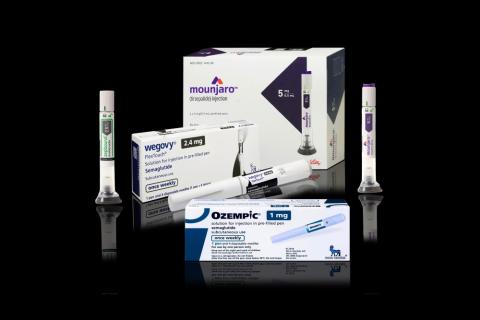
The use of glucagon-like peptide-1 receptor agonists (GLP-1RAs), used to treat diabetes and obesity, may be associated with a wide range of health effects, both positive - such as a reduced risk of cardiometabolic disorders - and negative - an increased risk of gastrointestinal conditions or hypertension. These are the conclusions of an observational study published in Nature Medicine. The findings are based on analysis of data from 2.4 million participants.
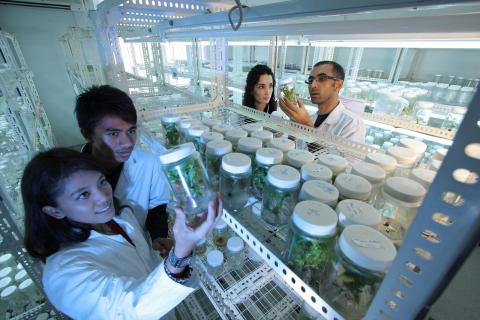
An international study on public trust in science conducted in 68 countries, including Spain, has found that most people trust scientists and believe that they should be more involved in society and in policy-making. In addition, a majority of survey participants believe that researchers should play a more active role in society and in political decision-making. The Spanish population's confidence in science ranks seventh out of the 68 countries analysed. The research, which surveyed 71,922 people, provides the largest global data set on trust in scientists since the covid-19 pandemic. The study is published in the journal Nature Human Behaviour and has Spanish participation, led by FECYT.