inequality

inequality

inequality

Although poverty has fallen in the EU over the last decade, in countries such as Spain it remains at the same level

A study published in PLOS One has analysed poverty in the European Union (EU) between 2015 and 2023. Although an overall decline has been observed, significant regional disparities have been identified amongst EU Member States. To this end, the research team carried out an analysis incorporating three main indicators: income and material deprivation, housing conditions, and the economic and digital context. Spain —along with Italy, Portugal, Lithuania and Estonia— showed a stable multidimensional poverty profile with high levels of at-risk-of-poverty, in-work poverty and housing deprivation, placing it between the most vulnerable and the most prosperous group of countries. Furthermore, between 2021 and 2023, it was among the group of countries with the second-highest rate of working people at risk of poverty.

0

Babies born in Spain will now experience twice as many extreme weather events linked to wildfires as their grandparents did

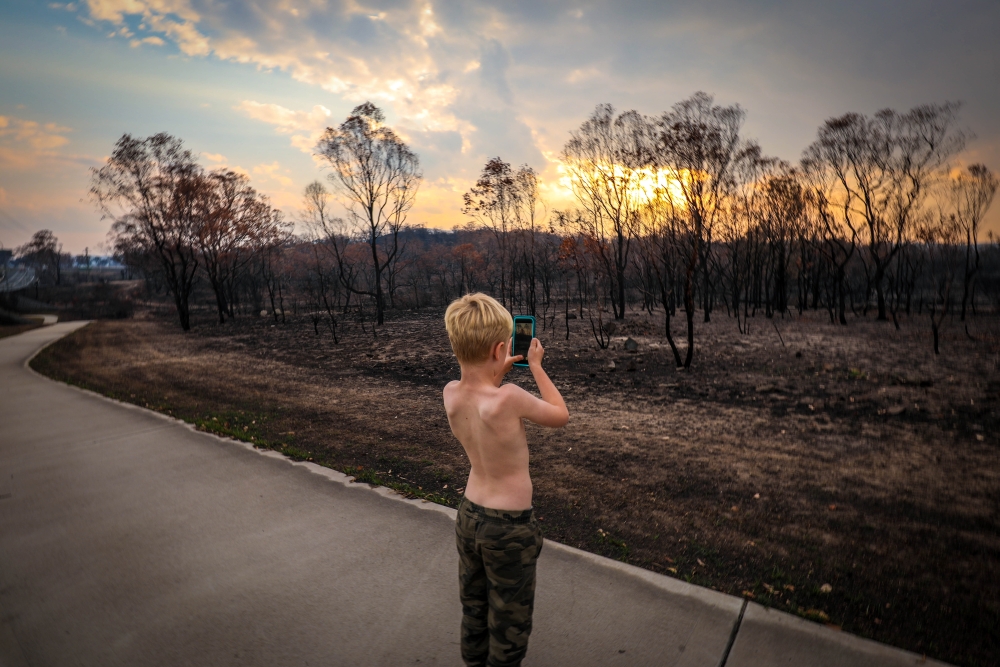
A study published in the journal Environmental Research Letters estimates that babies born in Spain in 2025 will experience 7.3 more years of extreme weather conditions conducive to wildfires. The exposure for their grandparents, born in 1950, will be half that figure: 3.7 additional years. According to the authors, the vast majority of this increase is due to climate change rather than rising life expectancy. Limiting global warming to 1.5 °C, in line with the Paris Agreement, would reduce Spanish young people’s lifetime exposure to these conditions by more than a year, compared with current policies.

0

European cities are facing ever-increasing health risks arising from climate change, but adaptation measures are not keeping pace

Cities’ adaptation to climate change is not progressing fast enough to protect their inhabitants from increasing heatwaves, infectious diseases and exposure to pollen, which are having an ever-greater impact on the urban population. This is the main conclusion of a study published in The Lancet Public Health, based on 28 indicators from more than 850 European cities, including many in Spain such as Madrid, Barcelona and Valencia. The greatest improvements were observed in cities that increased their green space. The study also suggests that risks are rising more rapidly in southern and eastern Europe.

0

Migrants in Ceuta: the double stigma of social exclusion and fear of infection

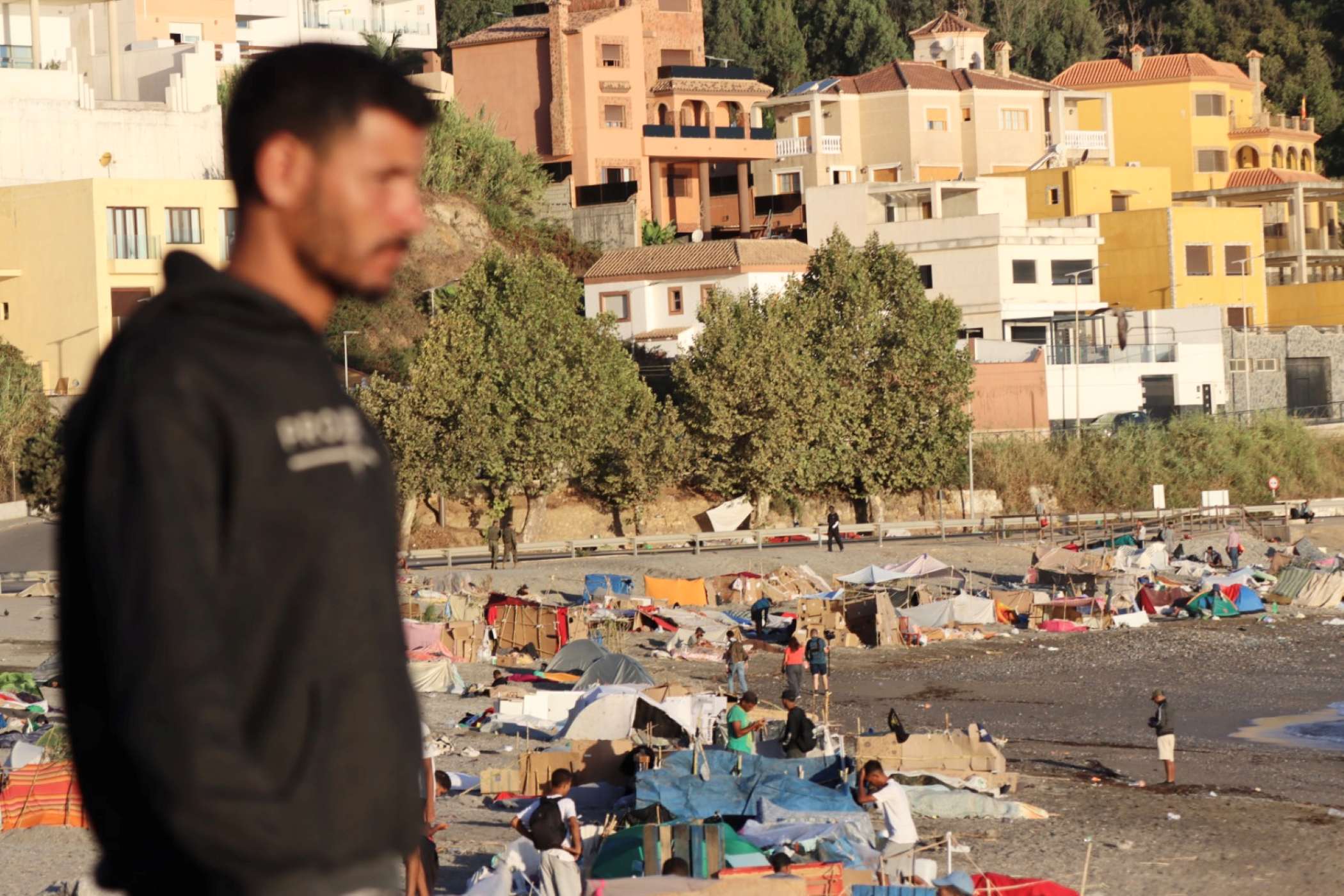
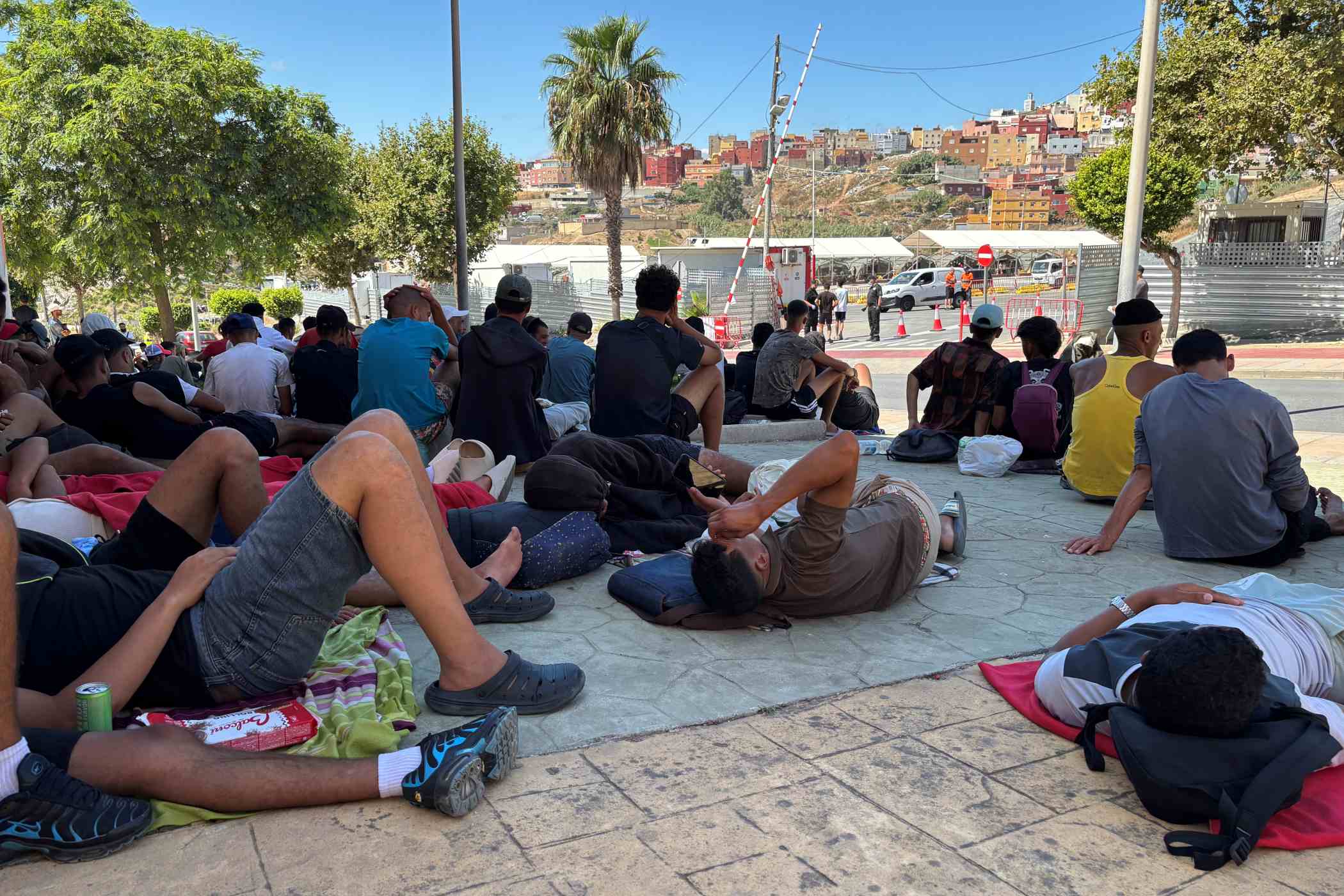
The arrival of thousands of migrants in Ceuta at the end of July has led to the emergence of messages portraying these people as a health threat. However, the scientific evidence points to exactly the opposite: those arriving in our country are, generally speaking, in good health, and it is they – not the local population – who are at greatest risk of falling ill, due to the conditions in which they are forced to live. In the face of fear and misinformation, the best defence is transparent, data-driven information.

1

Public health recommendations for the migrant population in Ceuta

Among the migrants who have been in Ceuta for several weeks, there are confirmed or suspected cases of tuberculosis, chickenpox, scabies and gastroenteritis. Specialists in public health, epidemiology and infectious diseases explain to SMC España the basic recommendations that must be followed when providing care for this population.

0

The world's top 10% spenders are responsible for environmental damage worth between $1.7 and $5.7 trillion

A team from the UK and the Netherlands has estimated the environmental cost attributed to the actions of the top 10% of spenders—generally the wealthiest—both globally and in the richest country on each continent. Globally, they are responsible for damages worth between US$1.7 trillion and US$5.7 trillion. These figures exceed the funding needed to meet the 2035 climate finance target agreed upon at COP30—US$993 billion—and to cover the funding needed to halt biodiversity loss by 2030—US$657 billion. The study is published in Communications Sustainability, a journal of the Nature group. 

0

Air Conditioning vs. Climate Change: Indispensable or Incompatible?

Air conditioning in buildings is necessary to combat the high temperatures of summers, which are becoming increasingly long and hot; however, it is not without controversy due to its energy consumption and environmental impact. Today, the WHO is presenting its new guidance on health and heat action plans, in which it acknowledges that air conditioning is problematic, while also emphasizing the need for vulnerable populations to have access to these systems. In a recent briefing organized by SMC Spain, we analyzed its role in the fight against global warming.

0

A study examines public attitudes towards different groups of migrants

Society prefers immigrants who are women, young, highly educated and in skilled employment – even though there is greater demand in the labour market for low-skilled workers – according to a meta-analysis that brings together data on more than 140,000 people from 36 countries. Respondents also expressed a preference for immigrants who do not come from Muslim countries and who migrate to escape violent situations rather than for economic reasons, according to the article published in Science Advances.


0

Obesity has slowed in high-income countries since the 1990s, and in Spain it has stabilised

A global analysis of data from more than 232 million people shows that the rise in obesity has slowed or stabilised in some high-income countries since the 1990s among children and adolescents, and, a decade later, among adults. In Spain, this stabilisation or even a slight decline is also observed. In most low- and middle-income regions, the prevalence of obesity continues to increase and, in some cases, has already surpassed that of more developed economies. The study, published in Nature, included 4,050 studies covering the period from 1980 to 2024 across 200 countries.

0