inequality

inequality

inequality

Global mortality rates are declining, but are rising among young people in some regions
According to the Global Burden of Disease study, and despite deep inequalities between countries, global life expectancy in 2023 was more than 20 years higher than in 1950. However, deaths among young people increased in some regions such as North America, Latin America—due mainly to suicide and drug use—and sub-Saharan Africa—mainly due to infectious diseases and injuries. Researchers also estimate that almost half of all deaths and disabilities could be prevented by modifying some of the main risk factors. The results are published in The Lancet and will be presented at the World Health Summit, being held in Berlin, Germany, from October 12 to 14.

0

Online images and texts portray women as less experienced than men across all occupations

On the internet, professional women are represented as younger—and therefore less experienced—than their male counterparts, even though this age difference does not correspond to actual data in the US, according to an article published in Nature. This study of gender and age stereotypes is based on an analysis of 1.4 million images on five platforms (Google, Wikipedia, IMDb, Flickr and YouTube), as well as nine large language models, such as ChatGPT, trained with texts from Reddit, Google News, Wikipedia and Twitter. 

0

The temporary nature of teaching staff in Spain remains above the OECD average

The temporary employment rate for teaching staff in Spain is 31%, above the OECD average of 19% and the EU average of 17%. This is one of the results of the latest edition of TALIS, the Teaching and Learning International Study, promoted by the OECD and involving more than 50 participating countries. In its previous edition, in 2018, 33% of Spanish teachers had temporary contracts. The study also shows that teacher job satisfaction is among the highest, at 95%—compared to 89% in the OECD and 90% in the EU. As a new feature, TALIS analyzes four new areas: the impact of artificial intelligence on learning and teaching, managing diversity in the classroom, socio-emotional learning, and education for sustainability.

0

Cancer mortality will increase by 75% worldwide by 2050, according to a study

An international team has analysed cancer incidence and mortality worldwide using data available since 1990. Between then and 2023, there was an increase of almost 75% in deaths from this cause, with more than 40% of all deaths associated with preventable risk factors. Estimates indicate that by 2050 there will be a similar increase in mortality, due in part to the ageing of the population. The increase will be particularly pronounced in low- and middle-income countries. The results are published in The Lancet.

0

Specialists urge medical community to recognize type 5 diabetes as a separate disease

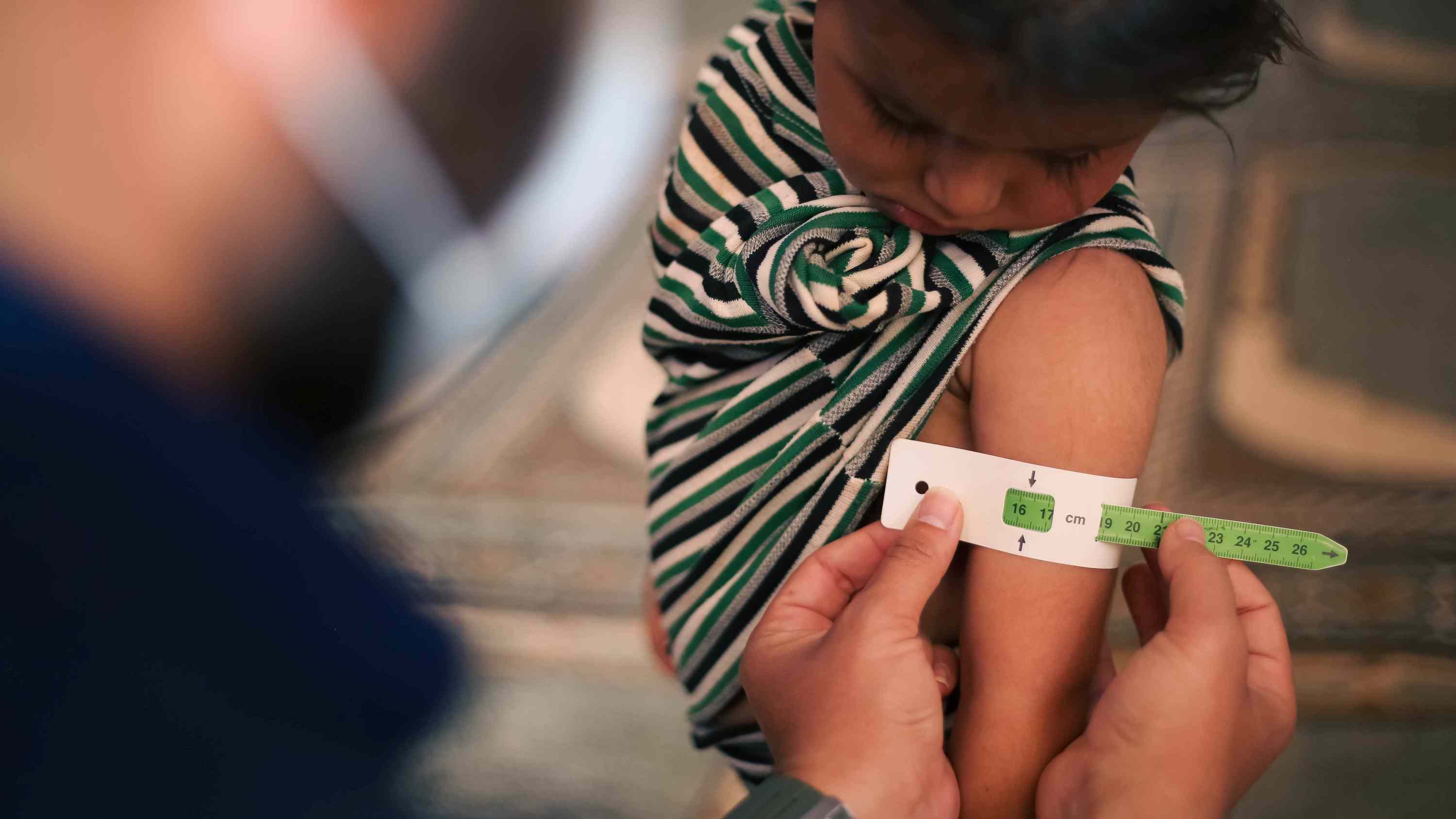
In an analysis published by The Lancet Global Health, a panel of specialists urges the medical community to recognize type 5 diabetes as a disease distinct from other types of diabetes. This form of the disease —first described in 1955 and whose name “type 5” was recognized by the International Diabetes Federation in April 2025— affects 25 million people with a low body mass index, mainly in low- and middle-income countries, according to the authors' estimates. People with type 5 diabetes do not produce enough insulin, but their bodies process insulin normally. In addition, they do not usually suffer from ketoacidosis —an acute metabolic complication of diabetes— and their immune systems do not attack the pancreas. 

0

Women remain underrepresented in clinical trials for cardiovascular diseases

An international team has analysed gender representation in more than 1,000 clinical trials on cardiovascular disease between 2017 and 2023, involving more than one million people. Although female participation has increased, especially in areas such as obesity and heart failure, women continue to be underrepresented overall compared to men. The results, presented at the European Society of Cardiology (ESC) Congress held in Madrid from 29 August to 1 September, are published in JAMA Network Open.

0

A WHO-WMO report warns that extreme heat increases the risk of neurological disorders and other illnesses among workers

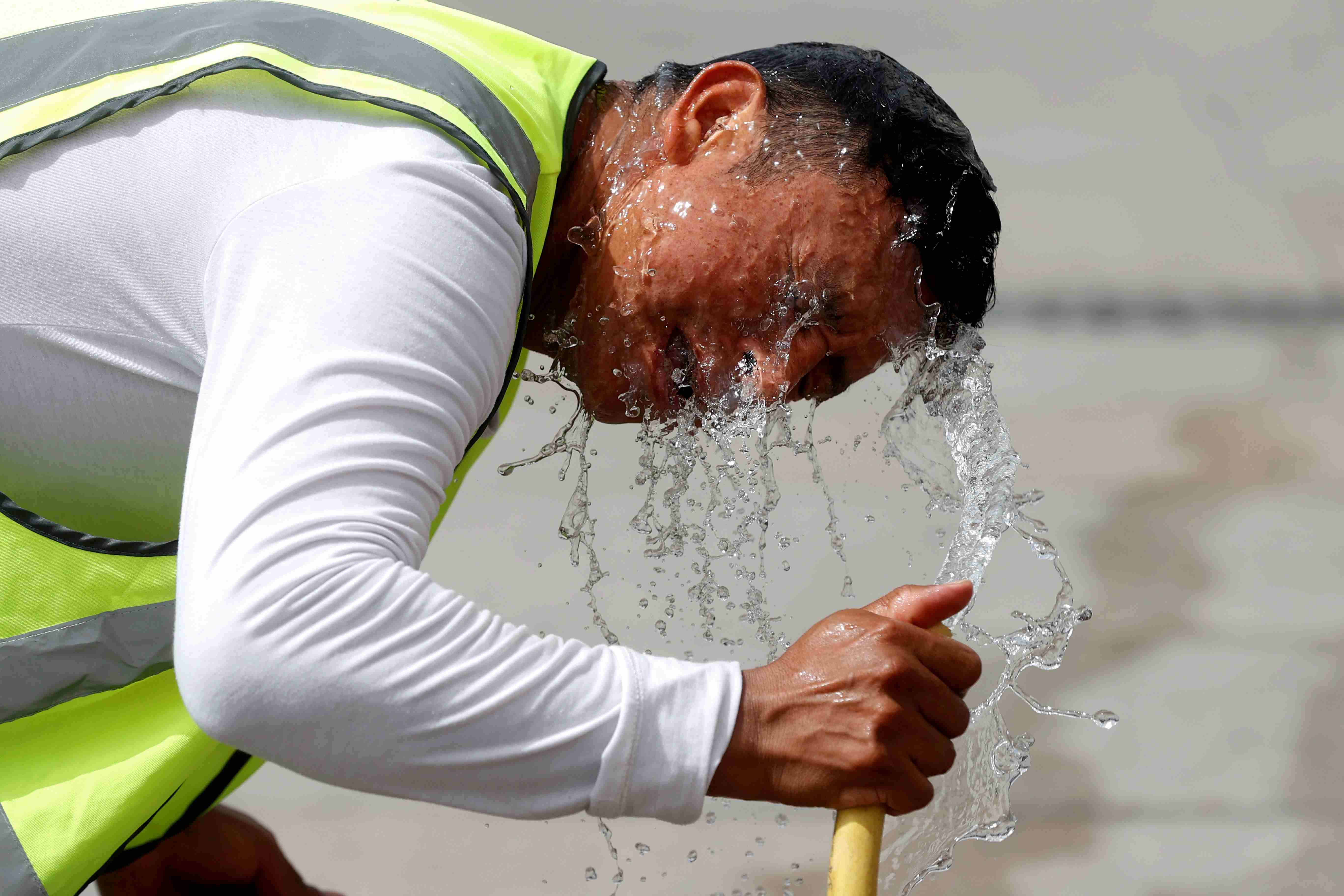
The frequency and intensity of extreme heat events have increased in recent years, heightening the risks for those who work outdoors and indoors. Health risks include heatstroke, dehydration, kidney dysfunction and neurological disorders. These are some of the conclusions of a joint report by the World Health Organisation (WHO) and the World Meteorological Organisation (WMO), which estimates that worker productivity falls by between 2% and 3% for every degree above 20°C. The document proposes measures for governments, businesses and health authorities to mitigate the risks of extreme heat for these people.

0

The global population exposed to fires has increased by 40% in twenty years

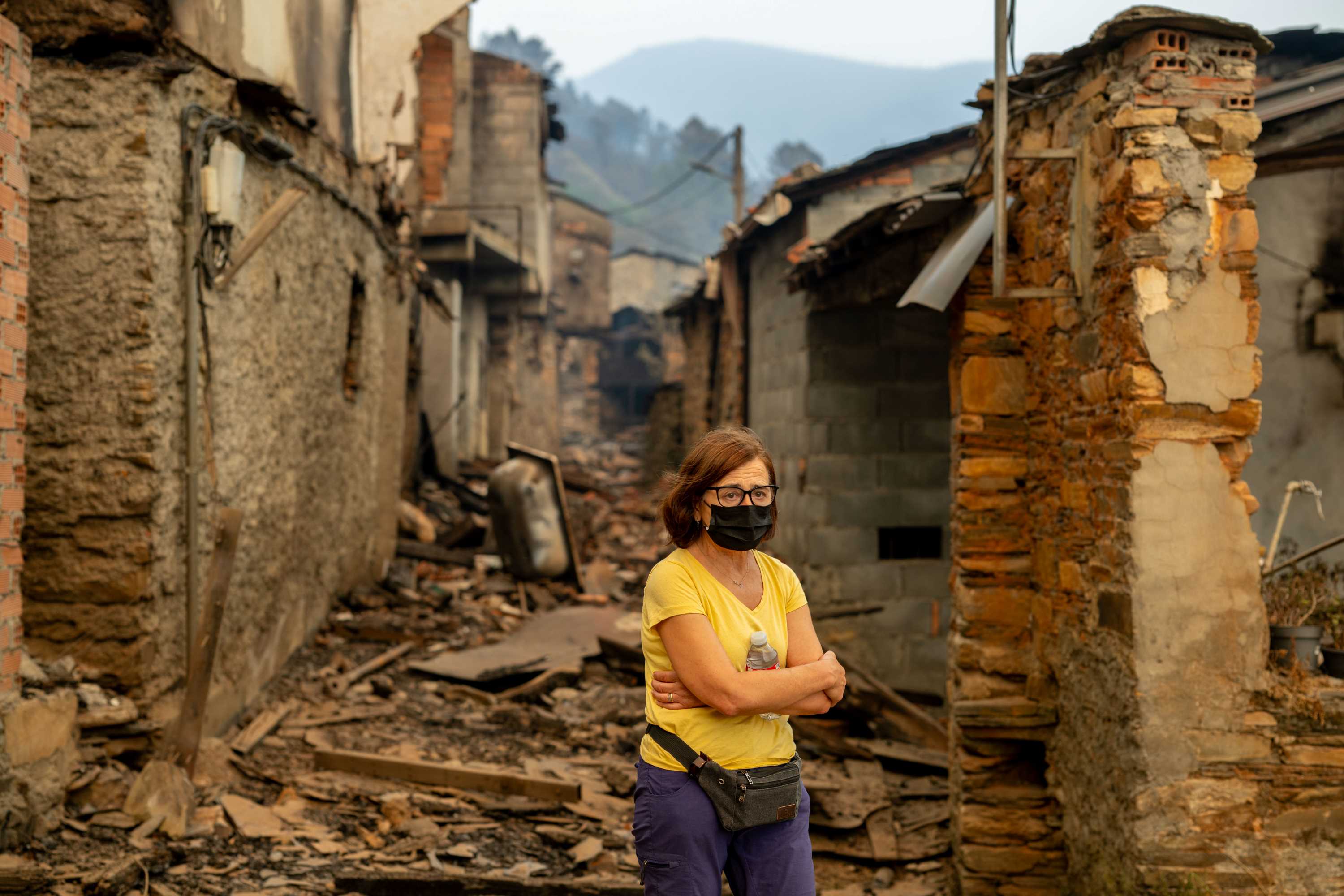
A US team has analyzed the evolution of the global population exposed to forest fires between 2002 and 2021. The study indicates that the number of people exposed has increased by 40%, despite a 26% reduction in the area burned. This is mainly due to the increase in the population living in urban-forest interfaces. 85% of exposures occurred in Africa, even though forest fire disasters in North America, Europe, and Oceania have received most of the attention, notes the study, which is published in the journal Science.  

0

Immigrant workers earn 29% less than people born in Spain

In Spain, immigrant employees earn 29% less than other workers, according to a study published in Nature. This gap is comparable to that observed in Canada, but greater than that of other European countries in the study, such as Germany, Norway and France (19-20%), and much higher than the gap observed in the United States (10%) and Sweden (7%). ‘The segregation of immigrant workers into lower-paid jobs accounts for approximately three-quarters of the overall wage differences between immigrants and natives,’ the study states.

0

Global childhood vaccination coverage increased slightly in 2024, but pre-pandemic levels were not restored

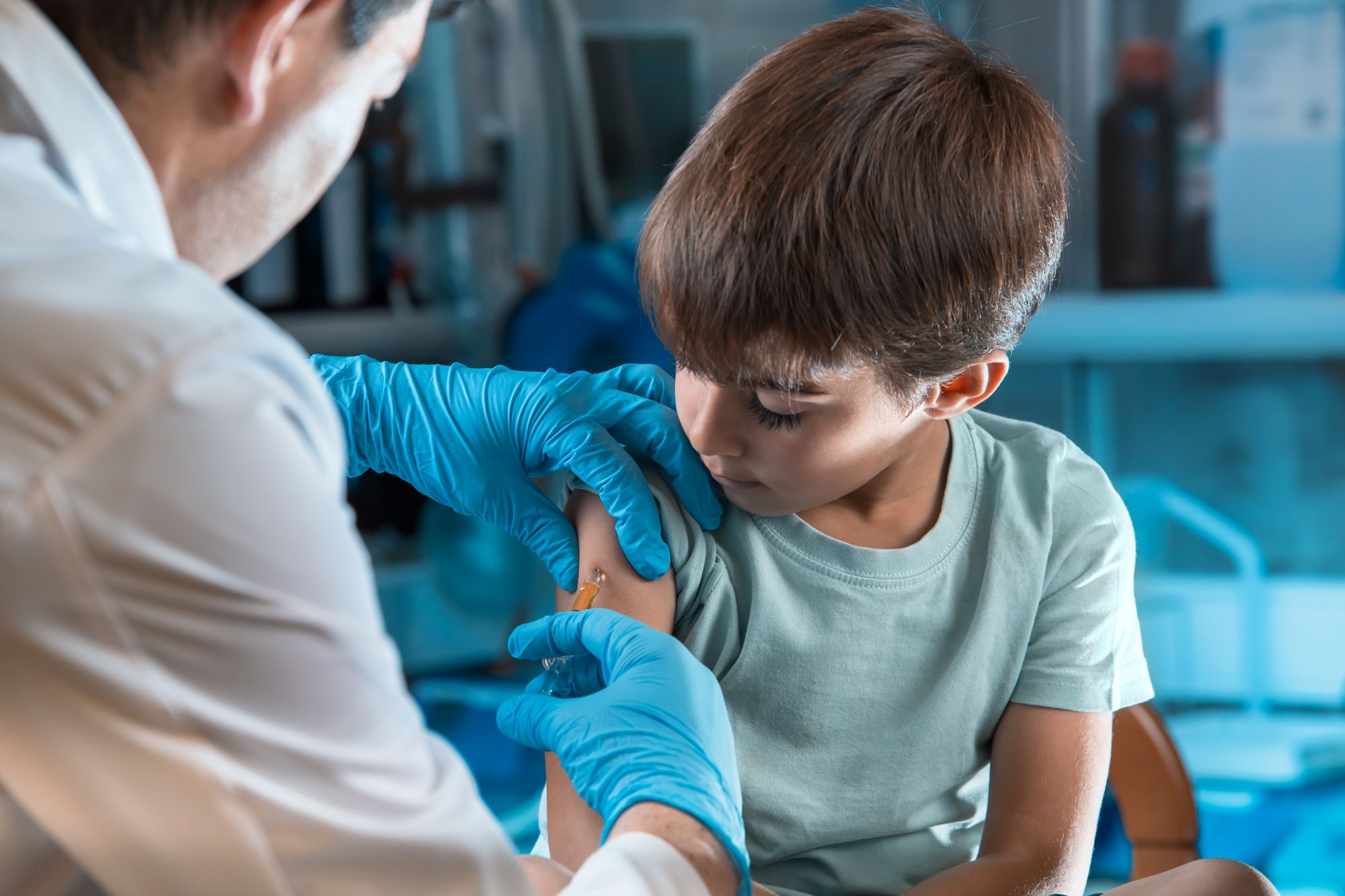
Childhood vaccination rates have increased modestly worldwide in 2024, without reaching their pre-COVID-19 pandemic levels, according to data from the WHO and UNICEF. For example, global measles vaccination coverage rose by one percentage point from the previous year, reaching 84% of girls and boys who had received one dose in 2024, compared to 86% in 2019.

0