plastics

plastics

plastics

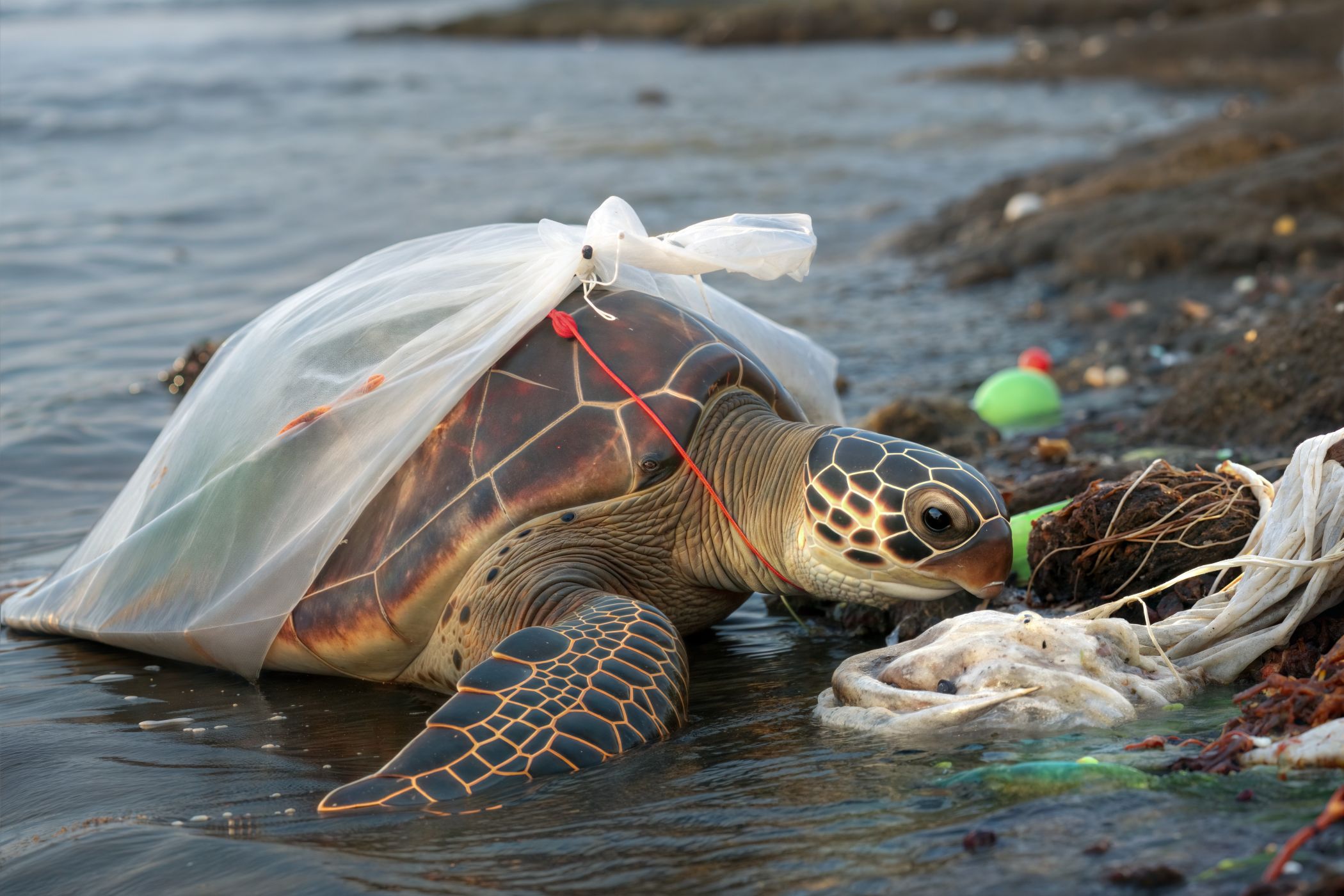
A study of 10,000 marine animal necropsies reveals that one-third of birds and nearly half of turtles had ingested macroplastics

According to a study compiling data from 10,000 marine animal necropsies, 35% of birds, 12% of mammals, and 47% of turtles examined had ingested macroplastics, causing death in 1.6%, 0.7%, and 4.4% of these animals, respectively. The types of plastic that pose the greatest risk are rubber for birds, soft plastics and fishing debris for mammals, and hard and soft plastics for sea turtles, concludes this study published in PNAS.


0

Negotiations to move forward with global plastics treaty fail

After 10 days of meetings and beyond the deadline, representatives from more than 180 countries gathered at the UN headquarters in Geneva (Switzerland) have failed to agree on a global treaty against plastic pollution, the first legally binding one. This negotiation was, in principle, the last chance to reach an agreement, after the last meeting in Busan (South Korea) also ended without a treaty in December, two and a half years after negotiations began.

0

Plastic pollution is an underrecognized threat to health, according to The Lancet.

Ahead of the anticipated conclusion of a United Nations global treaty on plastics, a group of international experts calls for greater attention to health effects when addressing plastic pollution. The work, published in The Lancet, reviews current evidence on how plastics—including microplastics and plastic chemicals—affect health, and announces the launch of a new project to monitor these effects.

0

High concentrations of nanoplastics found in Atlantic Ocean

Most research on the presence of plastics in the seas has focused on macro- and microplastics. Now, an international team has analyzed the presence of nanoplastics - smaller in size - in different locations and depths of the North Atlantic Ocean, including areas near the European coasts. The results suggest that these may account for the majority fraction of the total mass of plastic in the oceans and that the total mass of marine plastic may be greater than previously thought. The work is published in the journal Nature

0

Microplastics found in reproductive fluids

A research team from Murcia has found several types of microplastics in 69% of follicular fluid samples from 29 women and 55% of seminal fluid samples from 22 men, according to a presentation at the annual meeting of the European Society of Human Reproduction and Embryology (ESHRE), being held from 29 June to 2 July in Paris, France. The most frequent polymer in both types of samples was polytetrafluoroethylene (PTFE). The abstract of the research is published in the journal Human Reproduction.

0

Less than 10 % of plastics manufactured in 2022 were made from recycled materials

Only 9.5% of plastics produced globally in 2022 were generated from recycled materials. The findings, published in Communications Earth & Environment, are part of a comprehensive analysis of the global plastics sector, which also reveals a large increase in the amount of plastic being disposed of by incineration and substantial regional differences in its consumption.

0

Evidence on the toxicity of microplastics in the human brain and strategies for their elimination examined

An article reviews evidence on the accumulation of microplastics in human brain tissue recently published in Nature Medicine. The authors highlight practical measures to reduce exposure, noting that switching from bottled water to filtered tap water could reduce microplastic intake from 90,000 to 4,000 particles per year. The paper is a commentary in Brain Medicine. 

0

Higher concentrations of microplastics found in human brains than in liver or kidney

A multidisciplinary team of US researchers has analyzed the presence of micro- and nanoplastics in 52 human cadavers between 2016 and 2024. The concentrations of these particles were higher in the brain than in the liver or kidneys. They were also higher in the brains of people with dementia, although the researchers acknowledge that causality cannot be established. The results are published in the journal Nature Medicine. 

0