Eduardo Rojas Briales

Eduardo Rojas Briales

Eduardo Rojas Briales
Position

Lecturer at the Polytechnic University of Valencia and former Deputy Director-General of the FAO

Topics

The rapid spread of extreme fires can lead to long-term changes in vegetation

A study published in Science Advances has shown that areas affected by extreme wildfires – characterised by rapid spread and great difficulty in extinguishing them – have lower tree cover and reduced resilience compared to less intense fires, which may lead to long-term changes in vegetation. The team analysed 32.1 million hectares of coniferous forest in Canada and the western United States that were affected by fires between 2012 and 2023. Of this area, more than a third was burnt by extreme fires. In these cases, they observed that the faster the fire front advances, the greater the size and severity of the fire and the greater the distance from seed sources for the surviving trees, paving the way for long-term changes in vegetation.


0

A study attributes the “extreme” weather conditions that fuelled the fires in Spain and France to climate change

Human-induced climate change has made the ‘extreme’ weather conditions that fuelled the recent wildfires at least twice as likely in France and 20 times as likely in Spain, according to a new analysis by World Weather Attribution (WWA). The team analysed historical weather observations and used the Daily Severity Index (DSR), which incorporates heat, drought and wind conditions and reflects the difficulty of extinguishing a fire. The researchers examined the seven-day period with the highest DSR in south-western France and central Spain, where the fires occurred, and compared it with simulations of a pre-industrial climate. According to the study, under current climate conditions, events of this intensity are projected to occur once every 20 years in south-western France and once every six years in central Spain.


0

The Ministry of Interior has declared a state of emergency of national interest in the Community of Madrid and the province of Ávila due to three forest fires

Early this morning, the Minister of Interior, Fernando Grande-Marlaska, declared a state of emergency of national interest in the Community of Madrid and the province of Ávila due to the forest fires in Villa del Prado, San Martín de Valdeiglesias and Burgohondo. According to Carlos Novillo, the Regional Minister for the Environment, Agriculture and the Interior of the Community of Madrid, the fires were beyond the capacity of the fire services to extinguish and posed a serious threat to the population. The Madrid 112 Security and Emergency Agency has reported that, although the night-time firefighting efforts have been effective, the fires have still not been contained or brought under control. More than 10,000 people remain evacuated.

0

So far this year, almost 120,000 hectares have been destroyed by fire in Spain – one of the highest figures recorded for this time of year

Data from the Copernicus European Forest Fire Information System (EFFIS) show that, as of 22 July, 119,458 hectares have been burnt in Spain. The average number of hectares burnt from 2006 to 2025 up to this date stands at 35,736 hectares. The fire in the Sierra Norte de Guadalajara, which has scorched more than 30,000 hectares and is still active, together with numerous fire fronts in other provinces and the fire in Los Gallardos (Almería), in which 13 people died, have caused the total area burnt to soar.


0

Study assesses benefits of prescribed forest fires for air pollution

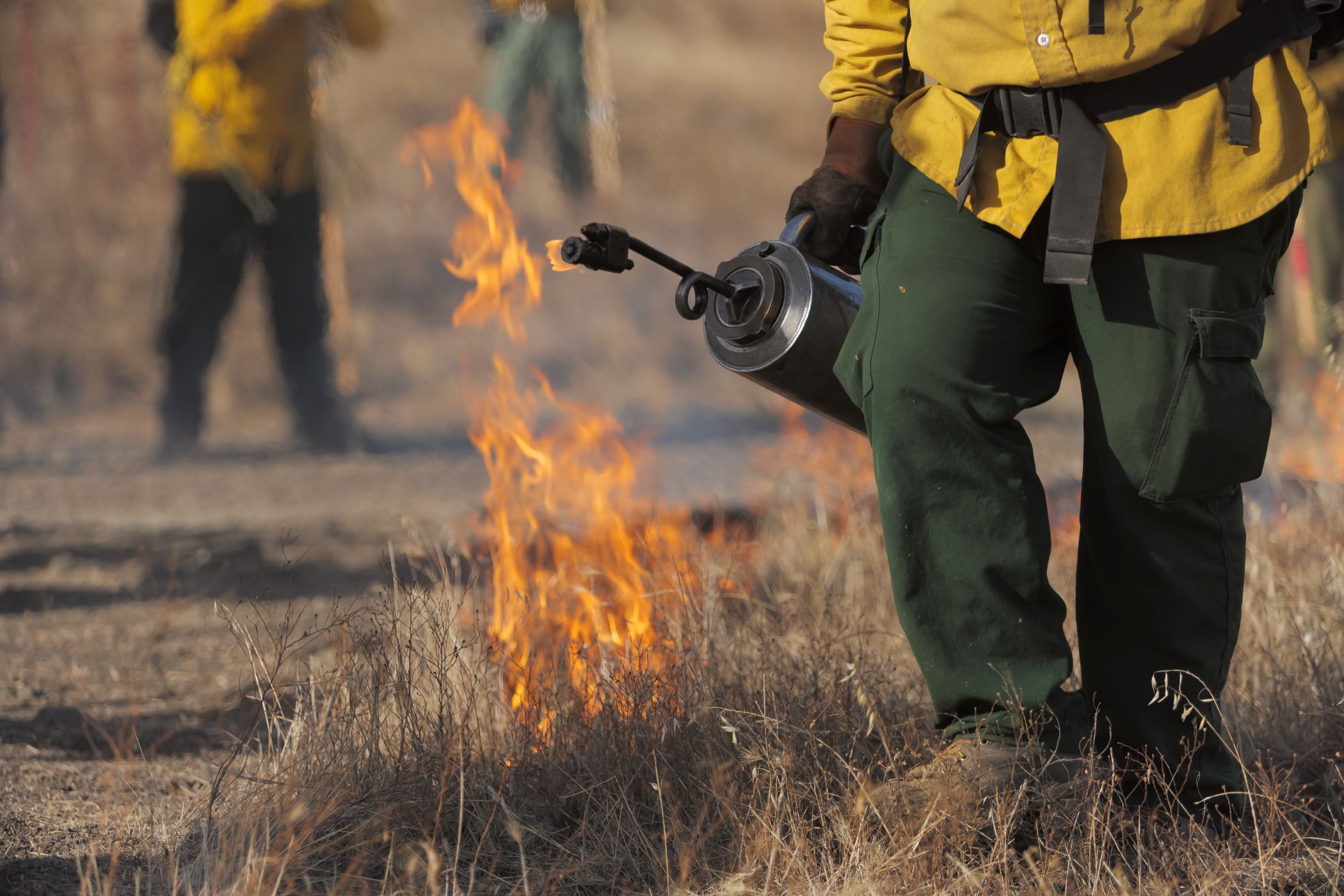
Controlled burning of coniferous forests helps prevent larger wildfires and thus reduces emissions of polluting smoke, according to a study published in Science. The study uses satellite data to estimate the severity of wildfires in California between 2000 and 2021, combined with estimates of fine particulate matter emitted by the fires. By simulating the prescribed burning of more than 2,000 km² of forest per year, the authors estimate a 10% reduction in the cumulative emission of harmful particles in California up to a decade later.

0

Wildfires in 2025 burned more than one million hectares across the European Union, with nearly half of that area located on the Iberian Peninsula

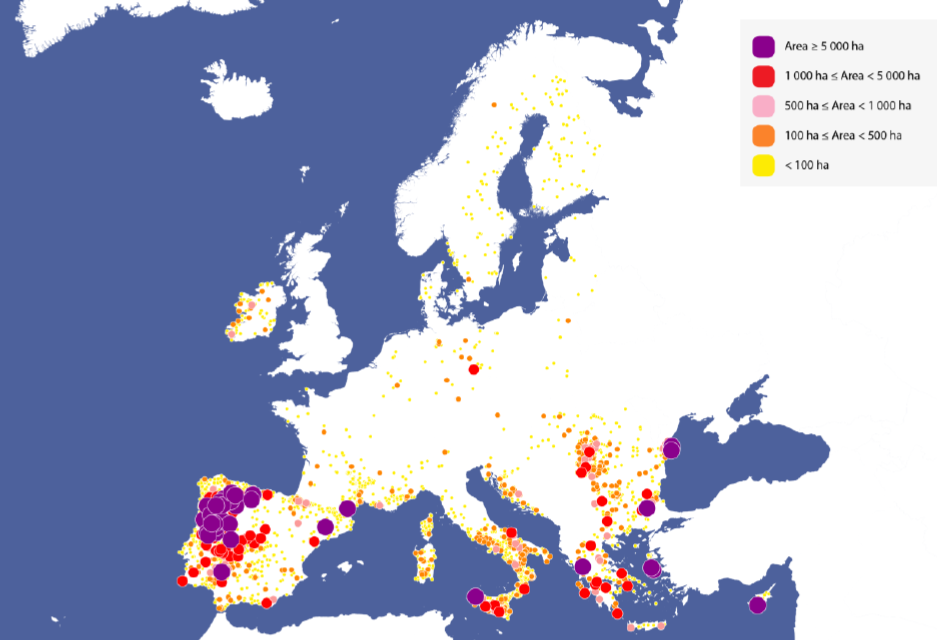
The 2025 wildfire season was the worst the European Union has seen in the last century. According to a report by the European Forest Fire Information System (EFFIS), managed by the European Commission’s Joint Research Centre (JRC), more than one million hectares were burned last year. Some 43% of that figure was burned in the major fires that occurred in Spain and Portugal during the summer. The report also covers the rest of the European continent, the Middle East, and North Africa, resulting in a total of more than two million hectares of burned area.

0

Forest fires and pest outbreaks could double in Europe before the end of this century

Forest disturbances in Europe—including fires, insect pest outbreaks, and windstorms—could double by the end of the 21st century compared with the 2001–2020 period if emissions are not reduced. In the case of wildfires, the annual area burned could nearly triple. The Mediterranean region ranks among the most vulnerable, and almost 90% of Mediterranean forests could be affected by increased fires and pest outbreaks under higher warming scenarios. The findings are published in a study in the journal Science involving Spanish research centers such as CREAF, the CTFC and the University of Girona.

0

Wildfire disasters have intensified since 2015

The frequency of fire-related disasters increased significantly from 2015 onwards, according to a study analysing data from reinsurance companies between 1980 and 2023. Forty-three per cent of the 200 most damaging events, in terms of both human and economic damage, occurred in the last decade, the authors estimate in the journal Science. The risks were highest in the Mediterranean and in temperate coniferous biomes, and their frequency coincides with increasingly extreme weather conditions, they add. 

0

An attribution study links climate change to the intensity of extreme fires in Spain and Portugal in August 2025

Climate change has made the hot, dry and windy weather conditions that spread fires across the Iberian Peninsula 40 times more frequent and 30% more intense than in the pre-industrial climate, according to a rapid study by World Weather Attribution. The ten-day heatwave was also 200 times more likely and 3°C hotter due to climate change. The study, which analysed weather observations rather than climate models, warns that fires in Europe are overwhelming firefighting resources and highlights the importance of controlling vegetation in affected areas.


0

Extreme heat and wind keep numerous fires burning on the peninsula

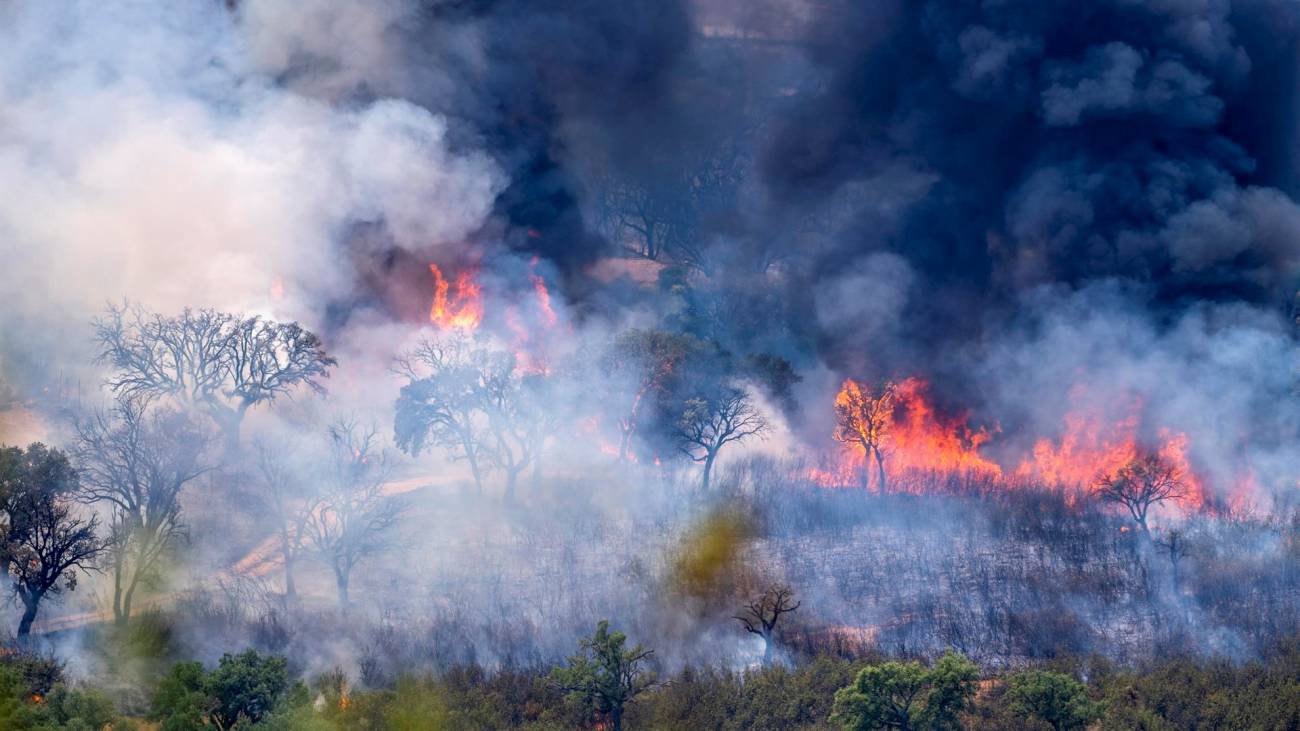
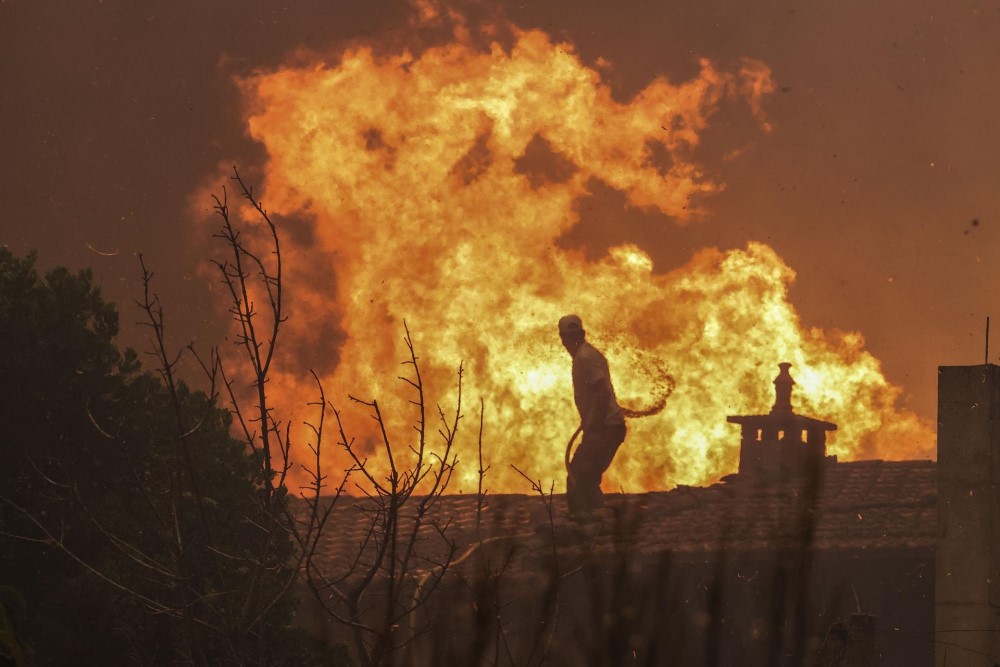
Four people have died in the fires that began last weekend on the Iberian Peninsula and have spread to different areas of Galicia, Castile and León, Andalusia, Castile-La Mancha, Extremadura and Madrid. The heatwave that continues to grip the country, strong gusts of wind and their changing direction, and the thermal drought are hampering firefighting efforts. The government declared on Tuesday a pre-emergency phase and thousands of people have had to be evacuated.

0