Ignacio J. Molina Pineda

Ignacio J. Molina Pineda

Ignacio J. Molina Pineda
Position

Professor of Immunology and Director of the Department of Biochemistry and Molecular Biology 3 and Immunology at the University of Granada

Preliminary data show that measles cases in Europe declined in 2025, although they increased in countries such as Spain

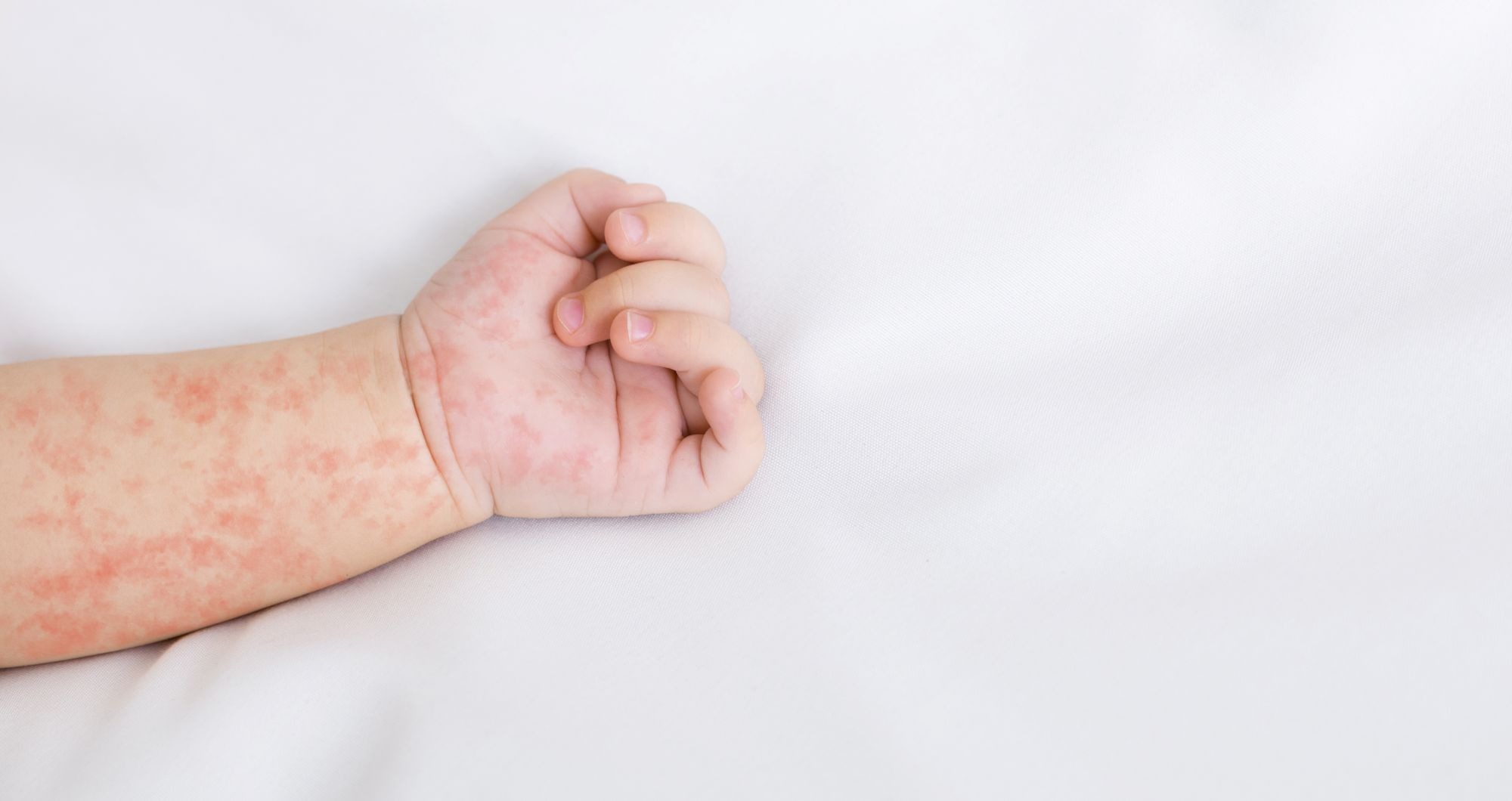
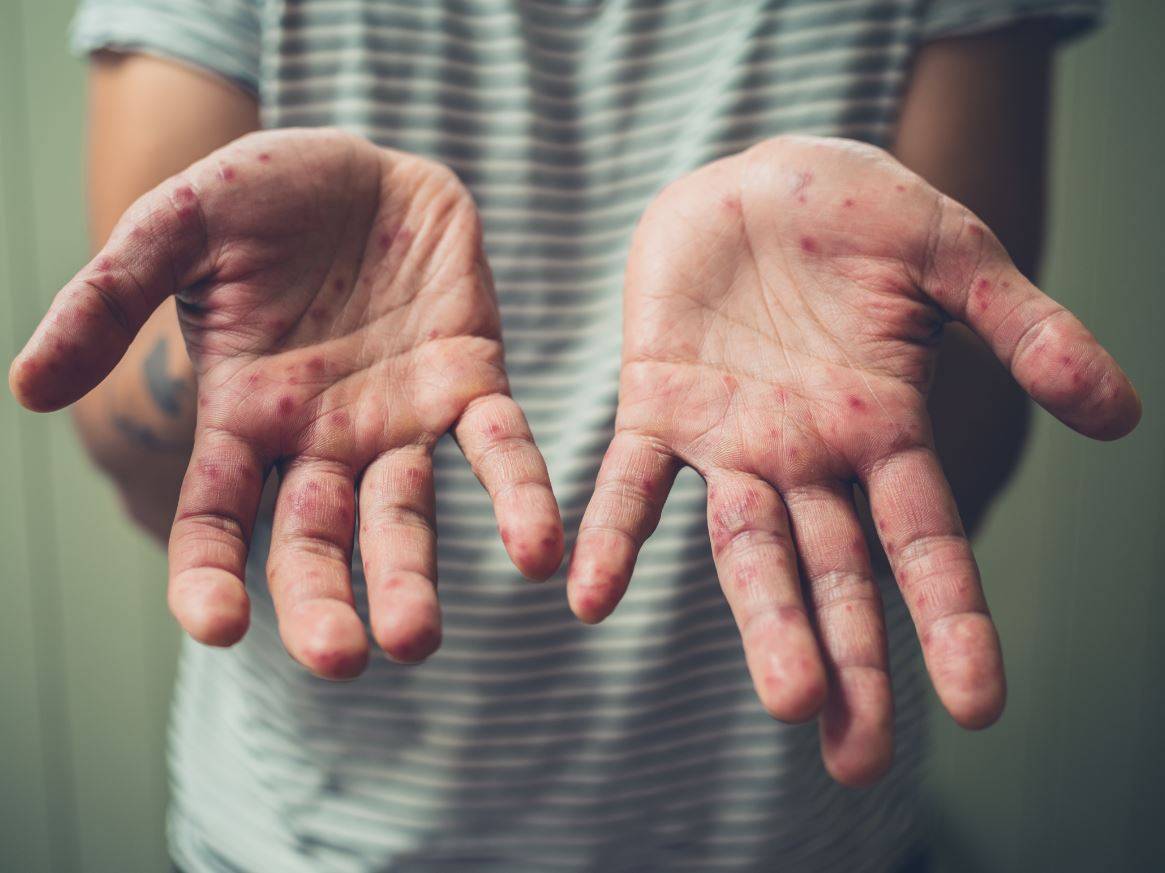
Measles cases in Europe and Central Asia fell in 2025 compared with 2024, according to preliminary data reported by 53 countries in the World Health Organization (WHO) European Region. This decline aligns with the preliminary figures published this week by the European Centre for Disease Prevention and Control (ECDC). According to the WHO, countries in Europe and Central Asia reported 33,998 measles cases in 2025, representing a decrease of nearly 75 % compared with the 127,412 cases recorded in 2024. In Spain, however, the number of cases has increased, as shown by data from the Carlos III Health Institute. A few weeks ago, the WHO announced that Spain had lost its measles-free status.

0

A type of brain training could help the immune system

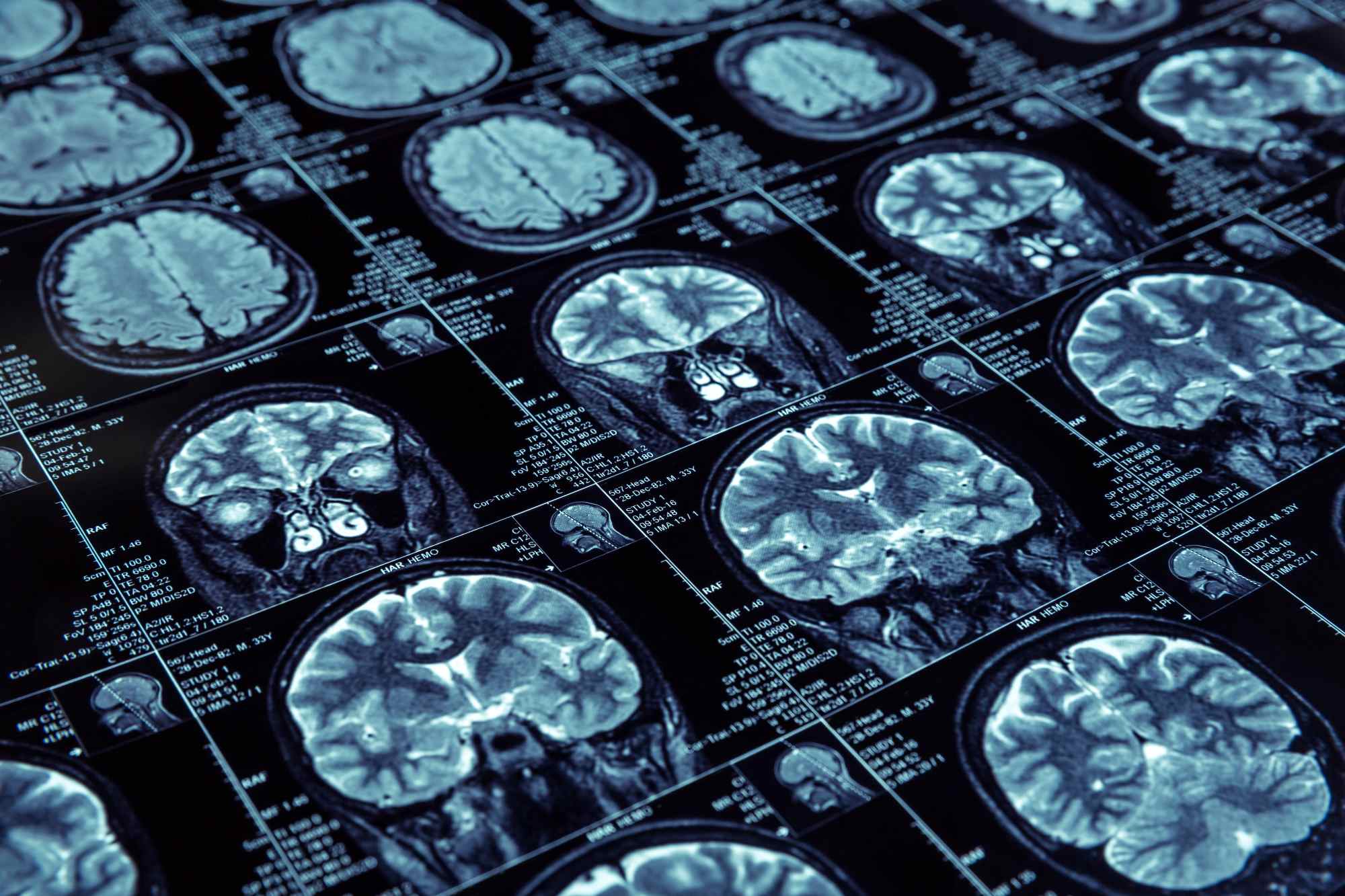
An international team trained 85 people to activate a part of the brain associated with reward and positive expectations, after which they received a hepatitis B vaccine. Overall, those who learned to maintain greater activity in this area showed a greater increase in antibody levels after immunization. According to the authors, the results “suggest that positive thinking could help the brain strengthen the immune system in a non-invasive way.” The work is published in Nature Medicine. 

0

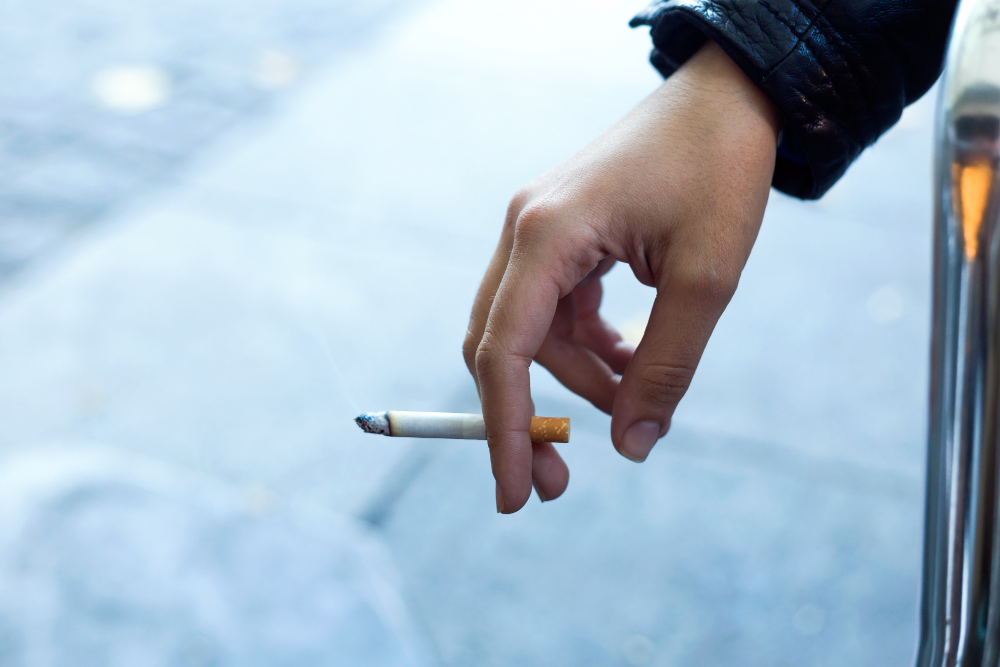
Reactions: tobacco alters the immune response even in the long term

A study has analysed more than 100 environmental factors and their impact on the immune response. After studying about a thousand volunteers, its conclusions are that smoking is the factor that causes the most alterations in defences. While some changes are transient, others may remain for years after quitting. The results are published in the journal Nature.

0

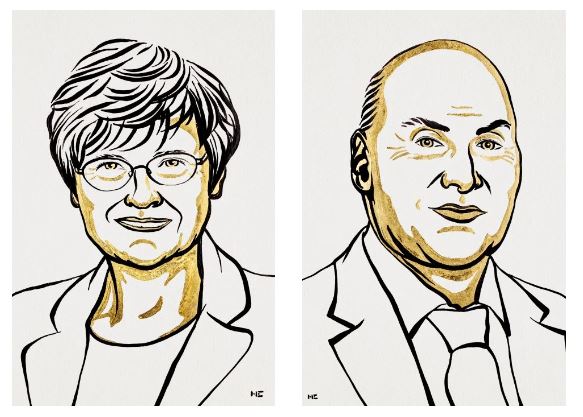
Reactions: Nobel Prize in Physiology awarded to Karikó and Weissman for their discoveries that led to the development of effective mRNA vaccines against covid-19

The Karolinska Institute has awarded the Nobel Prize in Medicine or Physiology to Katalin Karikó and Drew Weissman for their groundbreaking discoveries, which have radically changed our understanding of how mRNA interacts with our immune system, and made it possible to develop vaccines at unprecedented speed during the covid-19 pandemic.

0

Reactions: FBI director says "the covid-19 pandemic probably originated in a laboratory incident in China"

In an interview with US television FOX News, FBI Director Christopher Wray said that, according to his office's assessment, "it is likely that the origin of the coronavirus pandemic was a leak from a laboratory in Wuhan, China". These statements follow media reports of a US Department of Energy report, accessed by the Wall Street Journal, that would also support "with low confidence" the leak hypothesis. Even so, a spokesman for the US National Security Council told AP that there is "no consensus" among intelligence agencies on the issue.

0

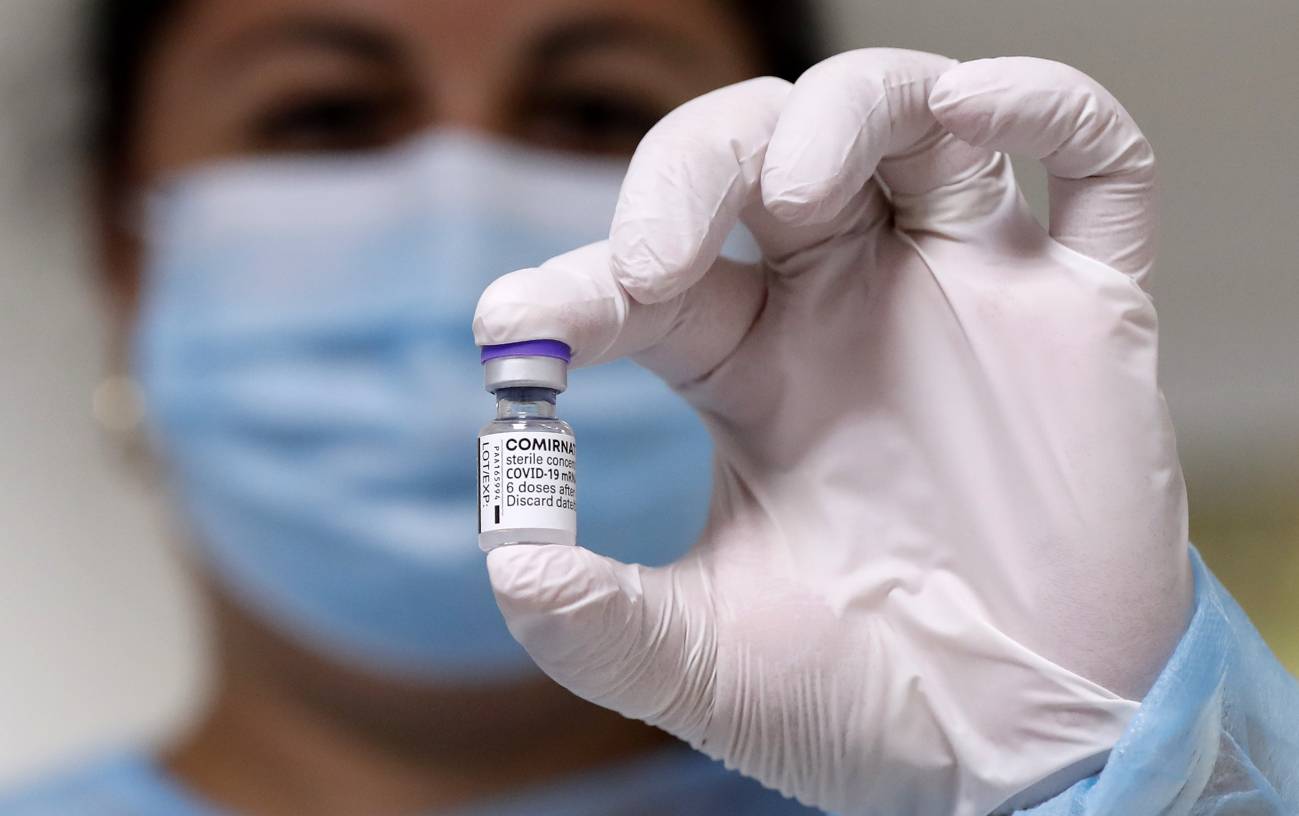
Reactions to study claiming three doses of covid-19 vaccines protect better than two

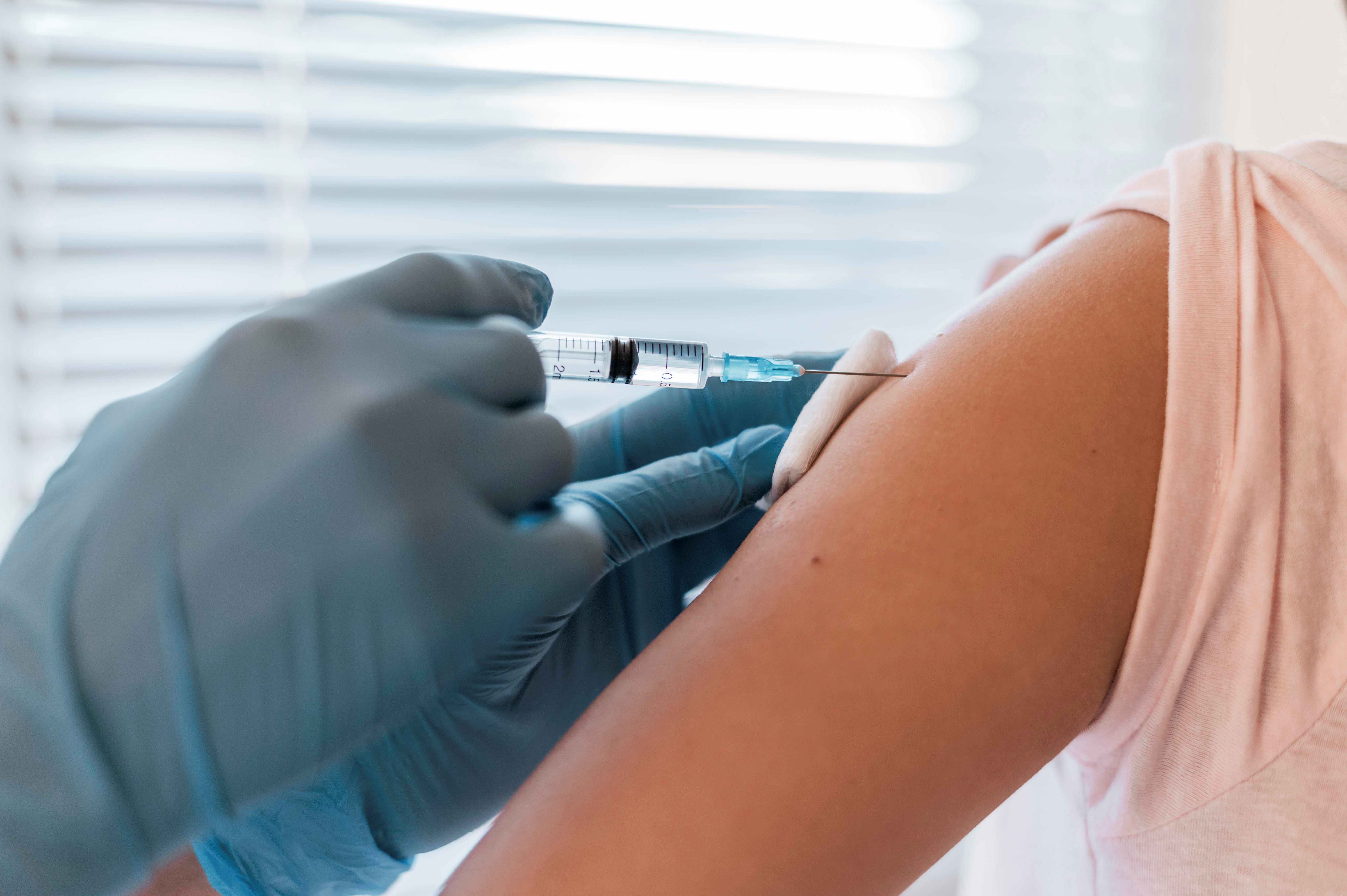
To estimate the effectiveness of two or three doses of vaccines against covid-19 infection and hospitalisation, researchers in Denmark conducted a study of all previously uninfected Danish residents aged 12 years and older. The conclusion of the research, which is published in PLOS Medicine, is that a third dose provided greater protection against infection and hospitalisation with omicron than two vaccines.