Spanish National Research Council (CSIC)
If you are the contact person for this centre and you wish to make any changes, please contact us.
'Ramón y Cajal' postdoctoral researcher at the Biologial Mission of Galicia and head of the ECOP research group – Landscape Ecology
Senior Scientist at the Spanish Institute of Oceanography, IEO-CSIC
Senior scientist at the CSIC at the Animal Health Research Centre (CISA), National Institute for Agricultural and Food Research and Technology (INIA)
Researcher at the Instituto Cajal, CSIC
Doctor in Ecology and postdoctoral researcher at the National Museum of Natural Sciences (CSIC) in Madrid
Professor of Economics at Durham University (United Kingdom), Research Professor at the Spanish National Research Council (CSIC) and Lead Author of the International Cooperation chapter of the IPCC's AR6
EMERGIA post-doctoral research in the Sky Quality Office
Research professor at public research organisations at the CSIC Institute of History, in the Department of Archaeology and Social Processes
Researcher at the Institute of Public Goods and Policies of the CSIC (IPP-CSIC)
CSIC research professor and expert in food safety and water quality
Head of the Epidemiology and Environmental Health research group at CISA, INIA-CSIC.
Senior scientist at the Institute for Biomedical Research of Barcelona (IIBB-CSIC), principal investigator at CIBERSAM and head of the Systems Neuropharmacology group at IDIBAPS-Fundació Clínic.
Research Professor at the Doñana Biological Station (EBD-CSIC)
Director of the Institute of Neurosciences, a joint centre of the Miguel Hernández University of Elche (UMH) and the CSIC
Research Professor at IMEDEA (CSIC-UIB)
Researcher at the Pyrenean Institute of Ecology (IPE)
Researcher at the Mixed Institute for Biodiversity Research (IMIB), CSIC-University of Oviedo-Principality of Asturias
Researcher at the Institute of Molecular and Cellular Biology of Plants (UPV-CSIC)
Professor of Theoretical Physics at the Institute of Corpuscular Physics (IFIC), University of Valencia - CSIC
Research professor in the Department of Paleobiology at the National Museum of Natural Sciences, CSIC
Scientific researcher at the CSIC at the Severo Ochoa Center for Molecular Biology
Research Professor at the Institute of Dairy Products of Asturias (IPLA-CSIC)
CSIC research scientist in the Department of Instrumental Analysis and Environmental Chemistry at the Institute of General Organic Chemistry (IQOG-CSIC)
Professor of Biochemistry and Molecular Biology at the Autonomous University of Madrid and deputy director of the Centre for Molecular Disease Diagnosis at the Centre for Molecular Biology (CBM-UAM-CSIC).
Researcher at the National Museum of Natural Sciences of the Spanish National Research Council (CSIC)
PhD in Biochemistry and Molecular Biology, CSIC research scientist at the Center for Astrobiology (CSIC-INTA), where he leads a group researching the origin of life and the development of biosensors, and science communicator.
Ramón y Cajal researcher at the Doñana Biological Station (EBD-CSIC)
Researcher at the CSIC, responsible for the Ocean-Climate System Assessment Unit and collaborator in international United Nations processes on climate change and oceans
Co-director of the Microbiome Analysis Laboratory and Research Professor
CSIC Tenured Scientist of the Q-MAD group at the Institute of Nanoscience and Materials of Aragon (INMA)
Researcher at the Department of Physical and Technological Oceanography of the Institute of Marine Sciences (ICM-CSIC).
Senior Scientist at the CSIC and researcher at the Centro de Biología Molecular Severo Ochoa
Postdoctoral researcher at the Institut de Biologia Evolutiva (CSIC- Universitat Pompeu Fabra).
Researcher at the Climate, Atmosphere and Oceans Laboratory (Climatoc-Lab) at the Desertification Research Centre (CIDE, CSIC-UV-GVA)
Professor of Animal Health at the Institute for Research in Game Resources (IREC) and head of the Health and Biotechnology Research Group (SaBio) at the University of Castilla-La Mancha
Neuroscientist researcher in physical exercise and memory at the Institute of Biomedical Research of Barcelona (CSIC)
Tenured Scientist and Honorary Associate Professor at the Joint Research Institute for Biodiversity (University of Oviedo–CSIC–Principality of Asturias) and Swansea University (United Kingdom)
CSIC research professor at CREAF (Centre for Ecological Research and Forestry Applications)
Principal investigator of the 3D Genomics group at the Andalusian Centre for Development Biology (CABD)
Researcher at the UAM-CSIC Institute of Theoretical Physics and in the Department of Theoretical Physics at the Autonomous University of Madrid
Research scientist at the CSIC Institute of Catalysis and Petrochemistry
Professor of Biochemistry and Molecular Biology at the University of Seville, principal investigator at CABIMER (CSIC-US) in the Laboratory of Cellular and Molecular Neuroimmunology
Director of the Water and Global Change Department
Researcher at the Institute of Interdisciplinary Physics and Complex Systems (IFISC-CSIC-UIB)
Senior Scientist in Social Sciences at INGENIO (CSIC-UPV)
Director of the Institute of Economy, Geography and Demography of the CSIC
Researcher at the Spanish Institute of Oceanography (IEO - CSIC)
Head of the Experimental Pharmacology and New Targets in Cardiopulmonary Disorders Group at the Margarita Salas Biological Research Centre - CSIC
Researcher at the Madrid Institute of Materials Science, CSIC, and member of the Nanostructured Hybrid, Biohybrid and Porous Materials group
Researcher at the Doñana Biological Station (CSIC)
CEO and founder of Marsi Bionics and a research scientist at the CSIC on leave of absence
Researcher in the Department of Infectious Diseases and Global Health at the Centre for Animal Health Research CISA-INIA, CSIC
Senior scientist at the Institute of Language, Literature and Anthropology of the CSIC, expert in climate anthropology
CIDEGENT Distinguished Researcher
Director of the Institute of Environmental Assessment and Water Studies (IDAEA-CSIC)
Honorary Doctor at the CSIC Institute of History, in the Department of Archaeology and Social Processes
Staff scientist at the Institute of Materials Science of Madrid – CSIC and member of the Supramolecular, Polymeric and Reticular Materials group
Group Leader in Nanomedicine and Molecular Imaging, Institute of Medicinal Chemistry (IQM) of CSIC
PhD in Biology, CSIC researcher and associate professor at the Universidad Rey Juan Carlos de Madrid
Scientist at the Center for Human and Social Sciences, IPP-CSIC, specialized in meta-research in public health, epidemiology and health services.
Doctor of Medicine specialising in Paediatrics, Rare Diseases and Molecular Genetics, research professor at the CSIC and chair of the Scientific Advisory Board of the Únicas Centre, Sant Joan de Déu Children's Hospital
Research Professor at the Eduardo Torroja Institute for Construction Sciences. Executive Vice-President of the Women and Science Commission of the CSIC.
Researcher in the Department of Soil and Plant Microbiology, Zaidín Experimental Station-CSIC
Research scientist at the Institute of Neurosciences in Alicante (CSIC-UMH), head of the Molecular Neurogenetics group
Researcher at the Institute of Geosciences, IGEO (CSIC-UCM)
Researcher, Instituto de Física Corpuscular
Tenured Scientist at the Barcelona Institute of Microelectronics (IMB-CNM) of the CSIC and member of the Radiation Detectors research group
Researcher at the Joint Institute for Biodiversity Research of the University of Oviedo
Research Professor leading the research group New platforms and nanodevices for quantum simulation and computing of the Madrid Institute of Materials Science (CSIC)
Professor of the Department of Theoretical Physics & IFIC of the University of Valencia - CSIC
Senior scientist in the Biotechnology Department at INIA-CSIC
Forestry engineer and senior scientist at the National Institute for Agricultural and Food Research and Technology (INIA-CSIC)
Research Professor in the Department of Biodiversity and Evolutionary Biology at the National Museum of Natural Sciences (MNCN-CSIC)
Ecologist. 'Ramón y Cajal' researcher working at EBD-CSIC (Doñana Biological Station)
Coordinator of the CSIC Global Health Platform and researcher at the Instituto de Biomedicina de Valencia (IBV-CSIC)
Principal investigator at the Institute of Evolutionary Biology (CSIC-UPF)
Scientist in the Epidemiology and Environmental Health research group at CISA, INIA-CSIC.
Postdoctoral researcher at Doñana Biological Station (EBD-CSIC)
Co-director of the coronavirus group at the National Biotechnology Centre (CNB-CSIC)
Head of the Cybermetrics Laboratory and Deputy Technical Director of the Institute of Public Goods and Policies (IPP-CSIC)
Researcher on the evaluation of science at Leiden University (Netherlands) and at the Ingenio Institute (CSIC-UPV)
Research professor at the Institute of Geosciences, IGEO (CSIC-UCM)
CSIC Group Leader at the Institute of Neurosciences (CSIC-UMH)
Researcher at the Centro de Investigación en Sanidad Animal (CISA-INIA/CSIC)
Researcher at the Madrid Institute of Materials Science, CSIC, and member of the Nanostructured Hybrid, Biohybrid and Porous Materials group
Senior scientist at the Fat Institute-CSIC
Professor ad honorem of the CSIC at the Severo Ochoa Centre for Molecular Biology
Research Professor at the Pyrenean Institute of Ecology (CSIC)
Planetary geologist and astrobiologist at the IGEO (CSIC-UCM). Academician of the Royal Academies of Sciences and Doctors of Spain. President of the Planetary Geology Commission of the Geological Society of Spain and of the Spanish Network of Planetology and Astrobiology.
Research Professor at the Institute for Environmental Diagnoses and Water Studies (IDAEA-CSIC) and Director of the Natural Risk Assessment and Management Service (NRAMS)
Research Professor at the CSIC, Department of Environmental Chemistry at the Institute of Environmental Diagnosis and Water Studies (IDAEA-CSIC)
CSIC research professor at CREAF
Research scientist at the Public Research Organisation (PRO) at the Institute of Biomedicine of Valencia of the Spanish National Research Council (CSIC) and principal investigator at CIBERNED
Researcher in the Department of Biogeography and Global Change at the National Museum of Natural Sciences (MNCN-CSIC)
Research professor at the Doñana Biological Station (CSIC)
Research Professor at the IAA-CSIC (Granada) and co-principal investigator of the SO/PHI instrument on board Solar Orbiter
Research scientist at the Institute of Mathematical Sciences (ICMAT, CSIC-UAM-UCM-UC3M), specialising in arithmetic geometry
Scientific researcher in the Water and Global Change Department of the Geological and Mining Institute of Spain (IGME-CSIC)
Head of the Concrete Laboratory Technical Unit, Deputy Technical Director of the Eduardo Torroja Institute of Construction Science at the CSIC
Senior Scientist at the Institute of Advanced Social Studies (IESA-CSIC)
Astrophysicist at the Instituto de Astrofísica de Andalucía (IAA-CSIC)
Scientific researcher at ICMAT and Vice-President for Scientific and Technical Research at CSIC
ICREA Research Professor at the Institute of Molecular Biology of Barcelona (IBMB)
CSIC researcher at the National Museum of Natural Sciences (MNCN) specialised in hydrological risks in the context of global change and member of the Risk Commission of the Geosciences Connection
Research Professor at CSIC and head of the CO2 Capture group at the Institute of Carbon Science and Technology (INCAR)
Senior Scientist at the Animal Health Research Centre (CISA) of the National Institute for Agricultural and Food Research and Technology (INIA-CSIC)
CSIC geologist and paleontologist at the Institute of Geosciences (CSIC-UCM)
Director of the Institute of Optics “Daza de Valdés”
Research professor at the Institute of Theoretical Physics (UAM-CSIC)
Research Scientist at the Institute of Fundamental Physics IFF-CSIC
Research professor at the Spanish National Research Council (CSIC) at the Institute of Corpuscular Physics (IFIC) in Valencia (University of Valencia-CSIC), co-principal investigator of the KM3NeT research team at IFIC and co-leader of the VEGA Group at IFIC
Senior Scientist in the Paleobiology Department of the National Museum of Natural Sciences (Madrid)
CSIC research professor (honorary) at the Instituto de Neurociencias de Alicante (CSIC-UMH) and member of the Royal Academy of Sciences of Spain
Researcher specializing in environmental chemistry at the Institute of General Organic Chemistry (IQOG-CSIC)
CSIC lecturer at CIDE (Centre for Research on Desertification), Valencia
Member of the Food Security and Environment Research Group of the Desertification Research Centre (Valencia)
PhD in Physics and tenured scientist at the Institute of Physics of Cantabria (CSIC-UC)
CSIC research professor at the Cajal Institute
Tenure scientist, PhD in Physics, specialising in superconductors, Instituto de Ciencia de Materiales de Madrid (CSIC).
Researcher in the Water and Global Change Department of the Geological and Mining Institute of Spain (IGME-CSIC)
CSIC researcher at CREAF and co-coordinator of the Laboratory for Biodiversity and Landscape Ecology
Research professor at the National Biotechnology Centre (CNB-CSIC) and at the CIBERER-ISCIII
Research Professor at CSIC at the Institute of Public Goods and Policies (IPP)
CSIC senior scientist, researcher in reproductive biology
CNB-CSIC Scientific Researcher at the CiMUS of the University of Santiago de Compostela, IDIS. Laboratory of Cell Senescence, Cancer and Aging
Virologist and immunologist at the Severo Ochoa Centre for Molecular Biology, coordinator of the CSIC interdisciplinary research platform on Global Health.
Researcher at the Instituto de Ciencia de Materiales de Madrid (ICMM, CSIC).
Researcher at the Institute for Food Science Research (CSIC-UAM)
Head of the Pathogenic Mechanisms of Alzheimer's Disease research group and researcher at the Severo Ochoa Molecular Biology Centre
Research Professor at the Institute for the Structure of Matter, CSIC
Researcher at Geosciences Barcelona (GEO3BCN - CSIC)
Senior Researcher at the Severo Ochoa Center for Molecular Biology (CBM-CSIC-UAM)
Head of the Immunometabolism and Inflammation Laboratory at the Center for Molecular Biology and scientific researcher at the Spanish National Research Council (CSIC)
Researcher in the Viral Immunology: Therapies and Vaccines group at the Margarita Salas Biological Research Center.
Senior Lecturer in the Department of Theoretical Physics at the University of Valencia and at the Institute of Corpuscular Physics (IFIC)
Virologist at the National Center for Biotechnology (CNB-CSIC)
CSIC research professor in the Department of Biogeography and Global Change at the National Museum of Natural Sciences and coordinator of the PTI-Agriambio platform
Research Professor at the CINN-CSIC and head of the Cancer Epigenetics and Nanomedicine group at the Institute for Health Research of the Principality of Asturias (ISPA)
Professor of Physics of the Earth in the Department of Physics at the UIB and researcher at IMEDEA
Head of the Cerebral Cortex Development research group at the National Center for Biotechnology (CNB-CSIC)
Research Professor at INGENIO (CSIC-UPV)
Research scientist at CSIC
Senior scientist at the Margarita Salas Biological Research Centre of the CSIC.
Tenured scientist CSIC & PI, Andalusian Center for Developmental Biology, CSIC-Pablo de Olavide University
Professor and researcher in the Department of Theoretical Physics at the Autonomous University of Madrid and at the Institute of Theoretical Physics (IFT UAM-CSIC), scientific coordinator of the entire NASA Fermi-LAT Collaboration between 2023-2025 and coordinator of the ‘Dark Matter and New Physics’ working groups of the Fermi-LAT gamma-ray collaborations (2014-16 and 2020-2022) and CTAO (2018-2020) collaborations
Full CSIC scientist.
Researcher at the Department of Organic Chemistry, Faculty of Science-Institute of Nanoscience and Materials of Aragon (INMA), University of Zaragoza-CSIC
Researcher at the Mixed Institute for Biodiversity Research (IMIB), CSIC-University of Oviedo-Principality of Asturias
Senior researcher in ecotoxicology
Nicolás Toro, CSIC Research Professor.
Principal Investigator of the Developmental Neurobiology Group at the Institute of Biomedicine of Valencia (CSIC)
Professor at the University of Valencia, former director of the Institute of Corpuscular Physics (IFIC), University of Valencia - CSIC
Research Scientist at the Department of Planetology and Habitability of CAB-INTA-CSIC
Senior Scientist at the Institute of Environmental Diagnosis and Water Studies at CSIC (IDAEA-CSIC) and visiting professor at SLU Swedish University of Agricultural Science (Sweden)
CSIC research professor in the Department of Metabolism, Inflammation and Ageing at the Institute of Biomedicine of Valencia (IBV-CSIC)
Industrial pollution researcher, member of the Environmental Geochemistry and Atmospheric Research group (EGAR)
Researcher at the Biodiversity Research Institute (CSIC-University of Oviedo-Principality of Asturias)
Research Professor in the Integrative Ecology Department at Doñana Biological Station (CSIC)
Researcher at the National Biotechnology Centre (CNB-CSIC)
Scientific researcher at the Plant Protection Products Unit of the National Institute for Agricultural and Food Research and Technology (INIA-CSIC)
Computer scientist and physicist, emeritus research professor at the CSIC, founder of the Institute for Research in Artificial Intelligence (IIIA-CSIC), honorary professor at Western Sydney University and a pioneer of AI research in Spain
Senior scientist at the Institute of Advanced Social Studies (IESA) of the Spanish National Research Council (CSIC)
CSIC researcher at the Centro de Investigación en Agrigenómica and member of COSCE
Principal investigator of the Metabolism and Regulation of Gene Expression group at the Institute of Biomedicine of Valencia (CSIC)
Principal investigator at the Severo Ochoa Molecular Biology Centre
Researcher specialized in ecology and evolution of antibiotic resistance.
Head of the Non-Invasive Neurofunctional Assessment Service at the Instituto de Investigaciones Biomédicas de Madrid - CSIC
Virologist at the National Biotechnology Centre (CNB-CSIC)
Research Professor at the Institute of Economics, Geography and Demography (IEGD) of the Spanish National Research Council (CSIC).
Contracted Lecturer, member of the SaBio Group at the Institute for Game and Wildlife Research (IREC) (CSIC-UCLM-JCCM)
Researcher CIDEGENT
Research Professor at CSIC at the Institute of Neurosciences (Alicante)
CSIC Research Professor at the National Center of Biotechnology
CSIC Research Professor at the Instituto de Diagnóstico Ambiental y Estudios del Agua (IDAEA), CSIC.
CSIC research professor, scientific director of the Cancer Research Centre, Salamanca, and former president of ASEICA
Head of the African Swine Fever Virus Laboratory at the Severo Ochoa Molecular Biology Center (CBMSO)
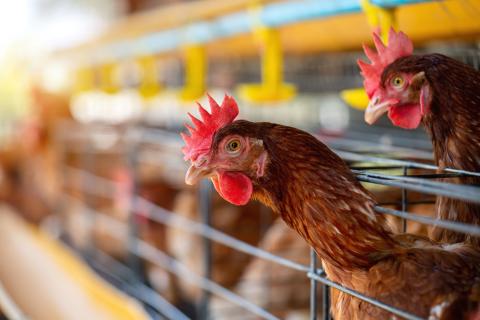
Avian influenza has returned to Spain this summer. In addition to a few cases in wild birds, since 18 July there have been several outbreaks in poultry in different autonomous communities, causing the country to lose its disease-free status. To answer questions about the situation, its possible causes, evolution and consequences, SMC Spain organised an information session with researchers Inmaculada Casas, Ursula Höfle and Elisa Pérez Ramírez.

The Planetary Health Diet promotes environmentally sustainable consumption, based, among other things, on increasing vegetable intake and reducing dairy and red meat consumption. Previous studies had found an association with better human health, although there were some conflicting results. Now, a study combining two cohorts of more than 150,000 people and a meta-analysis of 37 studies involving more than three million volunteers reinforces this association, finding that greater adherence to the diet is associated with lower all-cause mortality. The results are published in the journal Science Advances.
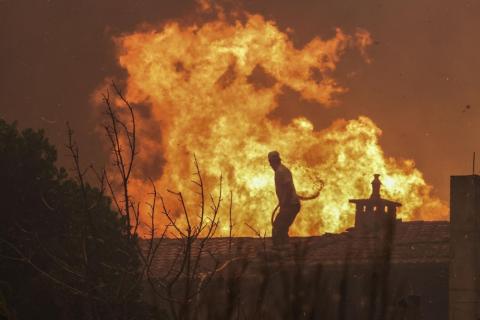
Climate change has made the hot, dry and windy weather conditions that spread fires across the Iberian Peninsula 40 times more frequent and 30% more intense than in the pre-industrial climate, according to a rapid study by World Weather Attribution. The ten-day heatwave was also 200 times more likely and 3°C hotter due to climate change. The study, which analysed weather observations rather than climate models, warns that fires in Europe are overwhelming firefighting resources and highlights the importance of controlling vegetation in affected areas.
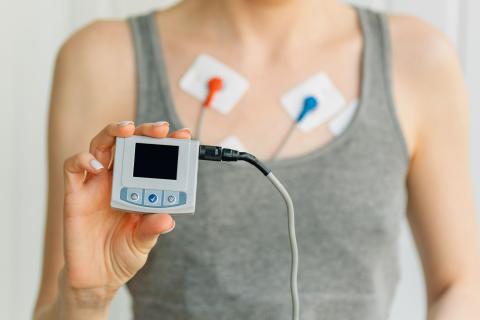
An international team has analysed gender representation in more than 1,000 clinical trials on cardiovascular disease between 2017 and 2023, involving more than one million people. Although female participation has increased, especially in areas such as obesity and heart failure, women continue to be underrepresented overall compared to men. The results, presented at the European Society of Cardiology (ESC) Congress held in Madrid from 29 August to 1 September, are published in JAMA Network Open.
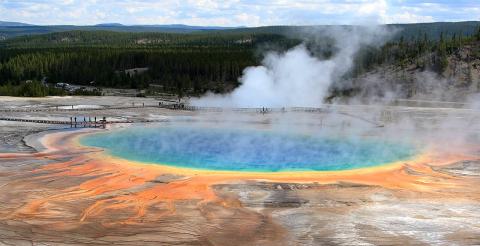
Amino acids are the building blocks of proteins. These are known as the building blocks of life, but they cannot replicate themselves. To do so, they need the instructions provided by RNA. How this relationship began is still a mystery. Now, a British team has shown how it could have started from relatively simple conditions. According to the researchers, who published their findings in the journal Nature, ‘understanding the origin of protein synthesis is fundamental to understanding where life comes from.’
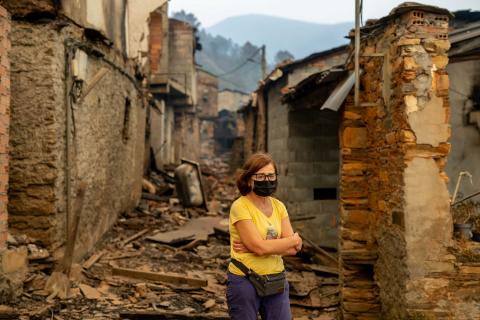
A US team has analyzed the evolution of the global population exposed to forest fires between 2002 and 2021. The study indicates that the number of people exposed has increased by 40%, despite a 26% reduction in the area burned. This is mainly due to the increase in the population living in urban-forest interfaces. 85% of exposures occurred in Africa, even though forest fire disasters in North America, Europe, and Oceania have received most of the attention, notes the study, which is published in the journal Science.
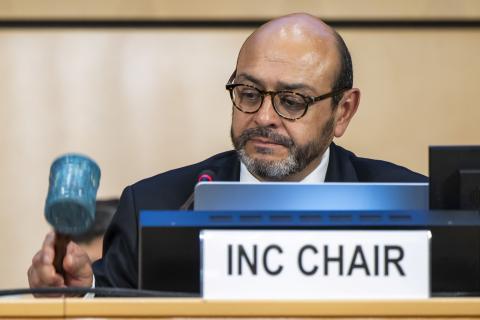
After 10 days of meetings and beyond the deadline, representatives from more than 180 countries gathered at the UN headquarters in Geneva (Switzerland) have failed to agree on a global treaty against plastic pollution, the first legally binding one. This negotiation was, in principle, the last chance to reach an agreement, after the last meeting in Busan (South Korea) also ended without a treaty in December, two and a half years after negotiations began.
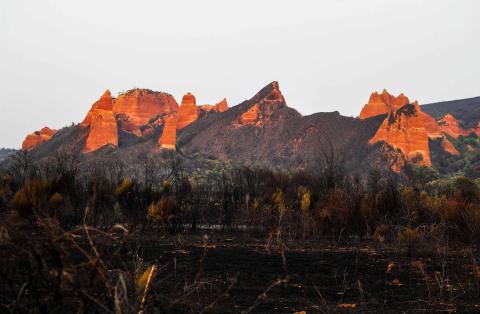
The fire in Yeres (León) has burned the Las Médulas natural area, included in UNESCO's World Heritage List since 1997. Yesterday, the president of the Regional Government of Castile and León, Alfonso Fernández Mañueco, announced a specific plan for the recovery and improvement of this area. At a press conference, he assured that all the vegetation cover in the area will be restored and a forest restoration plan will be carried out.
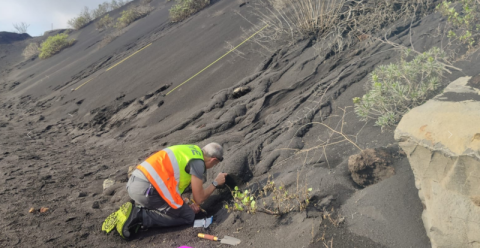
In 2021, the eruption of the Tajogaite volcano on the Canary Island of La Palma caused the loss of 53,000 tonnes of bananas, equivalent to 50% of its production, which is essential to the local economy. Given the potential risk of contamination from ash and magma, a team of researchers from Spanish centres analysed the composition of bananas in the area of the eruption. The study, conducted using mass spectrometry and published in PLOS One, confirms that they are safe and healthy to eat. For most potentially toxic elements, the estimated maximum intake remained below 1% of the tolerable daily intake (TDI) and in no case exceeded 3% of the TDI.
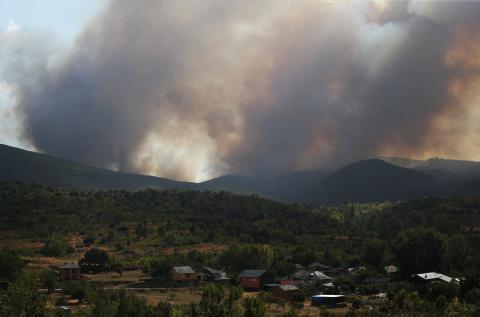
Several areas in the region of El Bierzo in León and the province of Zamora have seen numerous forest fires in recent hours, forcing more than a thousand people from different municipalities to evacuate. One person has died. The flames have affected the Las Médulas natural area, listed by UNESCO as a World Heritage Site. Another fire in Tarifa (Cádiz) has forced the evacuation of hundreds of people, and also in Tres Cantos (Madrid), where one person died. In addition, there are active outbreaks in several areas of Galicia. The government declares a pre-emergency phase.