Spanish National Research Council (CSIC)
If you are the contact person for this centre and you wish to make any changes, please contact us.
'Ramón y Cajal' postdoctoral researcher at the Biologial Mission of Galicia and head of the ECOP research group – Landscape Ecology
Senior Scientist at the Spanish Institute of Oceanography, IEO-CSIC
Senior scientist at the CSIC at the Animal Health Research Centre (CISA), National Institute for Agricultural and Food Research and Technology (INIA)
Researcher at the Instituto Cajal, CSIC
Doctor in Ecology and postdoctoral researcher at the National Museum of Natural Sciences (CSIC) in Madrid
Professor of Economics at Durham University (United Kingdom), Research Professor at the Spanish National Research Council (CSIC) and Lead Author of the International Cooperation chapter of the IPCC's AR6
EMERGIA post-doctoral research in the Sky Quality Office
Research professor at public research organisations at the CSIC Institute of History, in the Department of Archaeology and Social Processes
Researcher at the Institute of Public Goods and Policies of the CSIC (IPP-CSIC)
CSIC research professor and expert in food safety and water quality
Head of the Epidemiology and Environmental Health research group at CISA, INIA-CSIC.
Senior scientist at the Institute for Biomedical Research of Barcelona (IIBB-CSIC), principal investigator at CIBERSAM and head of the Systems Neuropharmacology group at IDIBAPS-Fundació Clínic.
Research Professor at the Doñana Biological Station (EBD-CSIC)
Director of the Institute of Neurosciences, a joint centre of the Miguel Hernández University of Elche (UMH) and the CSIC
Research Professor at IMEDEA (CSIC-UIB)
Researcher at the Pyrenean Institute of Ecology (IPE)
Researcher at the Mixed Institute for Biodiversity Research (IMIB), CSIC-University of Oviedo-Principality of Asturias
Researcher at the Institute of Molecular and Cellular Biology of Plants (UPV-CSIC)
Professor of Theoretical Physics at the Institute of Corpuscular Physics (IFIC), University of Valencia - CSIC
Research professor in the Department of Paleobiology at the National Museum of Natural Sciences, CSIC
Scientific researcher at the CSIC at the Severo Ochoa Center for Molecular Biology
Research Professor at the Institute of Dairy Products of Asturias (IPLA-CSIC)
CSIC research scientist in the Department of Instrumental Analysis and Environmental Chemistry at the Institute of General Organic Chemistry (IQOG-CSIC)
Professor of Biochemistry and Molecular Biology at the Autonomous University of Madrid and deputy director of the Centre for Molecular Disease Diagnosis at the Centre for Molecular Biology (CBM-UAM-CSIC).
Researcher at the National Museum of Natural Sciences of the Spanish National Research Council (CSIC)
PhD in Biochemistry and Molecular Biology, CSIC research scientist at the Center for Astrobiology (CSIC-INTA), where he leads a group researching the origin of life and the development of biosensors, and science communicator.
Ramón y Cajal researcher at the Doñana Biological Station (EBD-CSIC)
Researcher at the CSIC, responsible for the Ocean-Climate System Assessment Unit and collaborator in international United Nations processes on climate change and oceans
Co-director of the Microbiome Analysis Laboratory and Research Professor
CSIC Tenured Scientist of the Q-MAD group at the Institute of Nanoscience and Materials of Aragon (INMA)
Researcher at the Department of Physical and Technological Oceanography of the Institute of Marine Sciences (ICM-CSIC).
Senior Scientist at the CSIC and researcher at the Centro de Biología Molecular Severo Ochoa
Postdoctoral researcher at the Institut de Biologia Evolutiva (CSIC- Universitat Pompeu Fabra).
Researcher at the Climate, Atmosphere and Oceans Laboratory (Climatoc-Lab) at the Desertification Research Centre (CIDE, CSIC-UV-GVA)
Professor of Animal Health at the Institute for Research in Game Resources (IREC) and head of the Health and Biotechnology Research Group (SaBio) at the University of Castilla-La Mancha
Neuroscientist researcher in physical exercise and memory at the Institute of Biomedical Research of Barcelona (CSIC)
Tenured Scientist and Honorary Associate Professor at the Joint Research Institute for Biodiversity (University of Oviedo–CSIC–Principality of Asturias) and Swansea University (United Kingdom)
CSIC research professor at CREAF (Centre for Ecological Research and Forestry Applications)
Principal investigator of the 3D Genomics group at the Andalusian Centre for Development Biology (CABD)
Researcher at the UAM-CSIC Institute of Theoretical Physics and in the Department of Theoretical Physics at the Autonomous University of Madrid
Research scientist at the CSIC Institute of Catalysis and Petrochemistry
Professor of Biochemistry and Molecular Biology at the University of Seville, principal investigator at CABIMER (CSIC-US) in the Laboratory of Cellular and Molecular Neuroimmunology
Director of the Water and Global Change Department
Researcher at the Institute of Interdisciplinary Physics and Complex Systems (IFISC-CSIC-UIB)
Senior Scientist in Social Sciences at INGENIO (CSIC-UPV)
Director of the Institute of Economy, Geography and Demography of the CSIC
Researcher at the Spanish Institute of Oceanography (IEO - CSIC)
Head of the Experimental Pharmacology and New Targets in Cardiopulmonary Disorders Group at the Margarita Salas Biological Research Centre - CSIC
Researcher at the Madrid Institute of Materials Science, CSIC, and member of the Nanostructured Hybrid, Biohybrid and Porous Materials group
Researcher at the Doñana Biological Station (CSIC)
CEO and founder of Marsi Bionics and a research scientist at the CSIC on leave of absence
Researcher in the Department of Infectious Diseases and Global Health at the Centre for Animal Health Research CISA-INIA, CSIC
Senior scientist at the Institute of Language, Literature and Anthropology of the CSIC, expert in climate anthropology
CIDEGENT Distinguished Researcher
Director of the Institute of Environmental Assessment and Water Studies (IDAEA-CSIC)
Honorary Doctor at the CSIC Institute of History, in the Department of Archaeology and Social Processes
Staff scientist at the Institute of Materials Science of Madrid – CSIC and member of the Supramolecular, Polymeric and Reticular Materials group
Group Leader in Nanomedicine and Molecular Imaging, Institute of Medicinal Chemistry (IQM) of CSIC
PhD in Biology, CSIC researcher and associate professor at the Universidad Rey Juan Carlos de Madrid
Scientist at the Center for Human and Social Sciences, IPP-CSIC, specialized in meta-research in public health, epidemiology and health services.
Doctor of Medicine specialising in Paediatrics, Rare Diseases and Molecular Genetics, research professor at the CSIC and chair of the Scientific Advisory Board of the Únicas Centre, Sant Joan de Déu Children's Hospital
Research Professor at the Eduardo Torroja Institute for Construction Sciences. Executive Vice-President of the Women and Science Commission of the CSIC.
Researcher in the Department of Soil and Plant Microbiology, Zaidín Experimental Station-CSIC
Research scientist at the Institute of Neurosciences in Alicante (CSIC-UMH), head of the Molecular Neurogenetics group
Researcher at the Institute of Geosciences, IGEO (CSIC-UCM)
Researcher, Instituto de Física Corpuscular
Tenured Scientist at the Barcelona Institute of Microelectronics (IMB-CNM) of the CSIC and member of the Radiation Detectors research group
Researcher at the Joint Institute for Biodiversity Research of the University of Oviedo
Research Professor leading the research group New platforms and nanodevices for quantum simulation and computing of the Madrid Institute of Materials Science (CSIC)
Professor of the Department of Theoretical Physics & IFIC of the University of Valencia - CSIC
Senior scientist in the Biotechnology Department at INIA-CSIC
Forestry engineer and senior scientist at the National Institute for Agricultural and Food Research and Technology (INIA-CSIC)
Research Professor in the Department of Biodiversity and Evolutionary Biology at the National Museum of Natural Sciences (MNCN-CSIC)
Ecologist. 'Ramón y Cajal' researcher working at EBD-CSIC (Doñana Biological Station)
Coordinator of the CSIC Global Health Platform and researcher at the Instituto de Biomedicina de Valencia (IBV-CSIC)
Principal investigator at the Institute of Evolutionary Biology (CSIC-UPF)
Scientist in the Epidemiology and Environmental Health research group at CISA, INIA-CSIC.
Postdoctoral researcher at Doñana Biological Station (EBD-CSIC)
Co-director of the coronavirus group at the National Biotechnology Centre (CNB-CSIC)
Head of the Cybermetrics Laboratory and Deputy Technical Director of the Institute of Public Goods and Policies (IPP-CSIC)
Researcher on the evaluation of science at Leiden University (Netherlands) and at the Ingenio Institute (CSIC-UPV)
Research professor at the Institute of Geosciences, IGEO (CSIC-UCM)
CSIC Group Leader at the Institute of Neurosciences (CSIC-UMH)
Researcher at the Centro de Investigación en Sanidad Animal (CISA-INIA/CSIC)
Researcher at the Madrid Institute of Materials Science, CSIC, and member of the Nanostructured Hybrid, Biohybrid and Porous Materials group
Senior scientist at the Fat Institute-CSIC
Professor ad honorem of the CSIC at the Severo Ochoa Centre for Molecular Biology
Research Professor at the Pyrenean Institute of Ecology (CSIC)
Planetary geologist and astrobiologist at the IGEO (CSIC-UCM). Academician of the Royal Academies of Sciences and Doctors of Spain. President of the Planetary Geology Commission of the Geological Society of Spain and of the Spanish Network of Planetology and Astrobiology.
Research Professor at the Institute for Environmental Diagnoses and Water Studies (IDAEA-CSIC) and Director of the Natural Risk Assessment and Management Service (NRAMS)
Research Professor at the CSIC, Department of Environmental Chemistry at the Institute of Environmental Diagnosis and Water Studies (IDAEA-CSIC)
CSIC research professor at CREAF
Research scientist at the Public Research Organisation (PRO) at the Institute of Biomedicine of Valencia of the Spanish National Research Council (CSIC) and principal investigator at CIBERNED
Researcher in the Department of Biogeography and Global Change at the National Museum of Natural Sciences (MNCN-CSIC)
Research professor at the Doñana Biological Station (CSIC)
Research Professor at the IAA-CSIC (Granada) and co-principal investigator of the SO/PHI instrument on board Solar Orbiter
Research scientist at the Institute of Mathematical Sciences (ICMAT, CSIC-UAM-UCM-UC3M), specialising in arithmetic geometry
Scientific researcher in the Water and Global Change Department of the Geological and Mining Institute of Spain (IGME-CSIC)
Head of the Concrete Laboratory Technical Unit, Deputy Technical Director of the Eduardo Torroja Institute of Construction Science at the CSIC
Senior Scientist at the Institute of Advanced Social Studies (IESA-CSIC)
Astrophysicist at the Instituto de Astrofísica de Andalucía (IAA-CSIC)
Scientific researcher at ICMAT and Vice-President for Scientific and Technical Research at CSIC
ICREA Research Professor at the Institute of Molecular Biology of Barcelona (IBMB)
CSIC researcher at the National Museum of Natural Sciences (MNCN) specialised in hydrological risks in the context of global change and member of the Risk Commission of the Geosciences Connection
Research Professor at CSIC and head of the CO2 Capture group at the Institute of Carbon Science and Technology (INCAR)
Senior Scientist at the Animal Health Research Centre (CISA) of the National Institute for Agricultural and Food Research and Technology (INIA-CSIC)
CSIC geologist and paleontologist at the Institute of Geosciences (CSIC-UCM)
Director of the Institute of Optics “Daza de Valdés”
Research professor at the Institute of Theoretical Physics (UAM-CSIC)
Research Scientist at the Institute of Fundamental Physics IFF-CSIC
Research professor at the Spanish National Research Council (CSIC) at the Institute of Corpuscular Physics (IFIC) in Valencia (University of Valencia-CSIC), co-principal investigator of the KM3NeT research team at IFIC and co-leader of the VEGA Group at IFIC
Senior Scientist in the Paleobiology Department of the National Museum of Natural Sciences (Madrid)
CSIC research professor (honorary) at the Instituto de Neurociencias de Alicante (CSIC-UMH) and member of the Royal Academy of Sciences of Spain
Researcher specializing in environmental chemistry at the Institute of General Organic Chemistry (IQOG-CSIC)
CSIC lecturer at CIDE (Centre for Research on Desertification), Valencia
Member of the Food Security and Environment Research Group of the Desertification Research Centre (Valencia)
PhD in Physics and tenured scientist at the Institute of Physics of Cantabria (CSIC-UC)
CSIC research professor at the Cajal Institute
Tenure scientist, PhD in Physics, specialising in superconductors, Instituto de Ciencia de Materiales de Madrid (CSIC).
Researcher in the Water and Global Change Department of the Geological and Mining Institute of Spain (IGME-CSIC)
CSIC researcher at CREAF and co-coordinator of the Laboratory for Biodiversity and Landscape Ecology
Research professor at the National Biotechnology Centre (CNB-CSIC) and at the CIBERER-ISCIII
Research Professor at CSIC at the Institute of Public Goods and Policies (IPP)
CSIC senior scientist, researcher in reproductive biology
CNB-CSIC Scientific Researcher at the CiMUS of the University of Santiago de Compostela, IDIS. Laboratory of Cell Senescence, Cancer and Aging
Virologist and immunologist at the Severo Ochoa Centre for Molecular Biology, coordinator of the CSIC interdisciplinary research platform on Global Health.
Researcher at the Instituto de Ciencia de Materiales de Madrid (ICMM, CSIC).
Researcher at the Institute for Food Science Research (CSIC-UAM)
Head of the Pathogenic Mechanisms of Alzheimer's Disease research group and researcher at the Severo Ochoa Molecular Biology Centre
Research Professor at the Institute for the Structure of Matter, CSIC
Researcher at Geosciences Barcelona (GEO3BCN - CSIC)
Senior Researcher at the Severo Ochoa Center for Molecular Biology (CBM-CSIC-UAM)
Head of the Immunometabolism and Inflammation Laboratory at the Center for Molecular Biology and scientific researcher at the Spanish National Research Council (CSIC)
Researcher in the Viral Immunology: Therapies and Vaccines group at the Margarita Salas Biological Research Center.
Senior Lecturer in the Department of Theoretical Physics at the University of Valencia and at the Institute of Corpuscular Physics (IFIC)
Virologist at the National Center for Biotechnology (CNB-CSIC)
CSIC research professor in the Department of Biogeography and Global Change at the National Museum of Natural Sciences and coordinator of the PTI-Agriambio platform
Research Professor at the CINN-CSIC and head of the Cancer Epigenetics and Nanomedicine group at the Institute for Health Research of the Principality of Asturias (ISPA)
Professor of Physics of the Earth in the Department of Physics at the UIB and researcher at IMEDEA
Head of the Cerebral Cortex Development research group at the National Center for Biotechnology (CNB-CSIC)
Research Professor at INGENIO (CSIC-UPV)
Research scientist at CSIC
Senior scientist at the Margarita Salas Biological Research Centre of the CSIC.
Tenured scientist CSIC & PI, Andalusian Center for Developmental Biology, CSIC-Pablo de Olavide University
Professor and researcher in the Department of Theoretical Physics at the Autonomous University of Madrid and at the Institute of Theoretical Physics (IFT UAM-CSIC), scientific coordinator of the entire NASA Fermi-LAT Collaboration between 2023-2025 and coordinator of the ‘Dark Matter and New Physics’ working groups of the Fermi-LAT gamma-ray collaborations (2014-16 and 2020-2022) and CTAO (2018-2020) collaborations
Full CSIC scientist.
Researcher at the Department of Organic Chemistry, Faculty of Science-Institute of Nanoscience and Materials of Aragon (INMA), University of Zaragoza-CSIC
Researcher at the Mixed Institute for Biodiversity Research (IMIB), CSIC-University of Oviedo-Principality of Asturias
Senior researcher in ecotoxicology
Nicolás Toro, CSIC Research Professor.
Principal Investigator of the Developmental Neurobiology Group at the Institute of Biomedicine of Valencia (CSIC)
Professor at the University of Valencia, former director of the Institute of Corpuscular Physics (IFIC), University of Valencia - CSIC
Research Scientist at the Department of Planetology and Habitability of CAB-INTA-CSIC
Senior Scientist at the Institute of Environmental Diagnosis and Water Studies at CSIC (IDAEA-CSIC) and visiting professor at SLU Swedish University of Agricultural Science (Sweden)
CSIC research professor in the Department of Metabolism, Inflammation and Ageing at the Institute of Biomedicine of Valencia (IBV-CSIC)
Industrial pollution researcher, member of the Environmental Geochemistry and Atmospheric Research group (EGAR)
Researcher at the Biodiversity Research Institute (CSIC-University of Oviedo-Principality of Asturias)
Research Professor in the Integrative Ecology Department at Doñana Biological Station (CSIC)
Researcher at the National Biotechnology Centre (CNB-CSIC)
Scientific researcher at the Plant Protection Products Unit of the National Institute for Agricultural and Food Research and Technology (INIA-CSIC)
Computer scientist and physicist, emeritus research professor at the CSIC, founder of the Institute for Research in Artificial Intelligence (IIIA-CSIC), honorary professor at Western Sydney University and a pioneer of AI research in Spain
Senior scientist at the Institute of Advanced Social Studies (IESA) of the Spanish National Research Council (CSIC)
CSIC researcher at the Centro de Investigación en Agrigenómica and member of COSCE
Principal investigator of the Metabolism and Regulation of Gene Expression group at the Institute of Biomedicine of Valencia (CSIC)
Principal investigator at the Severo Ochoa Molecular Biology Centre
Researcher specialized in ecology and evolution of antibiotic resistance.
Head of the Non-Invasive Neurofunctional Assessment Service at the Instituto de Investigaciones Biomédicas de Madrid - CSIC
Virologist at the National Biotechnology Centre (CNB-CSIC)
Research Professor at the Institute of Economics, Geography and Demography (IEGD) of the Spanish National Research Council (CSIC).
Contracted Lecturer, member of the SaBio Group at the Institute for Game and Wildlife Research (IREC) (CSIC-UCLM-JCCM)
Researcher CIDEGENT
Research Professor at CSIC at the Institute of Neurosciences (Alicante)
CSIC Research Professor at the National Center of Biotechnology
CSIC Research Professor at the Instituto de Diagnóstico Ambiental y Estudios del Agua (IDAEA), CSIC.
CSIC research professor, scientific director of the Cancer Research Centre, Salamanca, and former president of ASEICA
Head of the African Swine Fever Virus Laboratory at the Severo Ochoa Molecular Biology Center (CBMSO)

Researchers at Harvard Medical School have published new findings in Nature on the role of reduced lithium levels in Alzheimer's disease, based on experiments with mice and analysis of brain tissue and blood samples from humans. The team claims to have achieved improvements in memory in mouse models with lithium orotate. They caution that they have not proven that lithium is safe or effective in protecting against neurodegeneration in patients, and that their findings must be confirmed in humans through clinical trials.
Researchers in the United States have used stem cells created from patients with a very rare type of ALS, more prevalent in Brazil, to target a key gene in the stress response and reverse the damage suffered by motor neurons in the laboratory. They believe it is "a promising proof-of-concept for future therapeutic strategies" and "could help lay the foundation for genetically informed clinical trials".

Ahead of the anticipated conclusion of a United Nations global treaty on plastics, a group of international experts calls for greater attention to health effects when addressing plastic pollution. The work, published in The Lancet, reviews current evidence on how plastics—including microplastics and plastic chemicals—affect health, and announces the launch of a new project to monitor these effects.
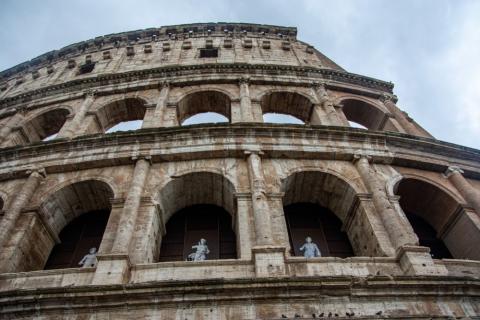
The concrete used by the Roman Empire was used to build aqueducts, bridges and buildings that have lasted for over two thousand years. A study analyses whether returning to this ancient material would help to decarbonise modern cement. According to the authors, reproducing the recipe would require a similar amount of energy and water, with similar CO2 emissions; however, its durability could make it a more sustainable option. It is published in the Cell Press journal iScience.
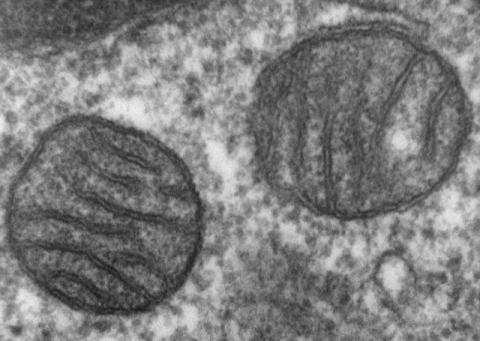
In 2015, the United Kingdom became the first country to pass legislation allowing the use of mitochondrial donation technology, pronuclear transfer. The technique is designed to limit, through in vitro fertilization, the transmission of mitochondrial DNA diseases in babies born to women who are at high risk, and for which there is no cure. Two studies published in the New England Journal of Medicine (NEJM) describe the results of the first treatments performed to date, from which eight babies have been born by mitochondrial donation, with reduced risk of disease.
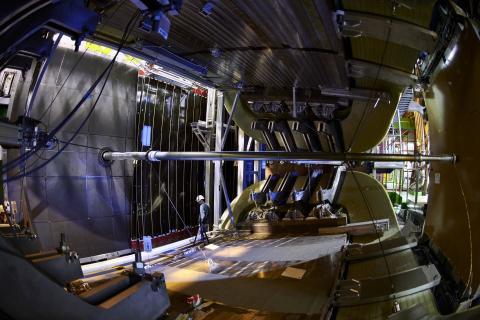
Cosmological models suggest that matter and antimatter were created in equal amounts in the Big Bang, but in the current universe matter seems to predominate over antimatter. This imbalance is believed to be due to differences in the behaviour of the two, a violation of symmetry known as CP violation. This effect was predicted by the Standard Model of Physics and observed experimentally in mesons more than 60 years ago. Now, the LHCb collaboration at CERN, which includes significant Spanish participation, has observed this phenomenon for the first time in the decay of baryons, particles that make up most of the matter in the observable universe. The study is published in Nature.
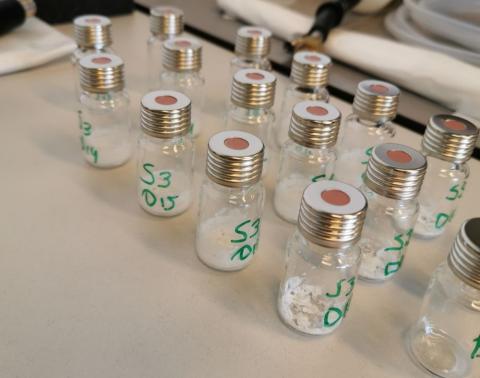
Most research on the presence of plastics in the seas has focused on macro- and microplastics. Now, an international team has analyzed the presence of nanoplastics - smaller in size - in different locations and depths of the North Atlantic Ocean, including areas near the European coasts. The results suggest that these may account for the majority fraction of the total mass of plastic in the oceans and that the total mass of marine plastic may be greater than previously thought. The work is published in the journal Nature.
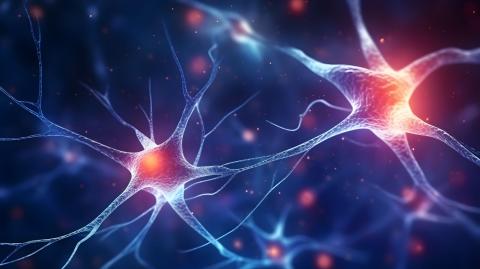
A team from Sweden has analysed post mortem brain samples from people aged between 0 and 78 using various techniques and found that, although it varies between individuals, new neurons continue to form in the hippocampus with no apparent age limit. Although previous studies had reached similar conclusions, controversy remains about these results. According to the authors, the new work ‘provides an important piece of the puzzle in understanding how the human brain works and changes throughout life.’ The results are published in the journal Science.
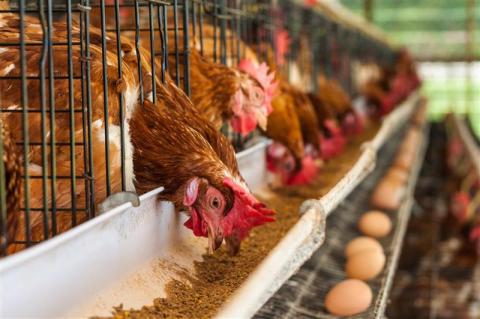
US Department of Health Secretary Robert Kennedy Jr's proposal to let bird flu spread in turkeys and chickens to identify surviving animals would be "dangerous and unethical", a group of scientists warns in a policy forum article published by Science. In addition to the suffering of infected animals, allowing a highly lethal, rapidly evolving and contagious virus to follow a natural course of infection "would prolong exposure for farmworkers, which could increase viral adaptation and transmission risks for poultry, other peridomestic animals, and humans," they warn.
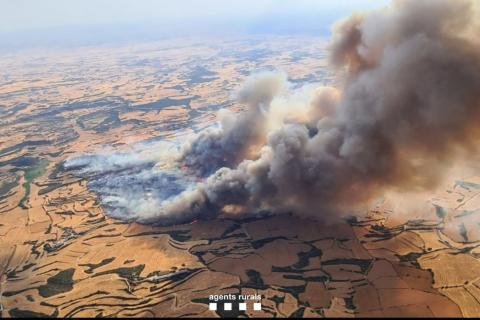
Two people have died in a fire that has burned more than 5,500 hectares in the province of Lleida. Firefighters from the Catalan government declared it under control last night, after 29 hours. Salvador Illa, president of the Catalan regional government, called for ‘maximum caution’ from the public, warning that ‘today's fires are not like those of the past, they are extremely dangerous,’ according to RTVE.es. Why is this fire considered extreme? What should you do when a fire breaks out? How can more fires be prevented? In this article, we have compiled explanations and basic recommendations with the help of expert sources.