Scientists

Scientists

For science to make the news in a rigorous and attractive way, good sources are needed. Because access to scientific knowledge is a citizen's right.

¿Qué me ofrece?

Help science make headlines with rigour and context. We’ll ask you for feedback on current events in your field and you can participate in the briefings we’ll organise. Need to prepare for an interview? Use our resources on science communication.

Icono
Cómo trabajamos

We’re on the lookout for controversial information about science and we will contact you for your analysis in your area. Do you want to be part of our sources? Contact us. We will not pass your contact details on to anyone else. You can find out more about how we work here.   

Título qué me ofrece
What we offer you
Título cómo trabajamos
How we work

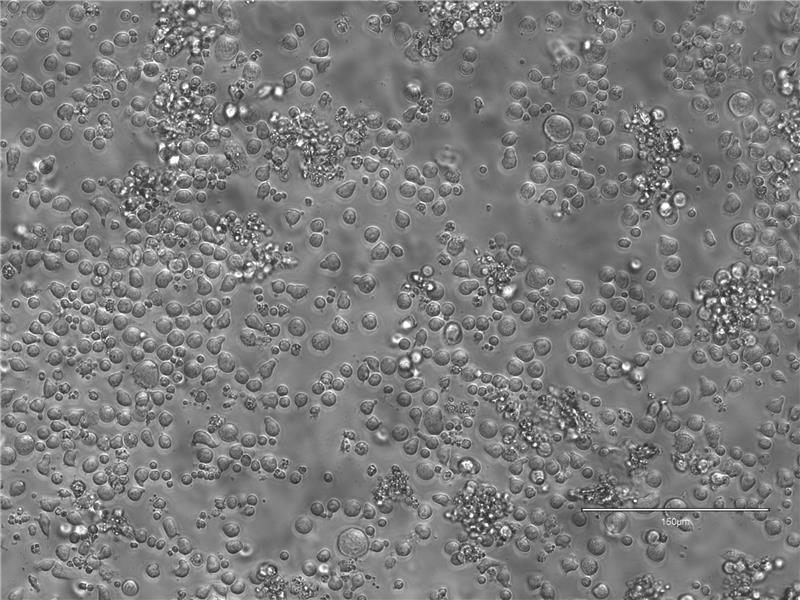
Non-invasive method assesses the quality of mouse oocytes and embryos

A new technique developed at the Institut de Bioenginyeria de Catalunya (IBEC) has succeeded in assessing the health of mouse oocytes and embryos in a non-invasive way, according to a study published in PNAS. The method generates 3D images to visualise the metabolism of oocytes and embryos obtained by in vitro fertilisation and makes it possible to select those that are most likely to implant and develop, say the authors.

0

EMA gives the green light to the first adrenaline nasal spray for the urgent treatment of allergic reactions

The Committee for Medicinal Products for Human Use (CHMP) of the European Medicines Agency (EMA) has recommended granting marketing authorisation in the European Union for Eurneffy (epinephrine), the first nasally administered medicine for the emergency treatment of allergic reactions. Anaphylaxis is the most severe form of allergic reaction that can occur within minutes of exposure to an allergen and can be life-threatening. Until now, treatment with epinephrine (also known as adrenaline) to reduce the anaphylactic reaction is done by intramuscular injection. 

0

A technique that silences prions in the brains of mice could be used to treat prion diseases and other neurodegenerative pathologies

In a new study in mice published in Science, researchers present CHARM, an epigenetic editor that can be used to silence prion protein throughout the brain. The tool offers a path to effective first-line treatment for patients with fatal prion diseases, as well as other neurodegenerative diseases caused by the toxic accumulation of unwanted proteins. 

0

A new genome editing technique using 'RNA bridges'

Two articles published in Nature describe a new genome editing technique that enables the insertion, inversion, or deletion of long DNA sequences at specific positions in the genome. This is a one-step approach that could offer a simpler method for genome editing in the future. The authors describe a technique to create reprogrammable recombinases—key enzymes in genetic recombination. These enzymes are guided by RNA, which acts as a bridge, directing the recombinase to target sites and facilitating predetermined editing.

0

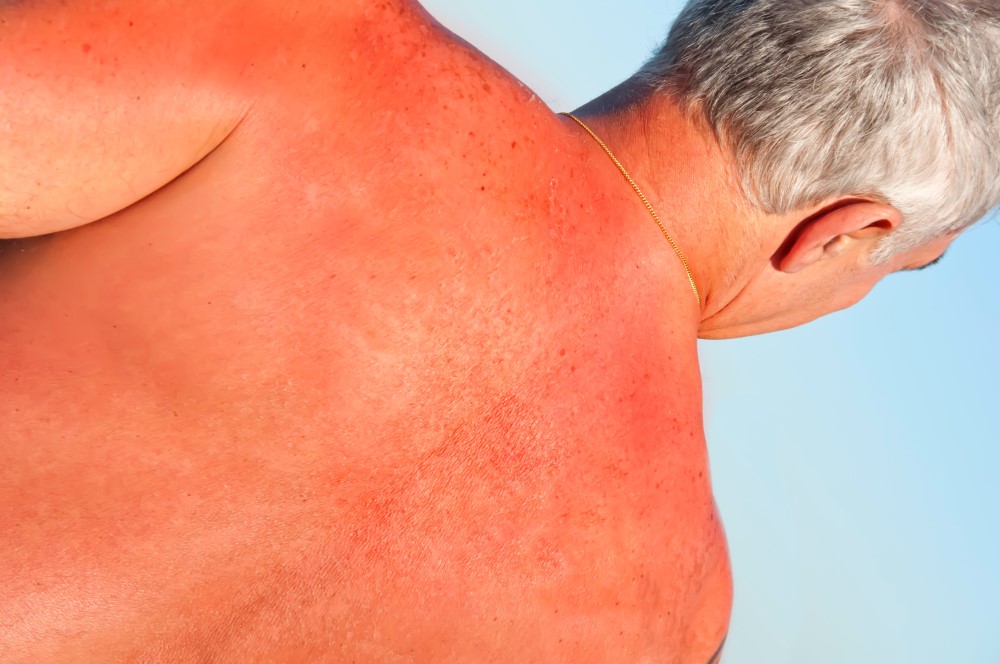
Myths and doubts on sunscreens

The risks of ultraviolet radiation are well-known: it can cause everything from burns and spots to immune system alterations, cataracts, infections, and skin cancer. We need to protect ourselves from the sun, but do we really know how to do it? What is myth and what is reality? We answer the main questions when it comes to using sunscreens. 

0

Ketamine in pill form is effective and safe against depression resistant to other treatments

Ketamine extended-release tablets are effective, safe and well tolerated in patients with depression resistant to other treatments, according to a phase 2 clinical trial. Compared to intranasal or intravenous use of ketamine, these oral tablets are easier to administer and would provide less dissociative intensity, lower risk of abuse and cardiovascular adverse effects, the authors write in Nature Medicine. 

0

New genetic predisposition to obesity linked to a blood group described

About one in 5,000 people have a genetic variant in the SMIM1 gene that results in a particular type of blood type called Vel negative. An international team of researchers now describes the same variant as being associated with a predisposition to obesity, metabolic disturbances and lower resting energy expenditure. Women studied with the variant weigh, on average, 4.6 kg more, while in men the difference is about 2.4 kg. The results are published in the journal Med, published by the Cell group. 

0