Scientists

Scientists

For science to make the news in a rigorous and attractive way, good sources are needed. Because access to scientific knowledge is a citizen's right.

¿Qué me ofrece?

Help science make headlines with rigour and context. We’ll ask you for feedback on current events in your field and you can participate in the briefings we’ll organise. Need to prepare for an interview? Use our resources on science communication.

Icono
Cómo trabajamos

We’re on the lookout for controversial information about science and we will contact you for your analysis in your area. Do you want to be part of our sources? Contact us. We will not pass your contact details on to anyone else. You can find out more about how we work here.   

Título qué me ofrece
What we offer you
Título cómo trabajamos
How we work

Home brain stimulation device improves symptoms of depression, clinical trial finds

A phase 2 clinical trial has tested the efficacy and safety of a transcranial magnetic stimulation device used at home to treat major depression in 174 patients. After dividing them into two groups, one group received the treatment and the other a placebo procedure. After ten weeks, both groups had improved their symptoms, but the improvement in the active treatment group was 0.4 points greater on the Hamilton depression scale. According to the authors, who publish the results in the journal Nature Medicine, ‘it could potentially serve as a first-line treatment for major depression’.

0

Self-harm remains neglected globally, with at least 14 million episodes per year

A report by the Lancet Commission on Self-Harm highlights that at least 14 million episodes of self-harm occur each year - particularly among young people and in low- and middle-income countries. The paper argues that their impact has been neglected by governments globally and sets out a series of recommendations to reduce their incidence. 

0

Report estimates 8% loss of GDP by 2050 due to global water crisis

An international report by the Global Commission on the Economics of Water says the water crisis puts more than half of the world's food production at risk by 2050. It also claims that it threatens an average loss of 8% of GDP in countries around the world by 2050, with losses of up to 15% in the lowest income countries. 
 

0

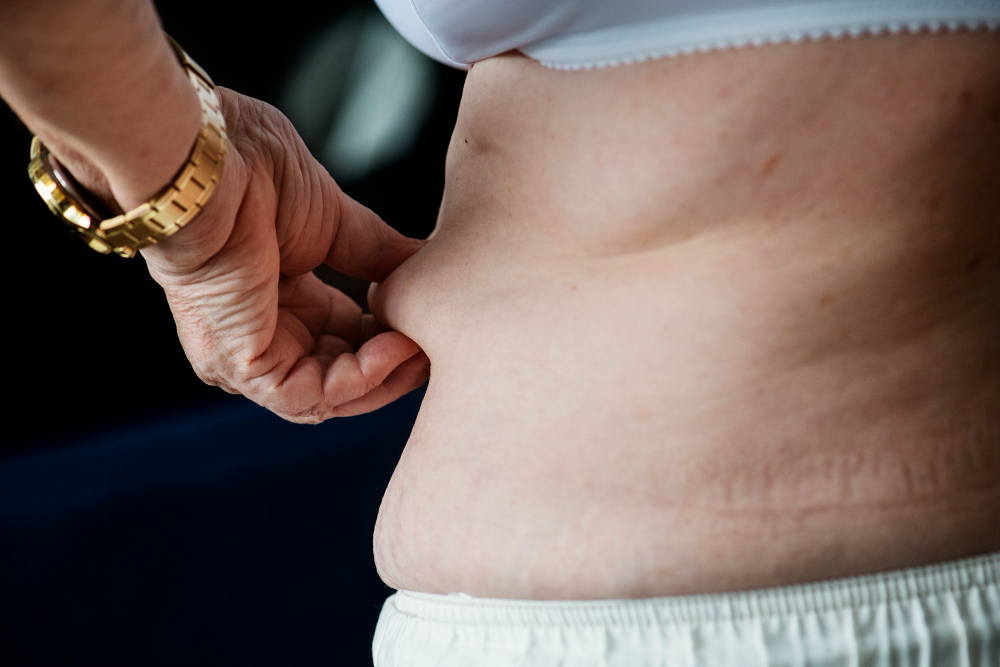
40% of the most common breast tumours can be attributed to excess body fat in postmenopausal women

A study conducted in several Spanish provinces has analysed the relationship between breast cancer and obesity in more than 2,000 postmenopausal women. Its findings are that around 40% of estrogen receptor positive (ER+) cases - the most common type - can be attributed to excess body fat (above 40%). This is much higher than the 10% considered attributable when only a high body mass index is taken into account. The results are published in the Journal of Epidemiology and Community Health.

0

A soccer project in prisons improves the behaviour of inmates and their chances of reintegration

The Twinning project is a UK-based initiative that organises soccer-based programmes, with the collaboration of professional clubs such as some Premier League clubs, to improve the mental and physical health of prisoners. Research has studied the behaviour of more than 670 of these participants and a group that did not participate, as well as collecting data related to the possible reintegration of those who were in this programme. According to the authors, who publish their research in the journal Nature Human Behaviour, ‘the results indicate that social bonding is associated with better behaviour in prison and a greater willingness of host communities to support reintegration efforts’.

0

Open or Closed Artificial Intelligence: How Science Suffers When Technology is in the Hands of Big Companies

Two of the Nobel Prize winners in Chemistry 2024 are employees of Google DeepMind, who caused significant unrest among their colleagues in May. Hassabis and Jumper announced in *Nature* the results of their AlphaFold 3 model, with applications in drug design; however, they published it in a closed manner, with reviewers not even having access to the system, which contradicts the basic principles of scientific publication. We risk having the transformative potential of AI controlled by big tech companies.

1

Europe faces a seed dispersal crisis due to changes in animal populations

An international team of researchers has reconstructed the first European seed dispersal network based on a literature review. The data indicate that extinction threats and demographic changes in the animals that disperse them have resulted in 30% of plant species having their dispersers listed as 'high concern.' The lack of seed dispersal could hinder the recovery of declining plant populations. The authors publish their results in the journal Science. 

0