
AlphaCode, the Artificial Intelligence (AI) system for developing computer code developed by DeepMind, can achieve average human-level performance in programming competitions, according to a study published in Science. This could shift the work of programmers to formulating problems for AI to solve.
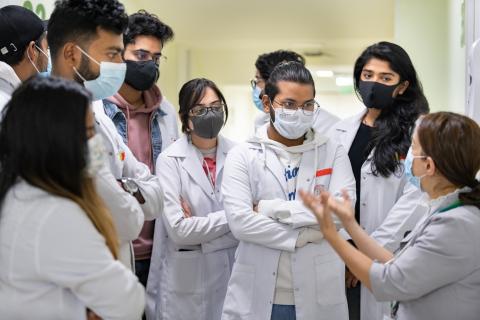
The World Health Organisation (WHO) has published a report with data reported by 87 countries in 2020 warning of increasing antibiotic resistance in bacterial infections in humans. The report shows resistance levels of more than 50 % in bacteria that frequently cause bloodstream infections in hospitals, such as Klebsiella pneumoniae and Acinetobacter spp.
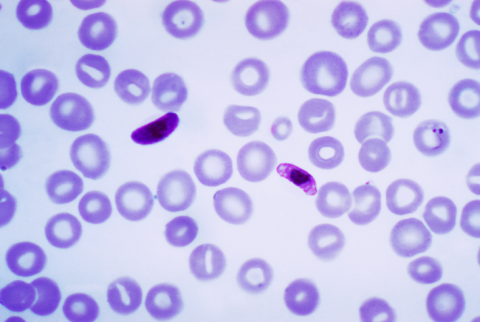
An experimental malaria vaccine has shown protection for at least six months, according to a clinical trial in 112 adults in Burkina Faso. The results are published today in the journal Science Translational Medicine.
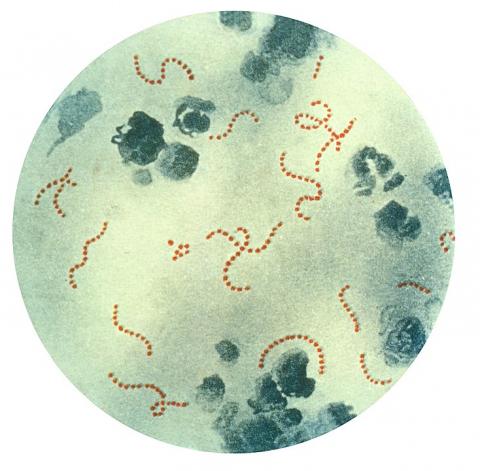
In recent weeks, the UK Health Safety Agency has detected an unusual increase in infections with Streptococcus pyogenes bacteria. At least 13 children under the age of 15 have died from this pathogen, which is responsible for mild infections but also for more serious conditions such as invasive disease. The Spanish Society of Paediatric Infectious Diseases has reported that there have been some deaths in Spain - the Community of Madrid has reported two deaths - and is analysing whether there has been an unusual increase in cases.

A genetic association study using data from more than three million people has found nearly 4,000 variants associated with smoking and alcohol consumption. The results are published in the journal Nature.

The UK Health Safety Agency (UKHSA) has detected an unusual increase in Streptococcus pyogenes infections in the last month. This bacterium is responsible for mild infections, but also for more serious conditions such as scarlet fever and, above all, invasive disease. The British authorities have raised the alarm after at least eight children died from this pathogen. In Spain, the Spanish Society of Paediatric Infectious Diseases has reported that there have also been some deaths and is analysing whether there has been an unusual increase in cases.
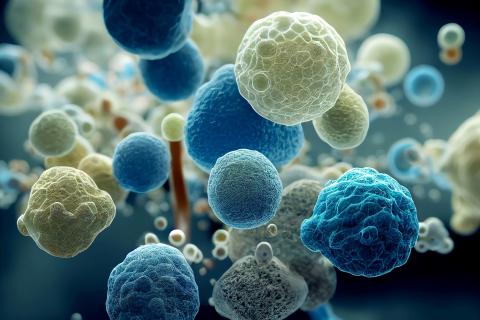
Two studies published in the journal Nature Communications have found specific characteristics in the microbiota of people with depression, including populations of different ethnicities and habits.

Research involving 10,775 adults shows that a higher percentage of daily energy intake from ultra-processed foods was associated with cognitive impairment. The results are published in the journal JAMA Neurology.
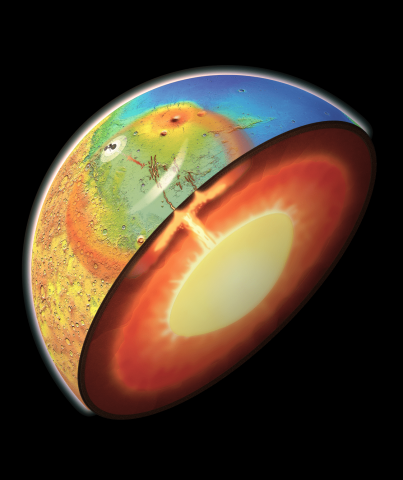
A study published in the journal Nature Astronomy suggests the existence of an active mantle plume on Mars - a column of material from the mantle that generates hot spots - with a diameter of about 4,000 kilometres, which would explain its geological activity. The planet was traditionally considered to be geologically inert at present.

All researchers who collaborate with SMC Spain or with the media in assessing scientific news must declare their potential conflicts of interest. Below we explain our policy for declaring these possible conflicts.