
The World Health Organisation (WHO) has issued a statement recommending skin-to-skin contact immediately after birth to improve the survival of premature and low birth weight babies. Until now, in clinical practice it was common for the first phase after birth to take place in the incubator.

At current CO2 emission levels, there is a 50 % chance of exceeding 1.5°C warming in nine years. This is one of the conclusions of the Global Carbon Budget 2022 report presented by its coordinator, researcher Pep Canadell, at a briefing organised by SMC Spain.

The Global Carbon Project (GCP) today releases its Global Carbon Budget 2022 report. The main conclusion is that there is no sign of a decrease in global CO2 emissions and, at current levels, there is a 50 % chance of exceeding 1.5°C warming in nine years. The results will be published in the journal Earth System Science Data.

An international team with WHO participation concludes that global covid-19 infection rates may be higher than reported. The research, published in the journal PLOS Medicine, is based on a systematic review and meta-analysis of seroprevalence studies published between 1 January 2020 and 20 May 2022.

Research published in the journal PLOS Medicine has studied the occurrence of sequelae following covid-19 in 46% of the German population. It concludes that they affect all ages, including children and adolescents.

Research published in the journal Nature Medicine examines the health consequences of covid-19 reinfections.
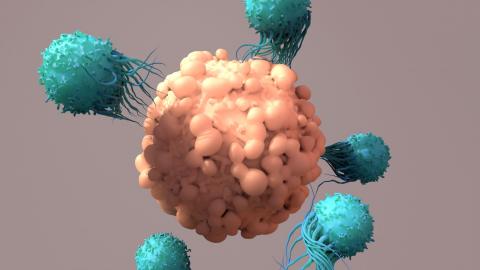
A pioneering phase 1 clinical trial has tested a type of cancer immunotherapy. Researchers have modified patients' own T-lymphocyte receptors using the CRISPR tool to direct them against specific targets on their own tumours. The results are published in the journal Nature.
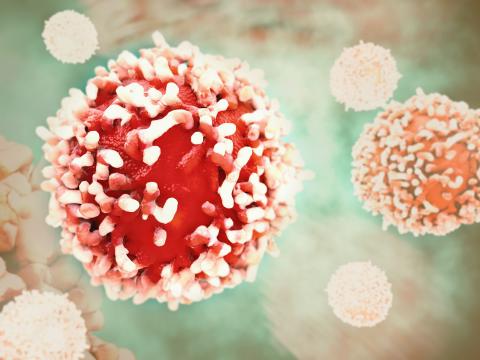
Research to be published in the journal Nature identifies and characterizes the cells responsible for relapse in colon cancer. In addition, it proposes revising clinical guidelines and administering immunotherapy before surgery to try to avoid them

Research published in the journal Nature identifies the neurons that enabled nine paralysed patients to walk again after electrical stimulation of the spinal cord.
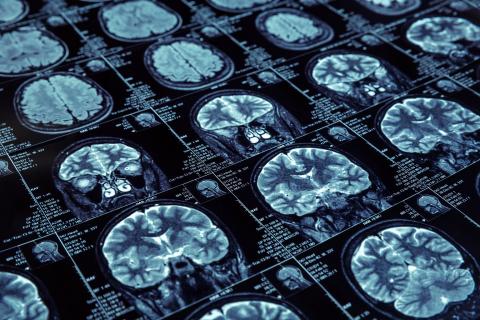
People with Down syndrome are at high risk of developing dementia very similar to that caused by Alzheimer's disease. A study published in the journal PNAS has found that in these people, as had been observed in "classic" Alzheimer's, the characteristic proteins of the disease have prion-like features.