
In a briefing organised by the Science Media Centre Spain, Amparo Larrauri and Francisco Pozo, researchers at the Health Institute Carlos III, explained how three respiratory viruses are coexisting this autumn: influenza virus, respiratory syncytial virus (responsible for most bronchiolitis) and SARS-CoV-2.
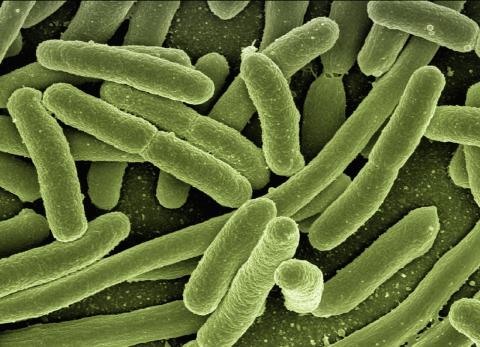
Bacterial infections were the second leading cause of death in 2019. This is according to research published in The Lancet, which estimates that one in eight deaths that year was associated with bacterial pathogens. Five of these - S. aureus, E. coli, S. pneumoniae, K. pneumoniae and P. aeruginosa - accounted for more than half of all bacteria-related deaths.

After two long weeks of negotiations and outside the official deadline, COP27 has reached an agreement to create a loss and damage fund to help the most vulnerable countries face the impacts of the climate crisis. However, other issues such as greater ambition in mitigation strategies to avoid exceeding 1.5ºC of warming and less dependence on fossil fuels have not achieved the commitment of all parties.

The EMA's annual European Surveillance of Veterinary Antimicrobial Consumption (ESVAC) report shows that sales of antibiotics for animal use have decreased by 47% between 2011 and 2021. In addition, sales of antibiotics considered "critically important" for use in humans have also decreased.

Using genetic data from more than 340,000 participants of European descent, research has identified five genetic variants that make people more susceptible to myopia in combination with intensive schooling, especially university studies. The results are published in PLOS Genetics.

The widening gap between disposable income and house prices is strongly correlated with poor health, preventable deaths and suicide, according to a study using data from 27 countries, including Spain, between 2000 and 2019. The research is published in the Journal of Epidemiology & Community Health.
A study of hospitalised young people in the United States concludes that those with a diagnosis of gender dysphoria are four to five times more likely to be hospitalised for a suicide attempt or to have attempted self-harm. The research is published in The Lancet Child & Adolescent Health.
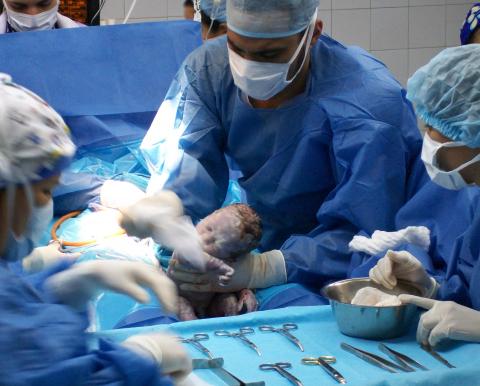
A study has found a link between caesarean delivery and changes in the microbiome, as well as a reduced response to pneumococcal and meningococcal vaccines in children. The results are published in the journal Nature Communications.

After almost three months of delays caused by various technical problems and two hurricanes, the Artemis I mission was successfully launched this morning, the first of a programme that will take the first woman astronaut to the moon. It has 42 days ahead of it, during which the spacecraft will orbit our satellite and test the stability of this lunar orbit, because in the future a space station will be located there to receive the astronauts on their journey from Earth.

A panel of experts set up by the journal The Lancet Oncology analyses the impacts of the covid-19 pandemic on cancer treatment and research and makes recommendations to mitigate these problems. With an estimated one million cancer diagnoses lost across Europe in the past two years, the team warns that the continent is heading for a cancer epidemic in the next decade if health systems and cancer research are not urgently prioritised.