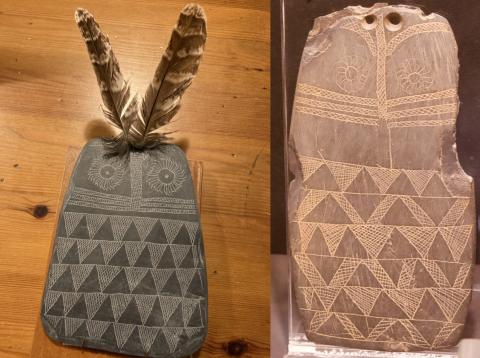
Some 4,000 engraved slate plaques resembling owls have been found in tombs and graves on the Iberian Peninsula dating back to the Copper Age. It has been speculated that they may have had a ritual significance. Spanish scientists have analysed 100 of these plaques and propose, in an article published in Scientific Reports, that they may have been carved by children for play.

A study published in PLOS ONE reveals that more than 2,600 bacteria live on average on each floating microfibre in the Mediterranean Sea, belonging to 195 bacterial species. This waste from plastic pollution, textiles and fishing activities, once colonised, smells like food and is consumed by marine animals. Among them, pathogenic Vibrio species have been found, a bacterium that can be a threat to bathing and seafood consumption.
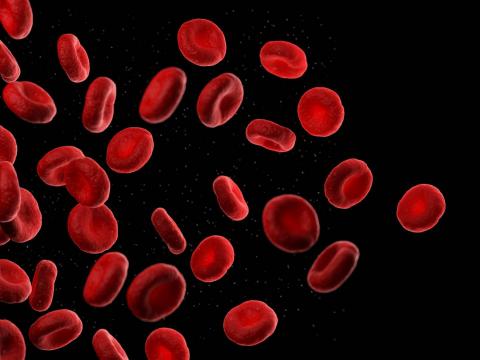
A ketogenic diet, high in fat and low in carbohydrates, could increase platelet production and alleviate the low platelet counts caused by chemotherapy treatments. This is the finding of a small study published in the journal Science Translational Medicine.
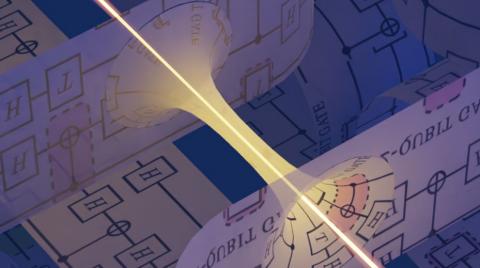
The journal Nature publishes a quantum simulation of a holographic wormhole on a quantum processor. The demonstration, carried out with the Google Sycamore processor, represents a further step towards the possibility of studying quantum gravity in the laboratory.
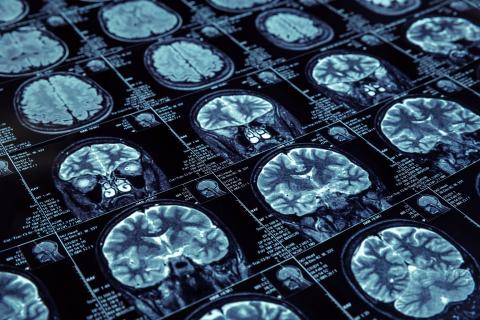
A few weeks ago, a press release from the Biogen and Eisai companies reported significant results from their lecanemab antibody for the treatment of early-stage Alzheimer's. The data from the phase 3 trial are now published in the New England Journal of Medicine, coinciding with the CTAD conference on Alzheimer's disease clinical trials in San Francisco. Data from the phase 3 clinical trial are now published in the New England Journal of Medicine, coinciding with the 15th CTAD Alzheimer's disease clinical trials conference in San Francisco.
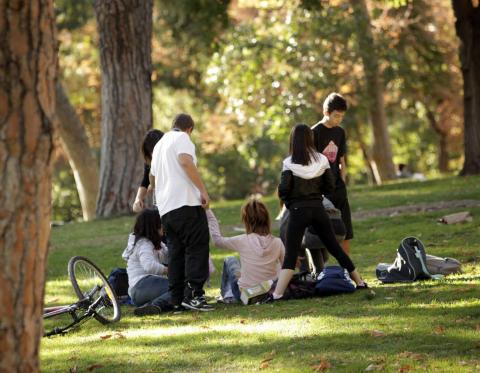
A study in Spanish children, with follow-up from pregnancy to adolescence, has found an association between children's exposure to pesticides and fungicides and earlier breast development in girls and genital development in boys. The work has been carried out by the University of Granada (UGR), the Institute for Biosanitary Research (ibs.GRANADA) and CIBERESP (ISCIII).
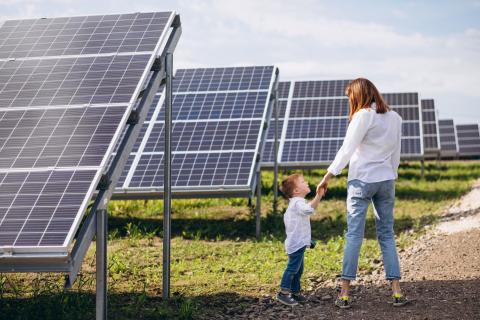
Based on the Decalogue of recommendations for climate change communication signed in 2018 by more than 80 media outlets, environmental communication professionals from all over Spain, together with the scientific team of the Climate Change Communication Observatory, have drawn up the new Decalogue 2022, a guide for the social communication of the climate crisis. A summarised version is reproduced below.
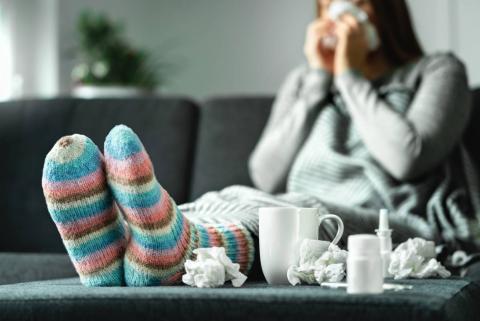
A study published in the journal Science reports preclinical results of a new vaccine model that is intended to work against all types of influenza. The prototype, which uses mRNA-based technology, includes antigens from all 20 known influenza subtypes.
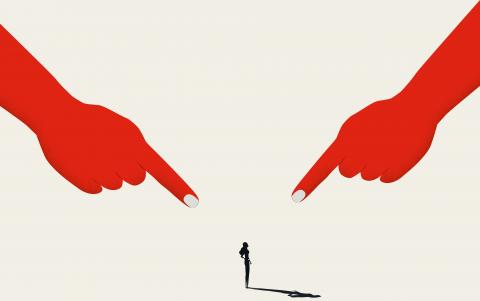
When science hits the headlines, there are controversial issues that generate criticism of scientists. If they become attacks, they should be reported to the research centre and to the authorities. We summarise and adapt the UK SMC's recommendations in these situations.
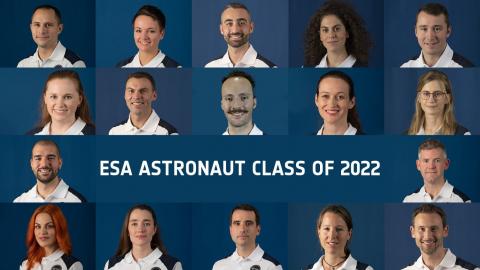
The European Space Agency (ESA) has just announced who will form part of its new generation of astronauts and there are two Spaniards among those selected: Pablo Álvarez and Sara García (the latter, in reserve). They thus become the third and fourth Spanish astronauts in history, after NASA's Michael López-Alegría (with Spanish and US nationality) and Pedro Duque, the first Spanish astronaut to be selected by ESA in 1992. No Spanish candidate was selected in the European agency's 1998 and 2008 calls for applications.