
For the second time, Donald Trump has won yesterday's US presidential election. The Republican leader returns to the White House four years later, after a first term in office with climate policies that ran counter to scientific evidence. Among other controversial measures, he abandoned the Paris Agreement and repeatedly denied the existence of climate change.

Unmarried people - whether single, divorced/separated or widowed - have a higher risk of having depressive symptoms than married people, says an international study. The paper, published in Nature Human Behaviour, includes data from more than 100,000 adults in China, Indonesia, Ireland, Korea, Mexico, the UK, the USA and the UK.

A study by a team from the ClimaMeter project claims that the intensification of rainfall from the DANA that devastated Valencia and other regions on 29 October is mainly attributed to human-induced climate change. Natural climate variability, on the other hand, probably played a modest role. According to the analysis, this DANA was driven by very exceptional weather conditions. The work also shows that the DANA-like depressions that cause flooding in the southeastern peninsular are up to 15 % wetter than they were in the past. In addition, temperatures are up to 3°C warmer, which favours storm formation in these events over the Mediterranean basin.
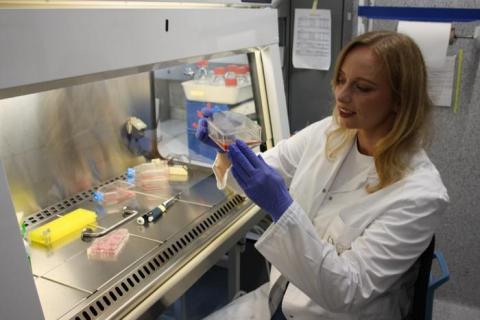
A team of researchers led by the Center for Genomic Regulation in Barcelona has mapped the human spliceosome for the first time. This complex and partially unknown cellular machinery is responsible for cutting and splicing the RNA fragments encoded by genes in different ways, making it possible to obtain a wide variety of proteins from the same sequence. Its alteration is related to processes such as cancer, neurodegenerative processes or various rare diseases. According to the researchers, who publish the results in the journal Science, “by knowing exactly what each part does, we can find completely new angles to address a broad spectrum of diseases”.
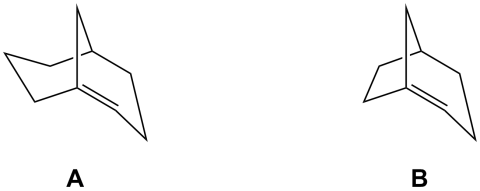
A research team describes in the journal Science how to create organic molecules whose geometry breaks the so-called Bredt's rule. According to this 1924 rule, double bonds between two carbon atoms cannot exist at certain positions in a molecule. Until now, this rule has limited the types of molecules that scientists can imagine and make.

The restriction of sugar during the first 1,000 days of life, starting from gestation, may protect against diabetes and hypertension in adulthood, according to a study published in Science. The research uses data from sugar rationing implemented in the United Kingdom after World War II. The findings highlight the long-term benefits of reduced sugar intake during early development.
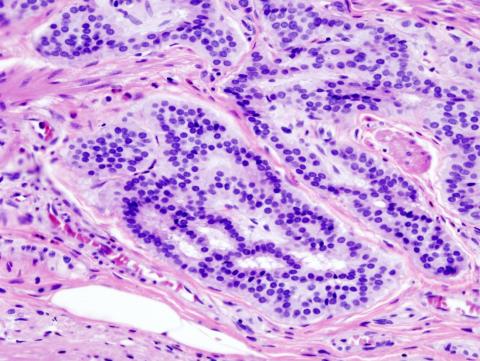
The HTAN (Human Tumor Atlas Network) consortium is simultaneously publishing 11 papers in different journals of the Nature group. These include analyses of the architecture of tumors and their environment in more than 2,000 patients and twenty different locations, which will make it possible to study how they start and evolve. Among the novelties found are new clues about the development of metastasis and resistance to treatments, and the finding that colorectal cancer can arise from multiple cells with different mutations that act collectively, instead of from a single initial clone as previously thought.

The devastating effects caused by the DANA over the peninsula and the Balearic Islands in large parts of the Mediterranean area, especially in the Valencian Community and some regions of Andalusia, are a wake-up call on the relationship between these extreme events and climate change.

A team of researchers from the United Kingdom has conducted a phase 2/3 clinical trial in people with a psychotic disorder to study the efficacy of interaction with a digital avatar in alleviating the discomfort generated by hearing voices. After analyzing it in 345 people, they conclude that it can reduce the frequency of occurrence at 16 and 28 weeks. The discomfort provoked is reduced at 16 weeks, but not at 28 weeks. The team publishes the results in the journal Nature Medicine.
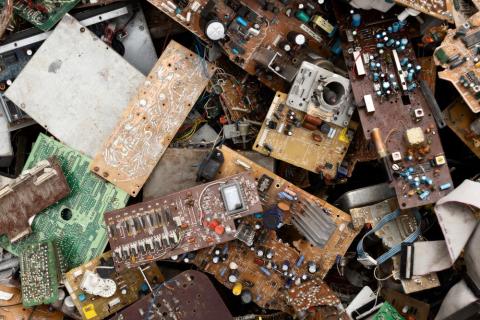
The development of generative artificial intelligence, and in particular of large language models, could generate between 1.2 and 5 million tonnes of accumulated electronic waste between 2020 and 2030, according to a study published in Nature Computational Science. The study estimates the mass of waste generated by hardware elements such as processing units, storage units and power supply systems.