epidemiology

epidemiology

epidemiology

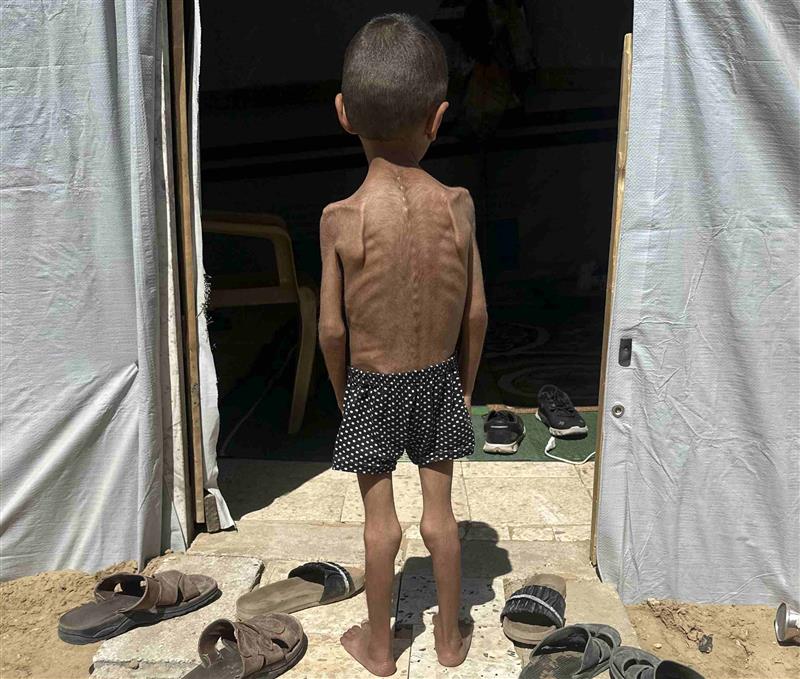
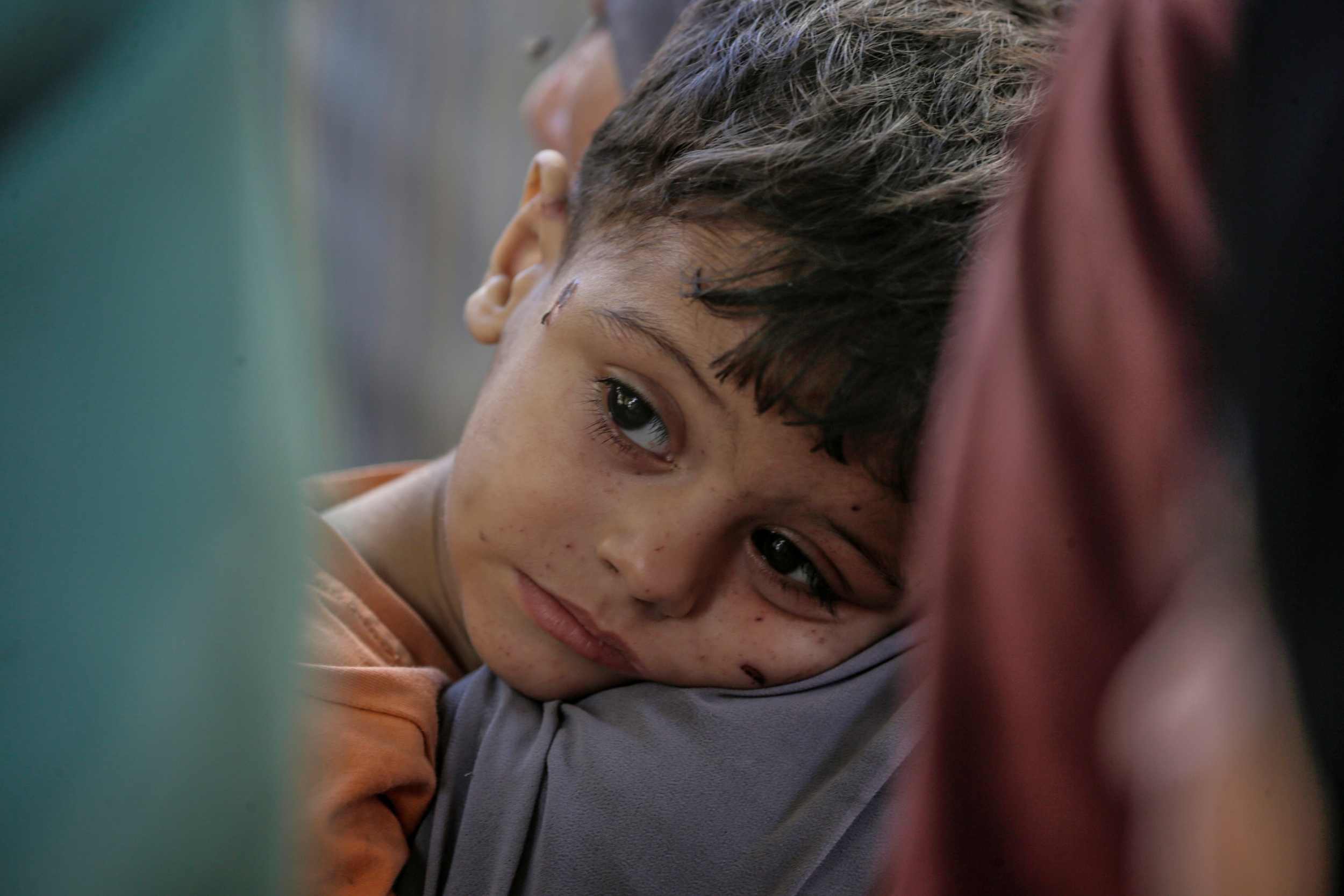
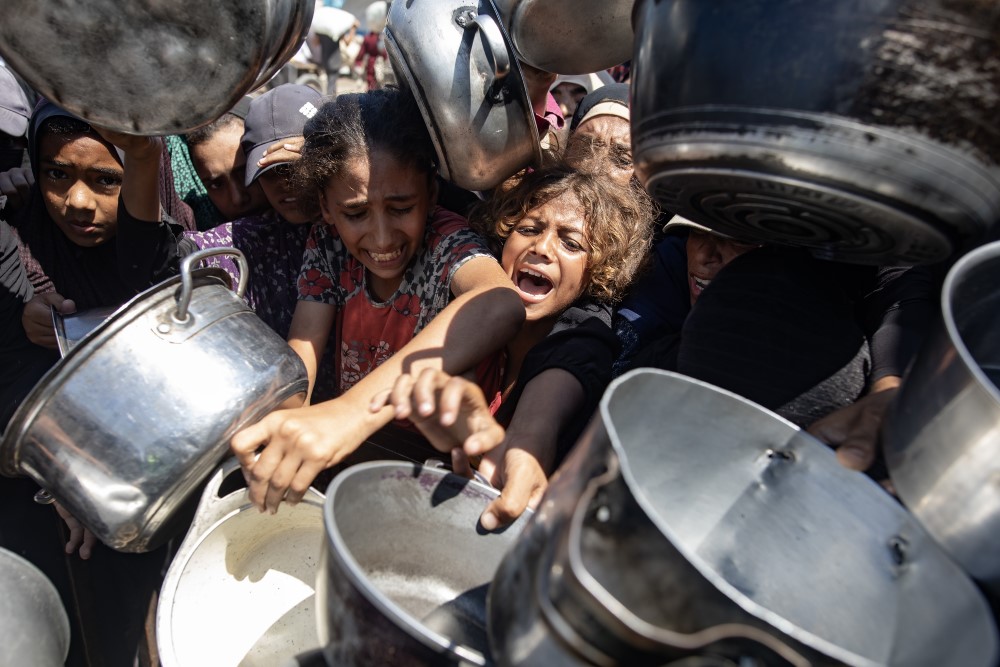
The declaration of famine in Gaza: what it means and where we stand now

On 22 August, the UN officially declared famine in Gaza, defined as an extreme situation of food insecurity in which there is insufficient access to food to survive, leading to high rates of malnutrition, disease and mortality. The Spanish Society of Epidemiology explains how this situation is technically assessed, as well as the implications of the declaration.

1

City design influences the physical activity of its inhabitants, according to a study using mobile data from more than 5,000 people

Analysis of data from a mobile health app covering more than 5,000 people in 1,609 cities in the United States reveals that moving from a less walkable area to a more walkable area leads to an increase in the number of steps taken per day, and vice versa. Walkability was measured using the Walk Score, an index based on parameters such as proximity to services, block length and intersection density. According to the authors, the results can serve as a guide for urban design policies that improve public health. The study is published in Nature.

0

Researchers analyse the impact of colorectal cancer screening campaigns on people aged 45 to 49

In the US, the incidence of colorectal cancer increased in people aged 45-49 years in the period 2019-2022, after advancing the screening age from 50 to 45 years, according to a study published in JAMA. The use of mailed faecal tests made it possible to reach people in this age group, without affecting screening rates in people over 50, says another paper published in the same journal.

0

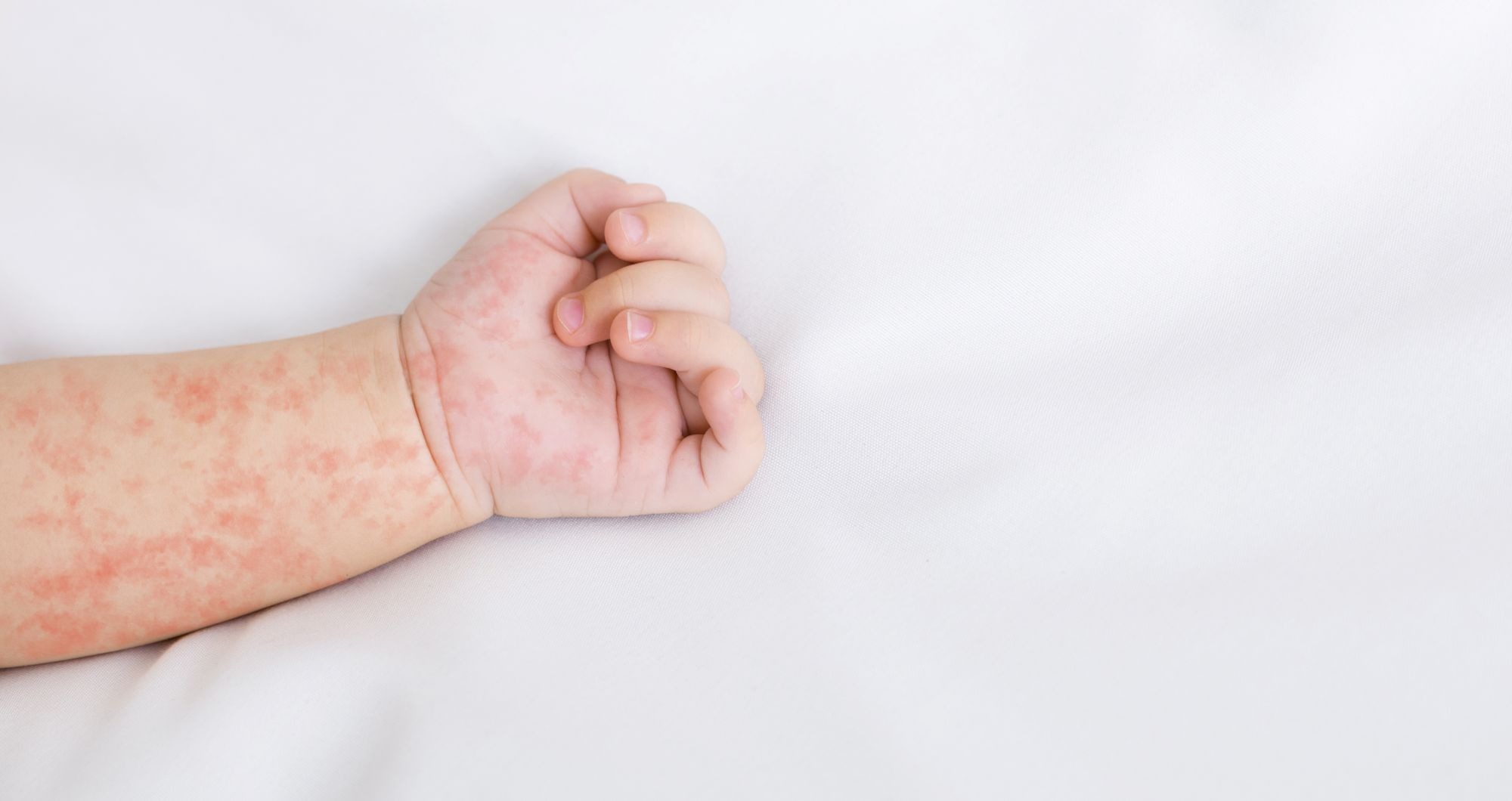
Global childhood vaccination coverage increased slightly in 2024, but pre-pandemic levels were not restored

Childhood vaccination rates have increased modestly worldwide in 2024, without reaching their pre-COVID-19 pandemic levels, according to data from the WHO and UNICEF. For example, global measles vaccination coverage rose by one percentage point from the previous year, reaching 84% of girls and boys who had received one dose in 2024, compared to 86% in 2019.

0

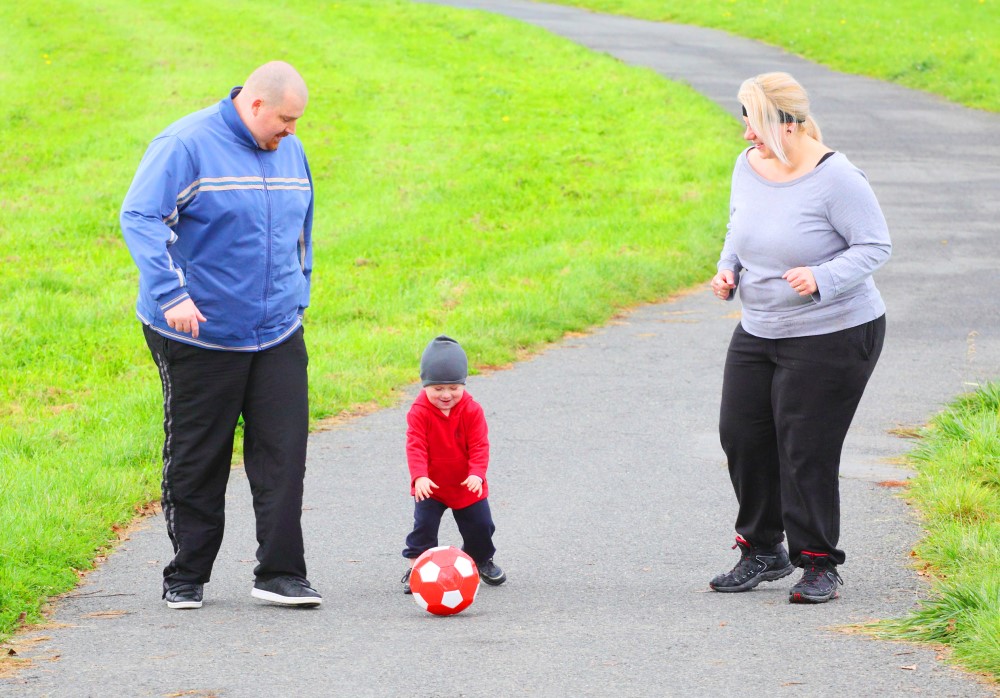
Focusing solely on weight loss to treat obesity may be more harmful than beneficial

An analysis published in the medical journal The BMJ points out that lifestyle changes recommended by doctors to people with obesity, focusing on calorie restriction and increased physical activity, have little effect on long-term weight loss, fail to significantly reduce cardiovascular risks and, yet, can lead to discrimination, stigmatisation and eating disorders. The authors also point out that weight alone is an inadequate measure of a person's health, as reflected in recent clinical guidelines, and propose a ‘health for all sizes’ approach with effective, patient-centred care.

0

Cases of skin cancer in people over the age of 65 will increase in the coming decades

Research analyzing data from more than 200 countries concludes that people over the age of 65 will face an increase in skin cancer cases over the next two decades. The study, published in JAMA Dermatology, used data from 1990 to 2021 and made estimates through 2050. Men and people living in countries with higher sociodemographic indices showed a higher incidence.

0

Cold sores infections are associated with an increased risk of Alzheimer's disease

A US study analysing data from nearly 700,000 people concluded that those with a history of herpes simplex virus (HSV-1) infections were at greater risk of developing Alzheimer's disease. The study, published in BMJ Open, also showed that patients with this virus who used anti-herpes treatments were less likely to develop the disease.

0