What we know

What we know

What we know

The SMC team produces explanatory articles on topical issues to answer society’s questions, with the necessary context and depth.

Cancer vaccines: what they are, what they aren't and where we are now
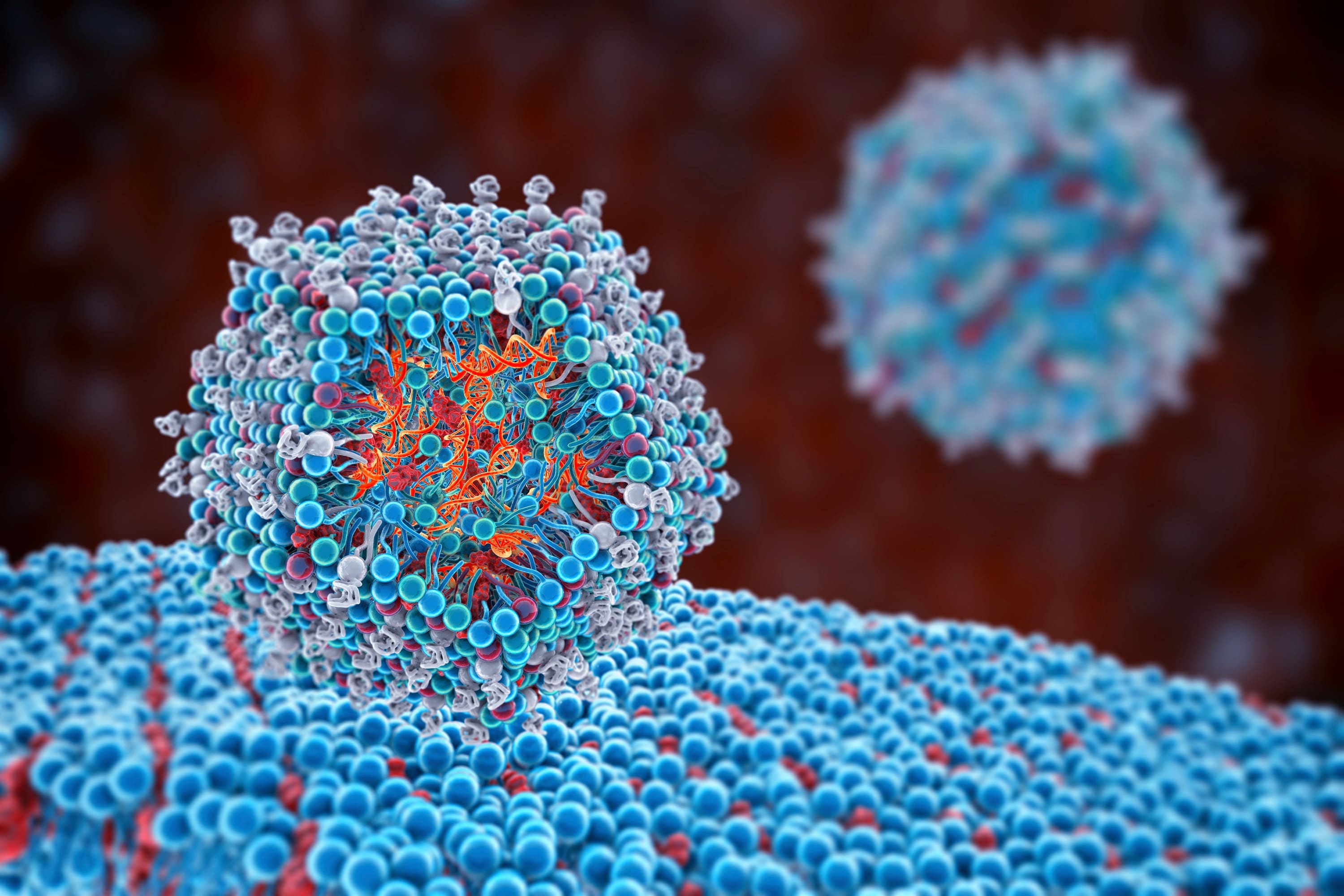
News of cancer vaccines proliferate in the media, yet only one such vaccine has been approved - against metastatic prostate cancer - and is no longer in use. However, only one as such has been approved - against metastatic prostate cancer - and it is no longer in use. Are the attention and hopes justified? What do they consist of and how are they similar to traditional ones? Are they preventive or therapeutic? Can they be universal or will they be extremely personalised? How much will they cost? This is what we know today.

0
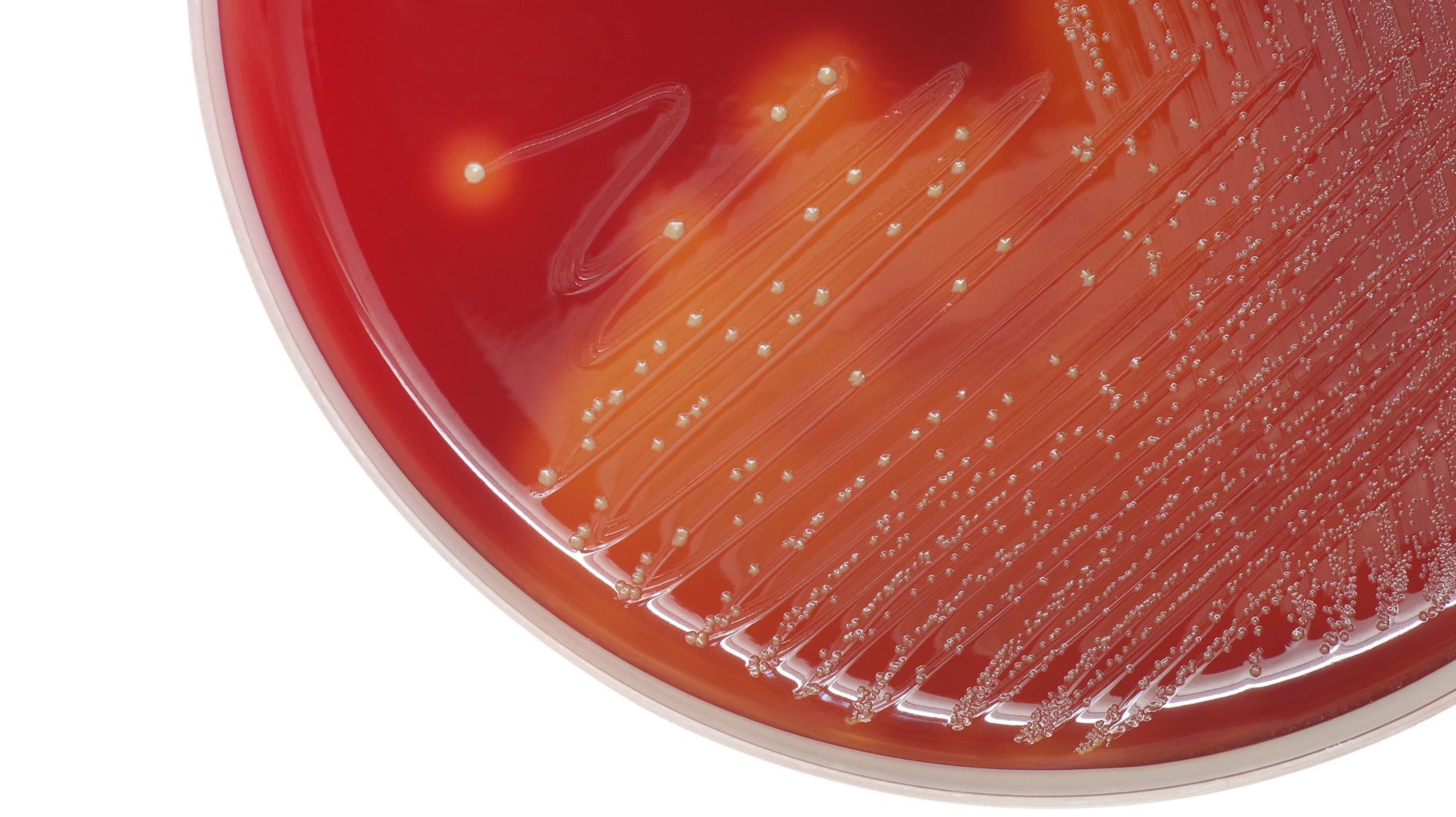
The rise of 'Streptococcus pyogenes' cases in the UK: can it happen in Spain?

The UK Health Safety Agency (UKHSA) has detected an unusual increase in Streptococcus pyogenes infections in the last month. This bacterium is responsible for mild infections, but also for more serious conditions such as scarlet fever and, above all, invasive disease. The British authorities have raised the alarm after at least eight children died from this pathogen. In Spain, the Spanish Society of Paediatric Infectious Diseases has reported that there have also been some deaths and is analysing whether there has been an unusual increase in cases.

0

What we know about the first case of H5N1 avian influenza in humans detected in Spain

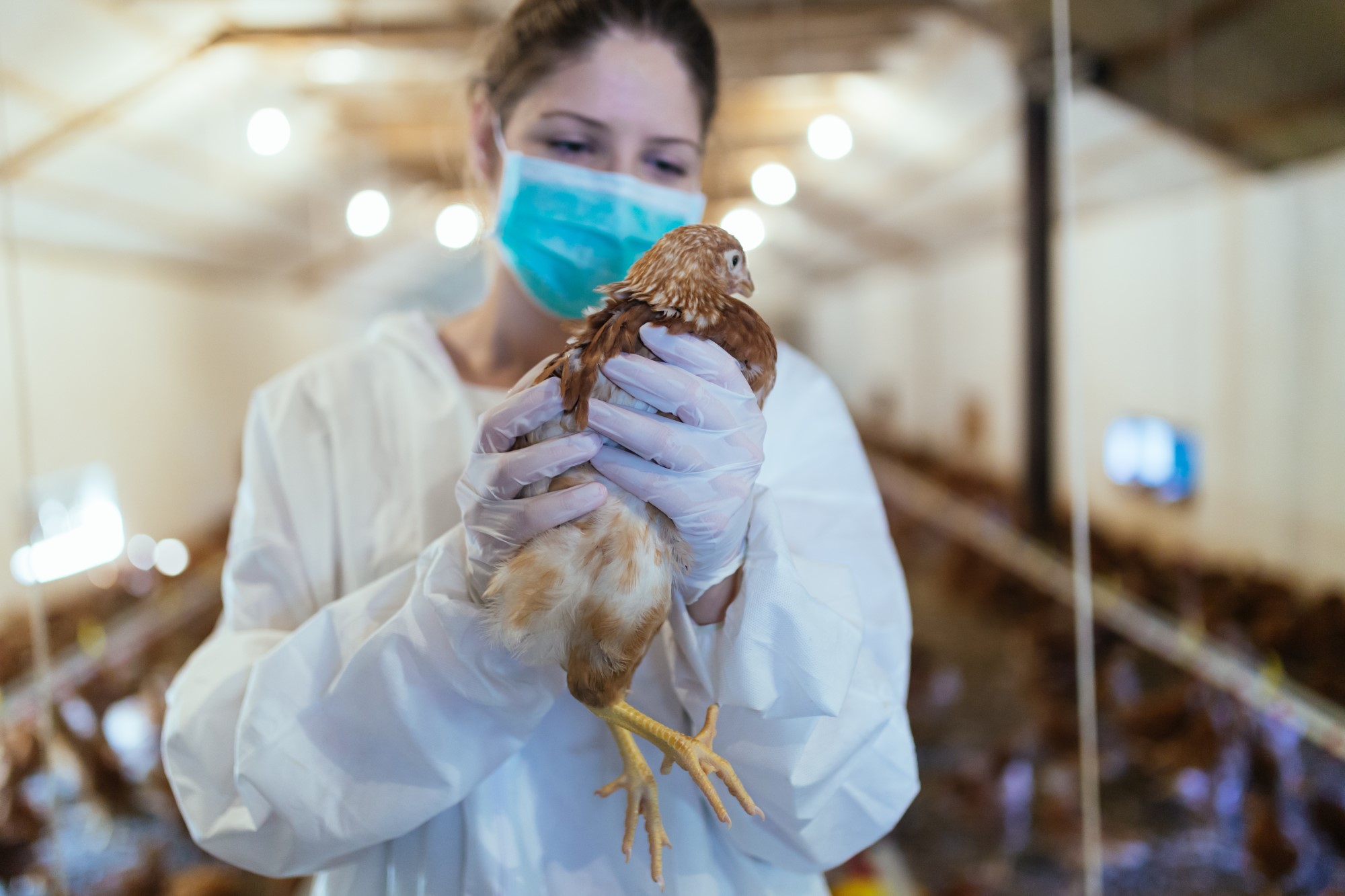
The National Microbiology Centre has confirmed the first positive human case of H5N1 avian influenza detected in Spain, Animal's Health said yesterday. This is the worker of a poultry farm located in the province of Guadalajara who remained asymptomatic and isolated until he tested negative. This is the second case detected in Europe after the UK declared its case in January this year.

0

Why the United States and Europe have approved different vaccines against Omicron

Regulatory agencies in the US and Europe - the FDA and the EMA - have licensed vaccination against Omicron focusing on different variants and sub-variants. Different procedures and studies in humans and animals have informed the agencies' decisions. Experts hope that these new doses will provide sufficient protection this autumn and winter to mitigate the impact of the next wave.

0

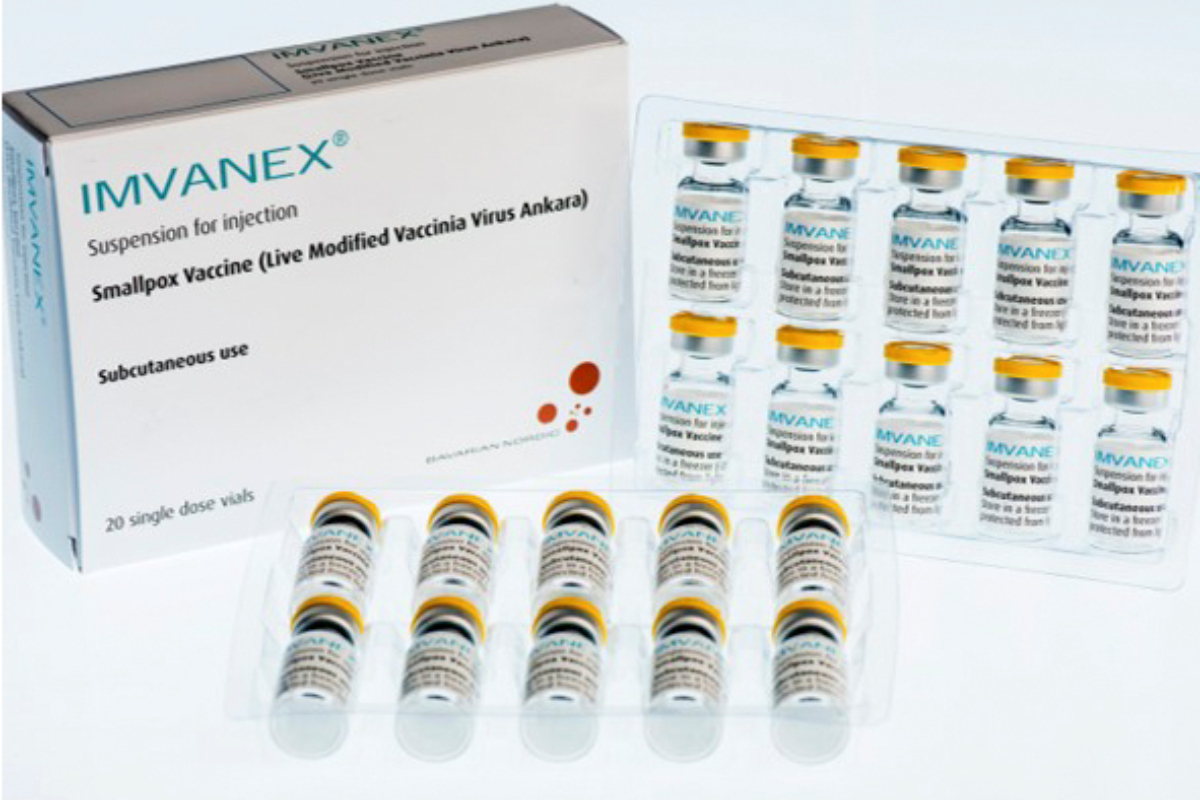
What we know about the decision to change the mode of administration of the smallpox vaccine to allow more people to be vaccinated

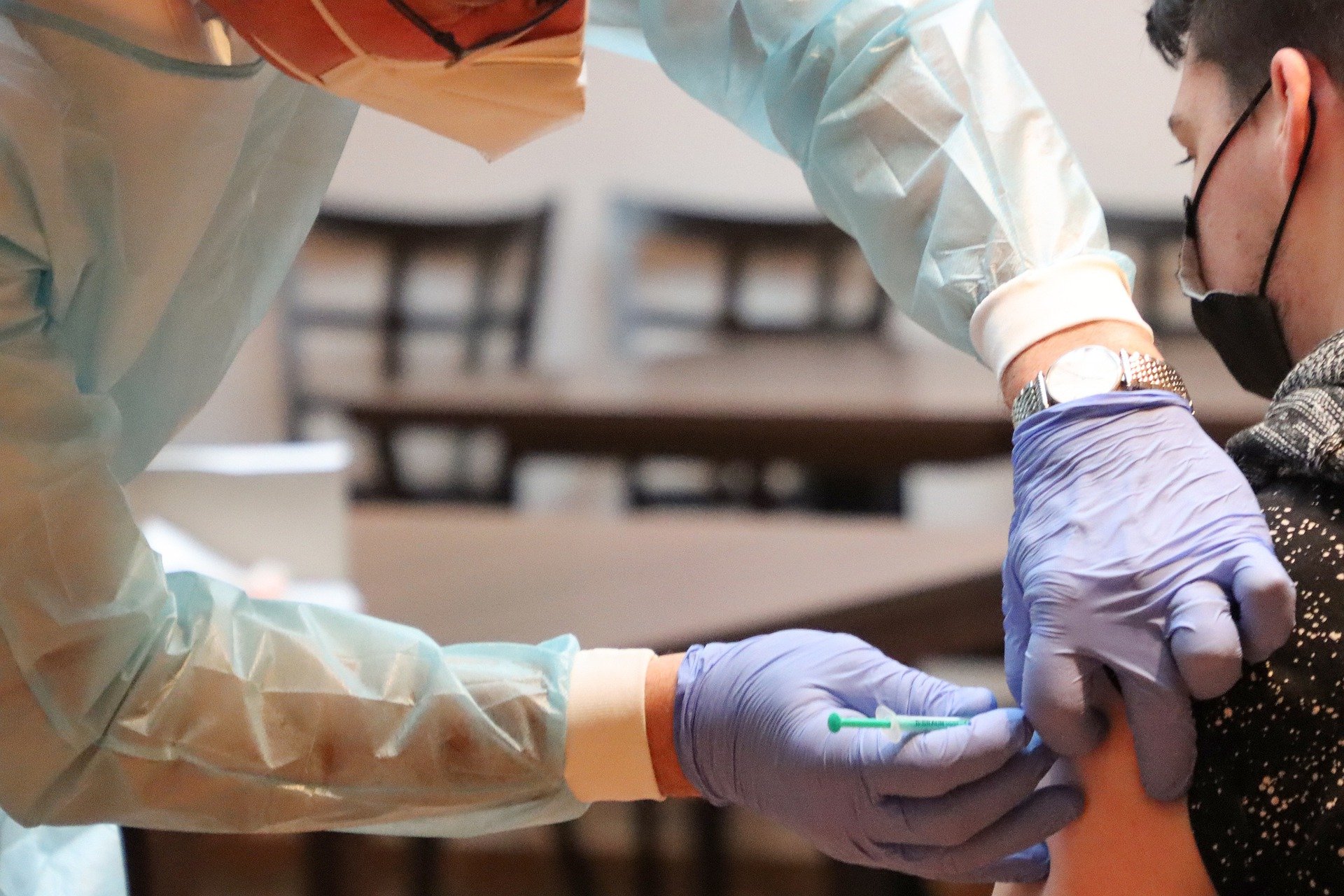
The European Medicines Agency (EMA) has authorised the administration of monkeypox vaccine intradermally rather than subcutaneously. This will allow more people to be vaccinated in the absence of doses, but effectiveness and safety data are limited. The Public Health Commission has decided to follow this strategy except for pregnant women and immunocompromised persons.