SMC Spain

SMC Spain

SMC Spain
Position
Topics

The most extensive gene expression map of the prefrontal cortex suggests that the maturation process is completed around age 24
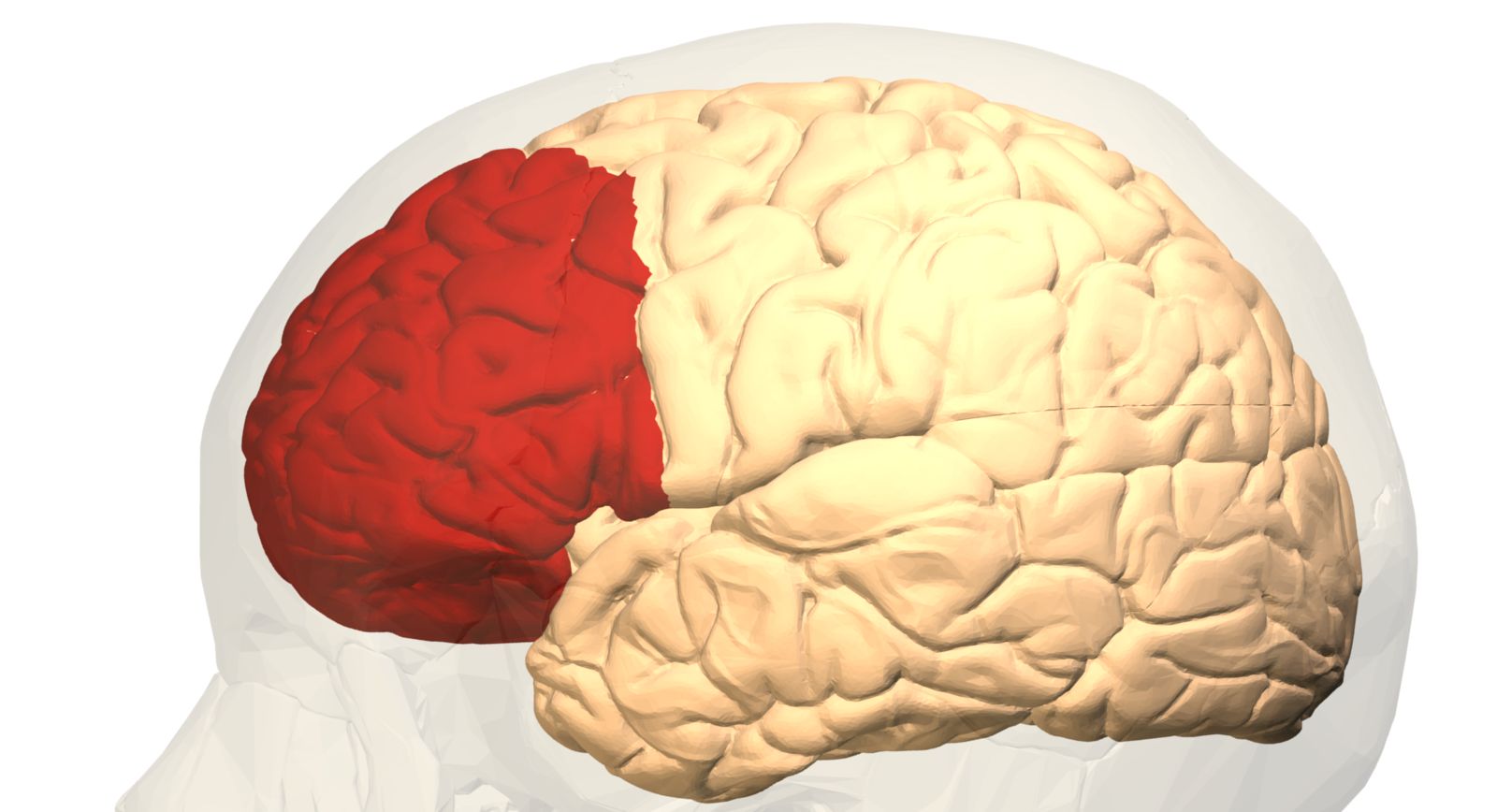
The prefrontal cortex is a brain region involved in some of the defining characteristics of human beings, such as planning, complex problem-solving, and impulse regulation. Researchers from the PsychAD consortium have created the most comprehensive map to date of gene expression in this region across the lifespan. According to the authors, the maturation process is complete by approximately age 24. The study—which will facilitate research into aspects of aging and cognitive decline—is published in Nature alongside seven other papers describing disease-related alterations and new genetic risk factors.

0

A study links hundreds of chemicals found in pesticides or food to an increased risk of breast cancer

A team led by the Silent Spring Institute (USA) drew up in 2024 a list of 921 chemicals that could increase the risk of developing breast cancer. They have now published an analysis of the presence of these compounds in everyday products in the United States. According to their findings, 485 are present in pesticides and as many as 462 in food, amongst other sources studied. Although the study does not allow for the estimation of risk or the establishment of causality, according to the authors, “transparency regarding how and where the population is exposed to these products will help to support public health research, exposure reduction and health protection regulations”. The study is published in Environmental Health Perspectives.

0

Emissions released since the Paris Agreement have intensified recent heatwaves in Europe

A study published in Geophysical Research Letters shows that greenhouse gas emissions since the 2015 Paris Agreement are linked to the intensity of the heatwaves recorded in Europe since 2021. For the analysis, the team trained a generative artificial intelligence model and utilised climate models and meteorological observations. “We have found strong evidence that, had the heatwave that struck Europe in the summer of 2025 occurred without the emissions recorded since 2015, it would very likely have been cooler,” the authors state in a press release.

0

Artificial intelligence, its ‘superpowers’ and the doomsday narrative: how much of it is science and how much is marketing?

Could artificial intelligence (AI) kill us all? What evidence underpins these warnings? Is it all just a marketing campaign? Are there financial interests behind the calls to slow down development? An information session organised by SMC Spain explored these and other issues with three leading figures in the field of artificial intelligence in our country.


0

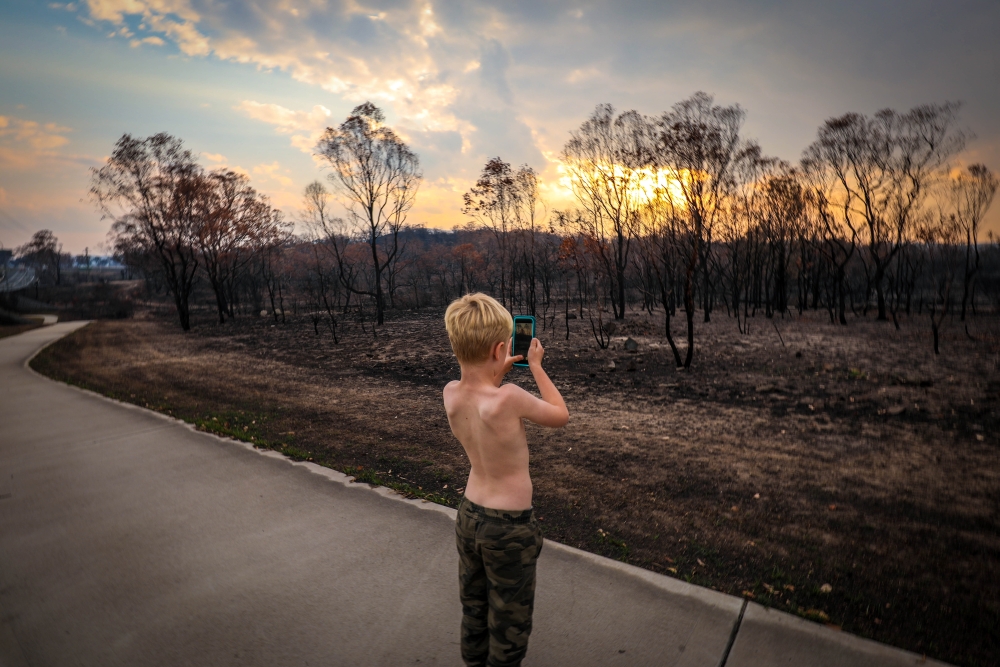
Babies born in Spain will now experience twice as many extreme weather events linked to wildfires as their grandparents did

A study published in the journal Environmental Research Letters estimates that babies born in Spain in 2025 will experience 7.3 more years of extreme weather conditions conducive to wildfires. The exposure for their grandparents, born in 1950, will be half that figure: 3.7 additional years. According to the authors, the vast majority of this increase is due to climate change rather than rising life expectancy. Limiting global warming to 1.5 °C, in line with the Paris Agreement, would reduce Spanish young people’s lifetime exposure to these conditions by more than a year, compared with current policies.

0

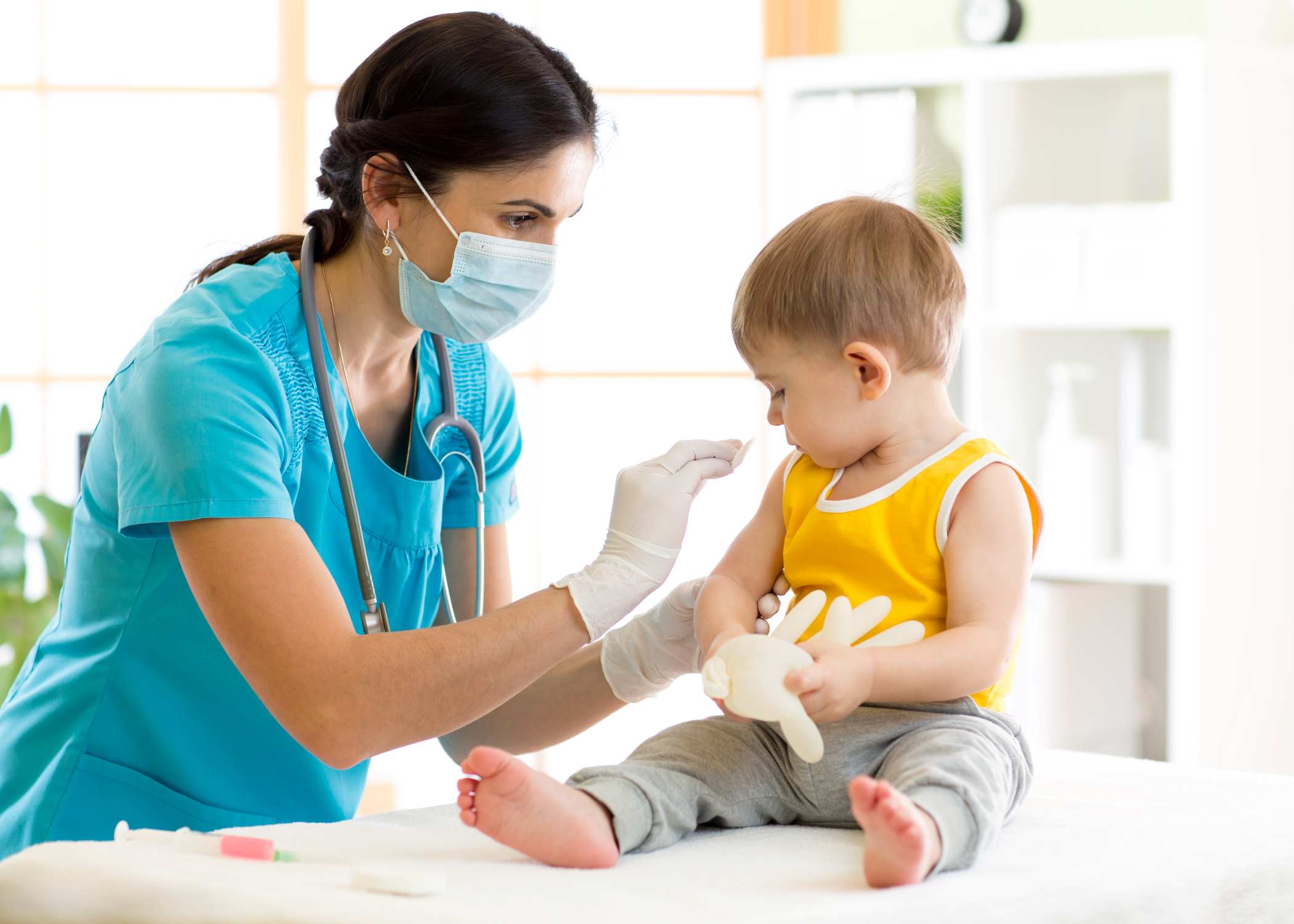
Childhood vaccination rates have plateaued or fallen in most EU countries since the start of the COVID-19 pandemic

Childhood vaccination coverage has declined in most European Union (EU) countries in recent years, reversing some of the significant progress made since 1980, according to a study published in The Lancet Regional Health – Europe. The researchers analysed data from the World Health Organisation and UNICEF on coverage rates for seven childhood vaccines – diphtheria, tetanus and pertussis; hepatitis B; Haemophilus influenzae type b; measles; pneumococcal; poliomyelitis and rubella – across the 27 EU countries between 1980 and 2024. Most of the recent declines began between 2019 and 2022, coinciding with the COVID-19 pandemic. In Spain, the data point to a decline in vaccination rates for five of the seven childhood vaccines – whilst rates for rubella and measles increased.

0

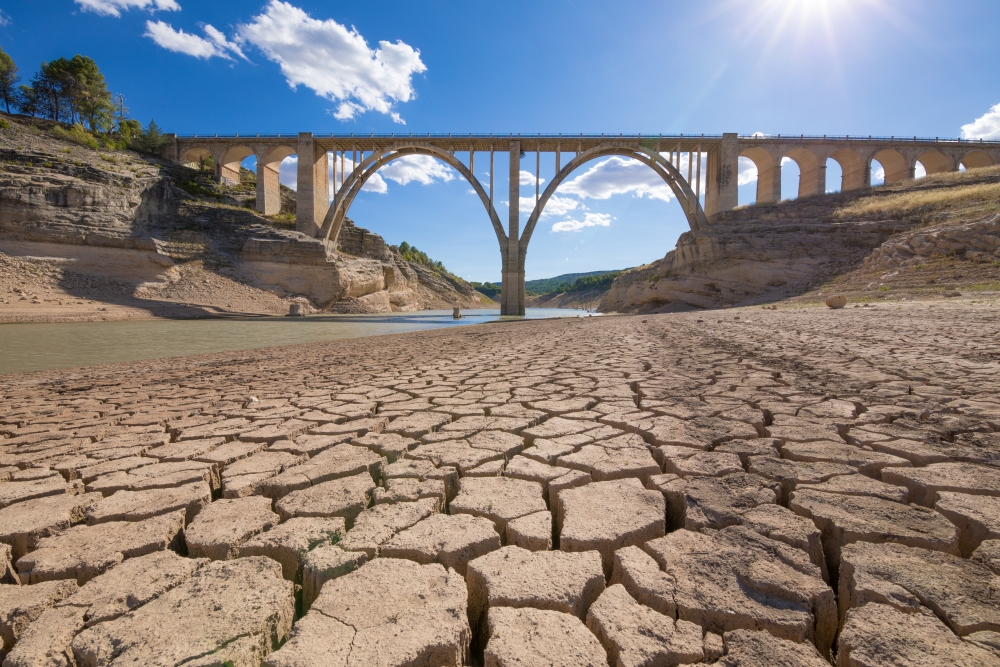
Global water reserves continue to decline, with serious social and economic implications

According to a report published by the World Meteorological Organisation, 2025 has been one of the driest years in more than three decades for rivers worldwide. Global water reserves have been declining for more than 10 years, and this is the fourth consecutive year in which glacier losses have been recorded across all regions. Although rainfall in the Iberian Peninsula was above normal in the summer, the west and north-west of Spain experienced a reduction in rainfall of up to 75 per cent below average.
  

0

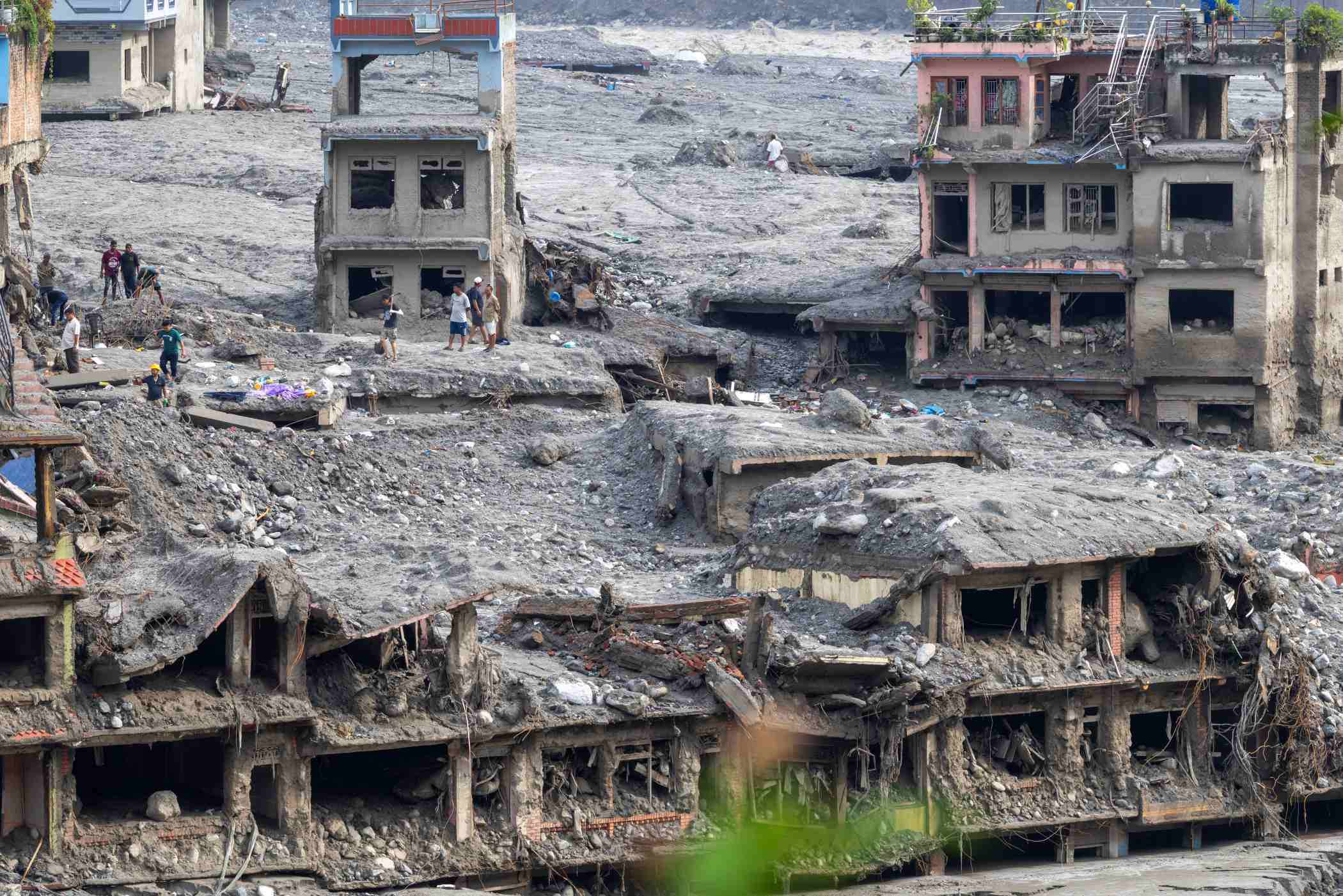
A study confirms that the thawing of permafrost and the weakening of glaciers due to climate change contributed to the flash floods in Nepal

A combination of geological and climatic factors — the latter influenced by anthropogenic climate change — lay behind the catastrophic rock and ice avalanche last August on Nepal’s northern border, according to a review carried out by World Weather Attribution and glaciology experts. The team carried out an attribution analysis to examine the role of climate change in the rise in temperatures in July and August preceding the collapse, as well as in the region’s rainfall. According to the study, human-induced warming has raised the freezing line by around 100 metres per decade, leading to the thinning of glaciers and the thawing of the permafrost that held the mountain together. These factors, together with the destabilisation caused by a magnitude 7.8 earthquake in 2015, are believed to be the main causes of the landslide, which left more than a thousand people dead and thousands missing. 

0

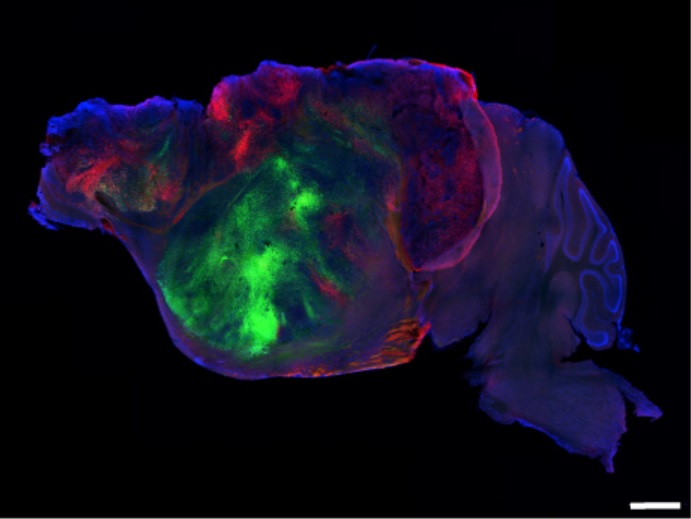
Human brain organoids form neuronal networks in mice

A US-based team with Spanish participation has successfully transplanted cortical organoids—self-organizing fragments of lab-grown human brain tissue—into modified mice lacking most of their cerebral cortex, the brain layer responsible for functions ranging from cognition and language to attention and decision-making. The research, published in the journal Nature, shows that the human tissue survived, grew, and developed functional connections with the mice's brains and, extending beyond that, with the spinal cord. According to the authors, this could help generate new models for studying disease-related alterations in human brain circuits.

0

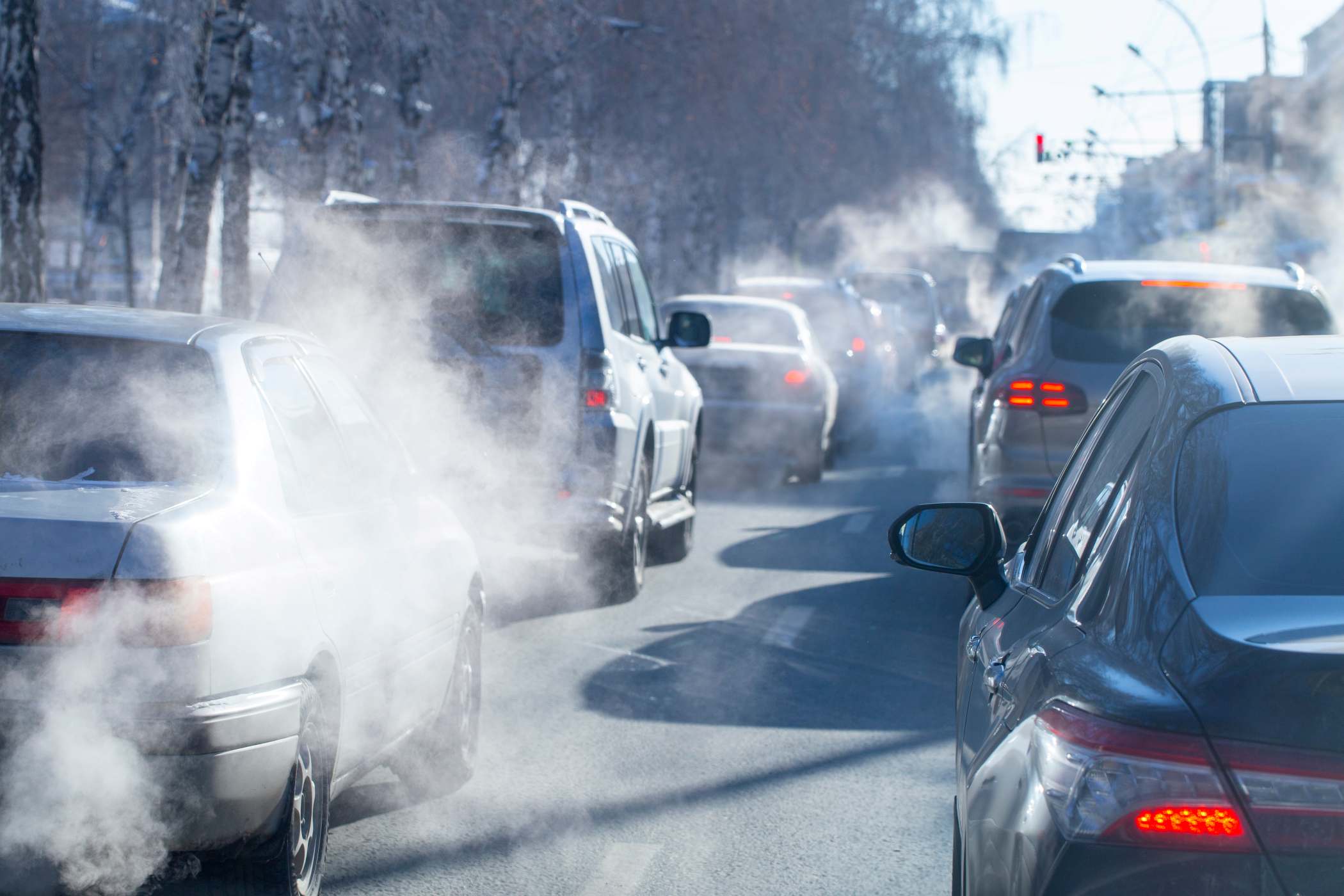
A study links air pollution to an increased risk of suicide or suicidal thoughts

A meta-analysis has examined the relationship between four environmental exposures – air, noise, light and water pollution – and the risk of death by suicide, suicide attempts and suicidal thoughts. The research shows an association between these three events and exposure to various air pollutants. Specifically, the study, published in the Journal of Epidemiology & Community Health, links these three events to short-term exposure to particulate matter (PM2.5 and PM10) and long-term exposure to PM2.5 and nitrogen dioxide. The research encompassed 45 studies, 29 of which were included in the meta-analysis and 16 in a systematic review. In the review, the authors found possible associations between suicide and other air pollutants (including sulphur dioxide and ozone) as well as noise pollution. By contrast, no significant associations were found with either light pollution or water pollution.

0