SMC Spain

SMC Spain

SMC Spain
Position
Topics

What is believed to be the first diplodocus found outside North America has been discovered in Teruel

A team from the Teruel-Dinópolis Joint Palaeontological Foundation has discovered, at the La Tejería site in El Castellar (Teruel), the remains of what could be the first diplodocus found outside North America. The research, published in the Journal of Vertebrate Palaeontology, describes 14 exceptionally well-preserved caudal vertebrae from the tail and several cheurones (tail bones). According to the authors, “osteological comparisons and phylogenetic analyses consistently placed the specimen within the genus Diplodocus”. The specimen, which dates back some 150 million years, provides the first intercontinental evidence for this genus and constitutes one of the most robust pieces of palaeontological evidence for episodes of faunal dispersal and exchange between the two continents across the proto-Atlantic Ocean during the Late Jurassic.

0

Extreme rainfall, as well as drought, is threatening cocoa crops worldwide

A team from Harvard University (United States) and the University of Ghana has analysed the meteorological factors that can most significantly affect cocoa crops, the raw material used to make chocolate. In addition to low rainfall during the dry season – a long-standing concern – heavy rainfall during the wet season has emerged as a key factor. This pattern was observed in all three countries studied, which are major cocoa producers: Ghana, Ecuador and Indonesia. The authors, who have published their findings in PNAS, emphasise that rainfall harmful to cocoa is linked to larger-scale climate patterns, such as El Niño or variations in sea surface temperature in the Atlantic; consequently, it is possible to predict some poor harvest years before the damage occurs, with sufficient advance warning to alert farmers.

0

A global study shows that heavy rainfall increases the transport of microplastics via rivers

Rivers around the world discharged approximately 263,000 tonnes of microplastics into the oceans in 2022, with 96 per cent of this originating from the Global South. This is the main finding of a study that has analysed various data sources showing that extreme rainfall events can substantially increase this transport of microplastics, particularly in regions with high plastic use and poor waste management. The authors, whose findings are published in Science, warn that climate change could exacerbate the problem as extreme rainfall becomes more frequent and intense.


0

European cities are facing ever-increasing health risks arising from climate change, but adaptation measures are not keeping pace

Cities’ adaptation to climate change is not progressing fast enough to protect their inhabitants from increasing heatwaves, infectious diseases and exposure to pollen, which are having an ever-greater impact on the urban population. This is the main conclusion of a study published in The Lancet Public Health, based on 28 indicators from more than 850 European cities, including many in Spain such as Madrid, Barcelona and Valencia. The greatest improvements were observed in cities that increased their green space. The study also suggests that risks are rising more rapidly in southern and eastern Europe.

0

What may be the oldest evidence of drug use by pre-agricultural hunter-gatherers has been discovered

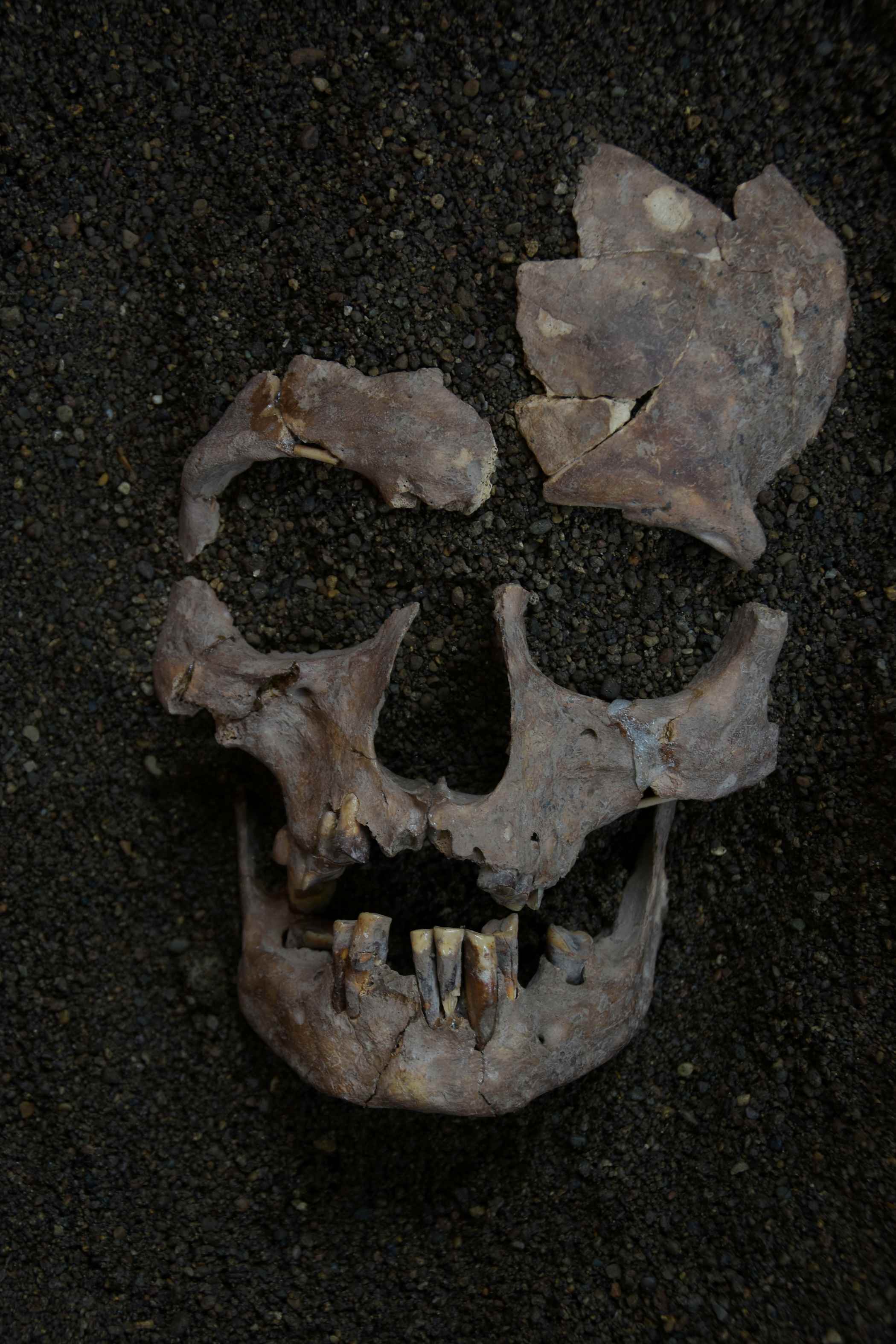
A study published in Science Advances suggests that the use of betel nut as a drug has older origins than previously thought. Bone remains from two pre-agricultural hunter-gatherers — dated between 25,000 and 16,000 years ago — from Sulawesi (Indonesia) show dental pathology associated with the consumption of these whole nuts. Considered one of the world’s oldest known drugs, when consumed, this nut releases arecoline, the plant’s main neuroactive alkaloid. According to the research, it is possible that the hunters-gatherers’ sole motivation for using it was not merely as a drug, but also for its analgesic and digestive properties.


0

Researchers are investigating the link between paracetamol use during pregnancy and possible abnormalities in the reproductive development of baby girls

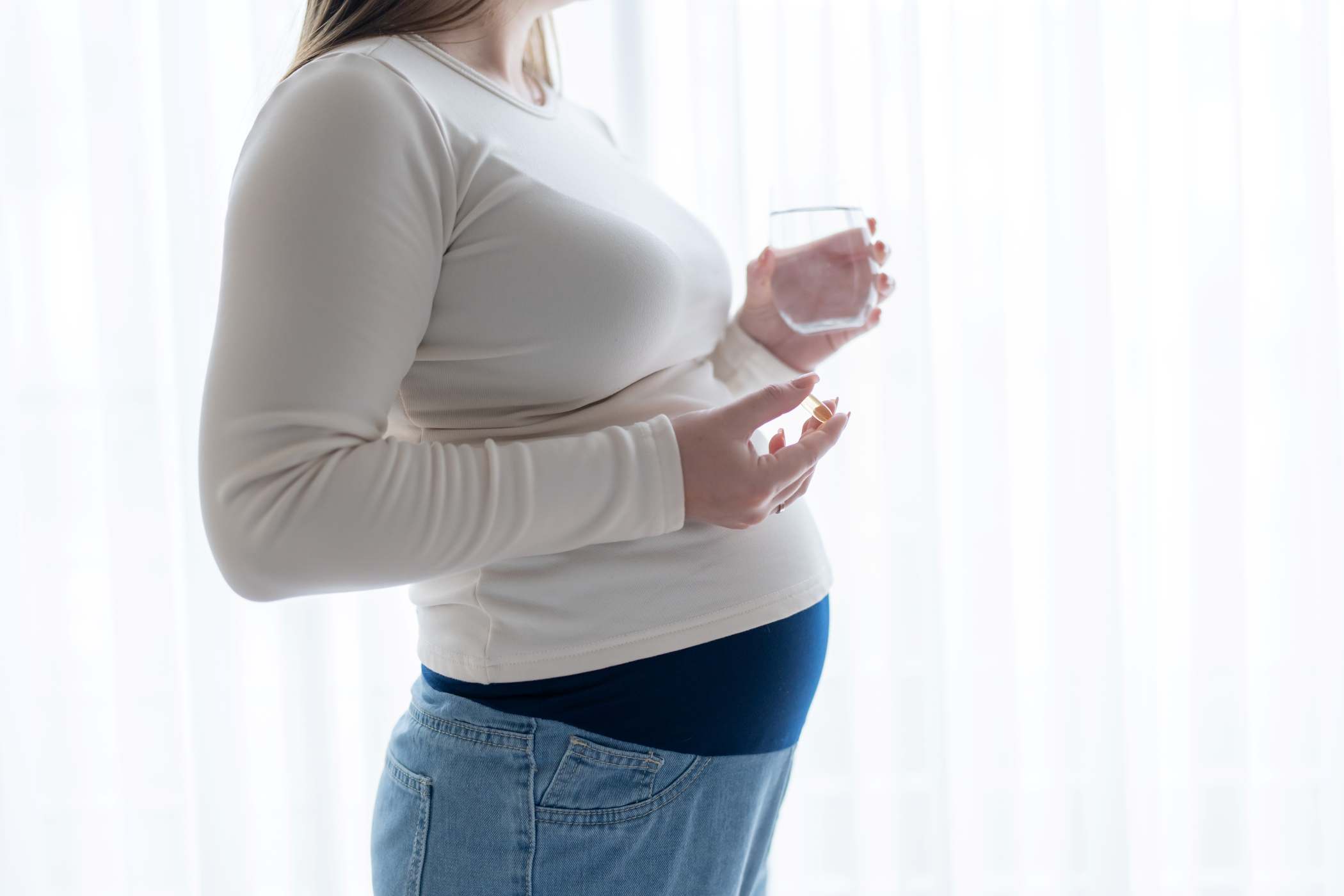
A Danish team has analysed a small dataset comprising 685 pregnant women and 302 of their daughters at three months of age to assess possible associations between foetal exposure to paracetamol and the infants’ ovarian function. Their study, published in the journal Human Reproduction Open, suggests that girls whose mothers took paracetamol during pregnancy had smaller ovaries and uteri, fewer ovarian follicles and lower levels of reproductive hormones. The authors point out that this is an observational study and therefore cannot assess whether the drug causes reproductive problems or whether these early differences are clinically significant.

0

'Helicobacter pylori' infection could be linked to as many as one in five cases of colorectal cancer worldwide, according to a study

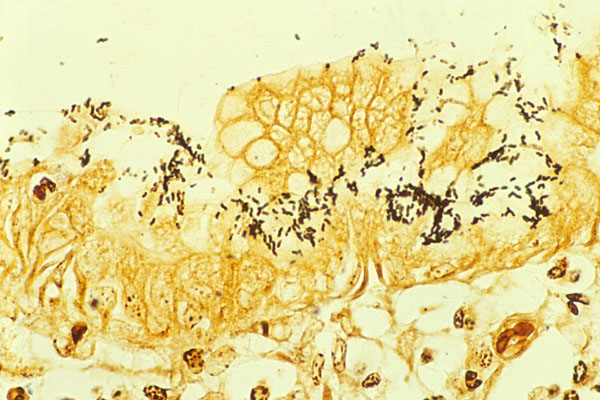
Infection with the bacterium Helicobacter pylori is a known risk factor for stomach cancer. Its link to colorectal cancer, however, remains an unconfirmed hypothesis. An international team has reviewed 43 studies on this subject and found that 22 per cent of colorectal cancer cases could potentially be linked to this infection, although when they selected the 14 most reliable studies, the figure fell to 12 per cent. According to the authors, exposure to Helicobacter pylori could be contributing significantly to the number of cases of colon cancer worldwide, but they point out that their study is only exploratory and that more robust research, such as clinical trials, is needed to establish a causal link. The results have been published in eGastroenterology.

0

Menopause is the only hormonal transition in a woman’s life that is not associated with a reduction in grey matter or brain volume

A study has analysed structural changes in the female brain during the three main hormonal transitions: puberty, pregnancy and the menopause. To do this, using longitudinal neuroimaging – which records images of the brain over time – the researchers compared women transitioning from one hormonal phase to another with participants currently in those hormonal phases – more than 1,000 women in total. The results, published in Nature Communications, show that the transitions of puberty and pregnancy lead to a reduction in cortical grey matter, whilst women going through the menopause did not show a significant decrease in either cortical grey matter or total brain volume.

0

Exhaled carbon monoxide has been linked to a lower risk of Parkinson’s disease

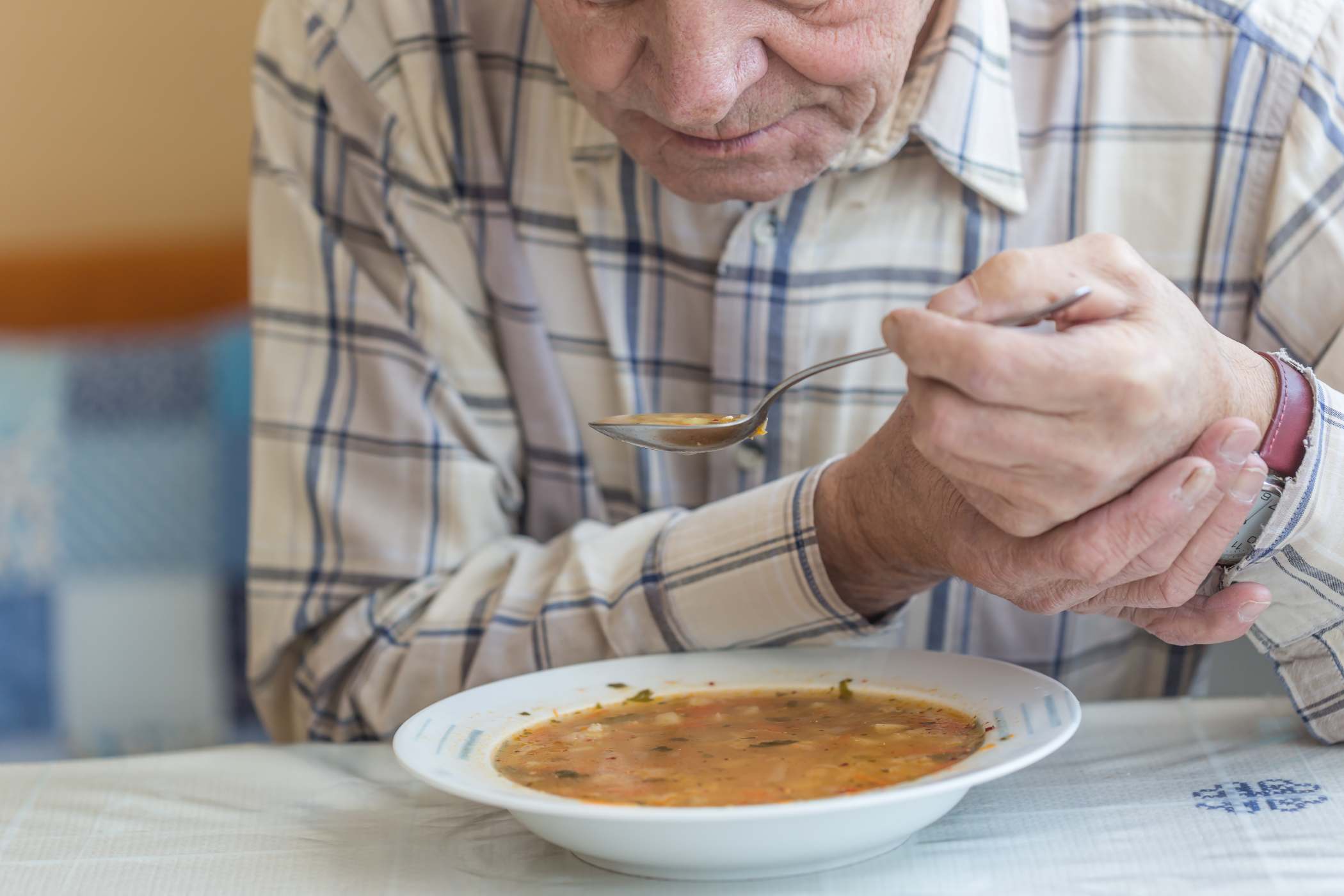
Various studies have shown that smokers have a lower risk of developing Parkinson’s disease, but the causes remain unknown. A study has analysed the role played by carbon monoxide — a toxic gas produced by the combustion of tobacco — in this association. To this end, the team conducted a twelve-year follow-up study of more than half a million adults in China. The results show that regular smoking was associated with an increased risk of lung cancer, ischaemic heart disease, stroke and all-cause mortality, but with a lower risk of Parkinson’s disease. Most strikingly, amongst people who had never smoked, higher levels of exhaled carbon monoxide—which the authors measured—were associated with a lower risk of Parkinson’s disease. According to the study, published in JAMA Neurology, these findings demonstrate a possible protective role of carbon monoxide in the disease, rather than smoking itself.

0