Autonomous University of Barcelona
If you are the contact person for this centre and you wish to make any changes, please contact us.
Member of the Water and Global Change Research Group at the Centre for Research in Ecology and Forestry Applications (CREAF), at the Autonomous University of Barcelona
PhD in Psychology in the Department of Psychiatry and Legal Medicine at the Universitat Autònoma de Barcelona and coordinator of the GRETA group (Research Group on Evaluation and Treatment of Self-harm)
Associate Professor (Professor Agregat Serra Hunter) at the Department of Applied Economics of the Universidad Autónoma de Barcelona (UAB)
Head of Adult Mental Health at Fundació Hospitalàries Barcelona, assistant psychiatrist at the Vall d'Hebron University Hospital psychiatry department, and associate professor in the Department of Psychiatry and Legal Medicine at the Autonomous University of Barcelona (UAB)
Professor of Ecology at the Autonomous University of Barcelona and CREAF researcher
Senior researcher at the Institute of Environmental Science and Technology (ICTA-UAB) of the Autonomous University of Barcelona
Professor Emeritus of Psychobiology at the Autonomous University of Barcelona (UAB) and full member of the Spanish Academy of Psychology
Coordinator of the Neuro-oncology Unit of the Bellvitge Biomedical Research Institute (IDIBELL) and researcher of the Neuroplasticity and Regeneration Group of the Autonomous University of Barcelona
Juan de la Cierva researcher in the Department of Geology at the Autonomous University of Barcelona
Research Associate in Palaeoprimatology and Human Palaeontology at the Miquel Crusafont Catalan Institute of Palaeontology, Autonomous University of Barcelona
Head of the Diabetes Immunology Group at the Germans Trias i Pujol Research Institute (IGTP, Badalona) and associate professor of Immunology at the Autonomous University of Barcelona
Head of the Laboratory of Gene Therapy in Neurodegenerative Diseases of the VHIR-UAB Mixed Unit
Researcher at the Hospital del Mar Medical Research Institute (IMIM), professor of public health at the Autonomous University of Barcelona and author of the book Vive más y mejor
Research director
Doctor in the Paediatric Oncology and Haematology Department at Vall d'Hebron Hospital and associate professor in the Paediatrics Department at the Autonomous University of Barcelona
PhD in Anthrozoology, and gradute in ethology and Biochemistry by the Autonoma University of Barcelona.
ICREA Research Professor, Director of Andero Lab and the Rodent Behavioral Core at the Autonomous University of Barcelona (UAB), and researcher in the Department of Psychobiology and Methodology of Health Sciences at the UAB and at the Carlos III Health Institute, CIBERSAM
Professor of Biochemistry and Molecular Biology at the Universitat Autònoma de Barcelona and a researcher on the Academia de Excelencia programme
Doctor of Public Health, member of the Research Group on Psychosocial Risks, Work Organisation and Health (POWAH) at the Institute of Labour Studies at the Autonomous University of Barcelona, and member of the Trade Union Institute for Work, Environment and Health (ISTAS)
Researcher at the Universitat Autònoma de Barcelona
Researcher in the Department of Sociology at the Autonomous University of Barcelona and director of the Globalisation, Education and Social Policies research group
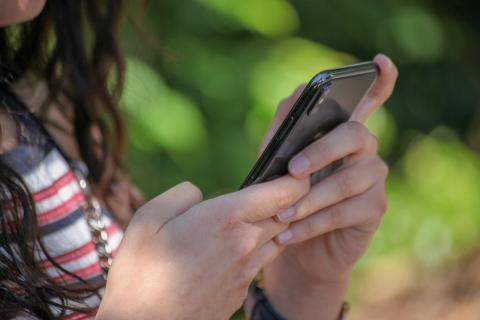
Constant checking of social media activity in early adolescence is associated with changes in the brain's sensitivity to rewards and punishments. This is the conclusion of a study involving 169 12- and 13-year-old students in the United States with Facebook, Instagram and Snapchat profiles, according to JAMA Pediatrics.
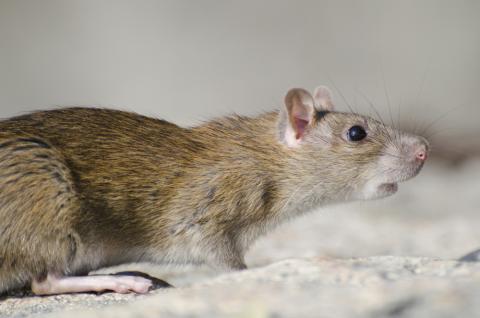
A study in mice published in the journal Nature has analysed the different responses to aggression and the consequences for subsequent behaviour. In general, animals that confronted the aggressor developed greater resilience than those that fled or avoided the aggressor, and the gain was greater as brain circuits associated with dopamine were activated.
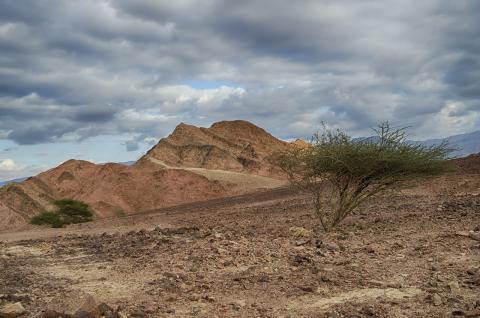
A study published in Science analyses the potential climate benefits of afforestation - both planting trees to create new forests and reforesting old ones - of the world's drylands. The authors show that the cooling effect of afforestation of this vast area would only amount to a decrease of about 1 % of projected greenhouse gas emissions in the business-as-usual and medium-emissions climate scenarios.
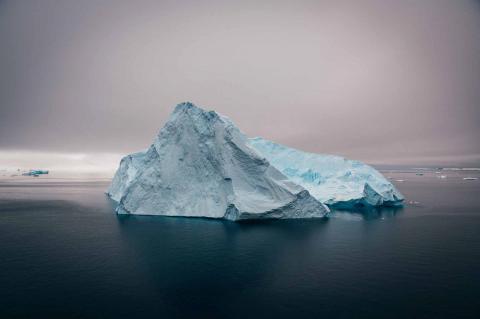
The weekend saw record temperatures in both the Arctic and Antarctica, up to 40°C above normal for this time of year.