University of the Basque Country (UPV-EHU)
If you are the contact person for this centre and you wish to make any changes, please contact us.
Researcher at the Department of Sociology and Social Work of the University of the Basque Country (UPV/EHU)
Professor of the Department of Journalism at the University of the Basque Country (UPV/EHU) and principal researcher of the Gureiker group
Paleontologist at the University of the Basque Country UPV/EHU, director of the geology department and member of the former Anthropocene Working Group
Professor of Sociology and principal investigator of the Research Group on Social Determinants of Health and Demographic Change-OPIK at the University of the Basque Country (UPV/EHU)
Researcher in the geology department
Professor of Anatomy and Embryology at the University of the Basque Country, founding scientific director of the Achúcarro Neuroscience Centre in Bilbao and president of the Spanish Society of Neuroscience (SENC)
Researcher in the Department of Social Psychology and lecturer in Criminal Psychology at the University of the Basque Country (UPV/EHU)
Assistant Professor (PhD) in the Department of Didactics and School Organization at the Faculty of Education and Sport of the University of the Basque Country (UPV/EHU)
Geneticist and Ikerbasque and Ramón y Cajal researcher at the University of the Basque Country (UPV/EHU)
Professor of Organic Chemistry at the University of the Basque Country (UPV/EHU)
Professor of Fundamentals of Economic Analysis, Faculty of Economics
Researcher at the University of the Basque Country / Euskal Herriko Unibertsitatea
Professor of Medical Microbiology and researcher at the Faculty of Medicine and Nursing of the University of the Basque Country UPV/EHU
Specialist in Digestive System at Donostia University Hospital, coordinator of the Liver and Gastrointestinal Diseases Area at the Biogipuzkoa Institute and professor of Medicine at the University of the Basque Country (UPV/EHU)
Assistant professor of Journalism, researcher of the Gureiker group at the University of the Basque Country (UPV/EHU).
Doctor of Psychology, specialist in Clinical Psychology, Professor of Psychological Assessment and Diagnosis at the University of the Basque Country (UPV/EHU) and full member of the Spanish Academy of Psychology
Researcher and Lecturer in the Department of Analytical Chemistry at the University of the Basque Country (UPV/EHU)
Full Professor of the Department of Mathematics at the University of the Basque Country (UPV/EHU)
Postdoctoral researcher at the University of the Basque Country (UPV/EHU)
President of the Donostia International Physics Center (DIPC) Foundation and Professor of Condensed Matter Physics at the University of the Basque Country (UPV - EHU).
Ikerbasque research professor at the Department of Plant Biology and Ecology of the University of the Basque Country (UPV/EHU), Leioa, Spain and research associate at BC3. His research interests include ecology, evolution, conservation biology and biogeography. He is currently leading a research group in molecular ecology
Researcher at the Department of Applied Physics I and the Planetary Sciences Group of the Bilbao School of Engineering of the University of the Basque Country UPV/EHU
Researcher at the Department of Applied Physics and the Planetary Sciences Group of the Bilbao School of Engineering of the University of the Basque Country UPV/EHU
Permanent Senior Researcher, acreditated as Research Professor, in the Department of Genetics, Physical Anthropology and Animal Physiology at the University of the Basque Country (UPV/EHU).
Full professor of Journalism, researcher of the Gureiker group at the University of the Basque Country (UPV/EHU).
Demographer and Ikerbasque researcher, member of the Research Group in Social Determinants of Health and Demographic Change
Professor of Systems Engineering and Automatics at the University of the Basque Country (UPV/EHU)
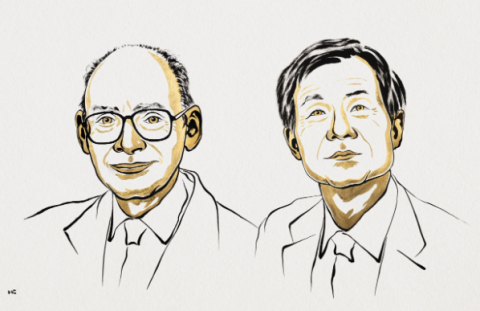
Some molecules, such as amino acids, exist in two forms that are mirror images of each other. However, living organisms contain only one of these mirror images. For a long time, the origin of this chemical asymmetry was a mystery to chemists. The Royal Swedish Academy of Sciences has awarded the Nobel Prize in Chemistry to Henri B. Kagan and Kenso Soai “for the discovery of nonlinear effects and autocatalysis in asymmetric organic synthesis,” which provided the solution to this enigma.
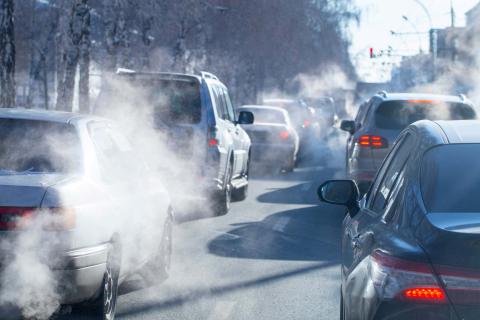
A meta-analysis has examined the relationship between four environmental exposures – air, noise, light and water pollution – and the risk of death by suicide, suicide attempts and suicidal thoughts. The research shows an association between these three events and exposure to various air pollutants. Specifically, the study, published in the Journal of Epidemiology & Community Health, links these three events to short-term exposure to particulate matter (PM2.5 and PM10) and long-term exposure to PM2.5 and nitrogen dioxide. The research encompassed 45 studies, 29 of which were included in the meta-analysis and 16 in a systematic review. In the review, the authors found possible associations between suicide and other air pollutants (including sulphur dioxide and ozone) as well as noise pollution. By contrast, no significant associations were found with either light pollution or water pollution.
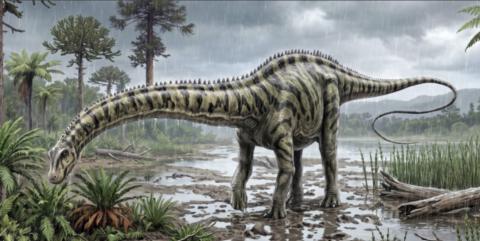
A team from the Teruel-Dinópolis Joint Palaeontological Foundation has discovered, at the La Tejería site in El Castellar (Teruel), the remains of what could be the first diplodocus found outside North America. The research, published in the Journal of Vertebrate Palaeontology, describes 14 exceptionally well-preserved caudal vertebrae from the tail and several cheurones (tail bones). According to the authors, “osteological comparisons and phylogenetic analyses consistently placed the specimen within the genus Diplodocus”. The specimen, which dates back some 150 million years, provides the first intercontinental evidence for this genus and constitutes one of the most robust pieces of palaeontological evidence for episodes of faunal dispersal and exchange between the two continents across the proto-Atlantic Ocean during the Late Jurassic.
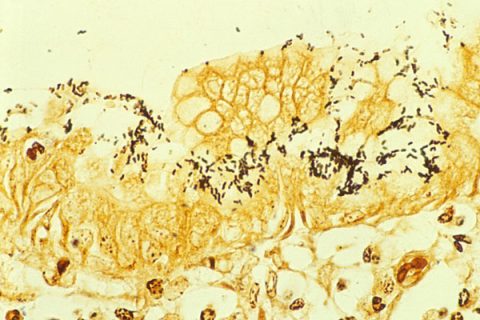
Infection with the bacterium Helicobacter pylori is a known risk factor for stomach cancer. Its link to colorectal cancer, however, remains an unconfirmed hypothesis. An international team has reviewed 43 studies on this subject and found that 22 per cent of colorectal cancer cases could potentially be linked to this infection, although when they selected the 14 most reliable studies, the figure fell to 12 per cent. According to the authors, exposure to Helicobacter pylori could be contributing significantly to the number of cases of colon cancer worldwide, but they point out that their study is only exploratory and that more robust research, such as clinical trials, is needed to establish a causal link. The results have been published in eGastroenterology.
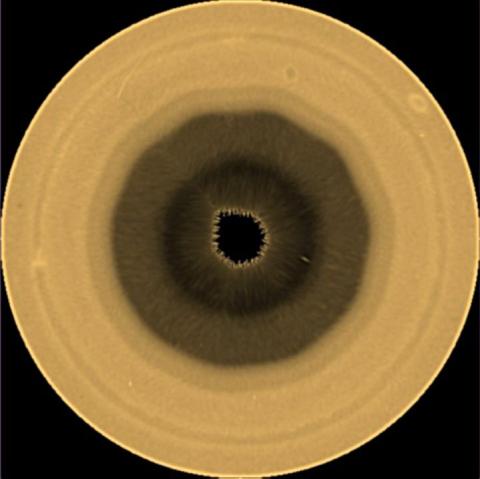
Thanks to the Voyager probe, we know that Saturn has a long-lasting hexagonal wave at its north pole, which is linked to a powerful jet of matter and energy. Now, a team led by the University of the Basque Country has discovered, for the first time, the presence of a decagonal wave at the south pole. The observations, carried out from the ground and using the Hubble Space Telescope, show that the decagon appears to have formed between 2023 and 2025 and may continue to evolve, in contrast to the more than 40 years of stability exhibited by the hexagon. The research is published in Science Advances and suggests that the ten-sided shape could be a meandering wave trapped by the curvature of a dominant atmospheric current.

A study published in Nature estimates that more than 10 million children in countries across East and Southern Africa and Southeast Asia have experienced at least one form of online sexual exploitation and abuse, including harassment, the sharing of images without consent, and blackmail. This means that one in six children who use the internet is affected. The analysis is based on data from nearly 12,000 children aged 12 to 17 in 12 countries across Africa and Asia collected between 2020 and 2021, and warns that the actual number could be higher, as many of these incidents went unreported. When they did report incidents, minors primarily turned to informal channels, especially friends, rather than formal reporting mechanisms such as the police or helplines.
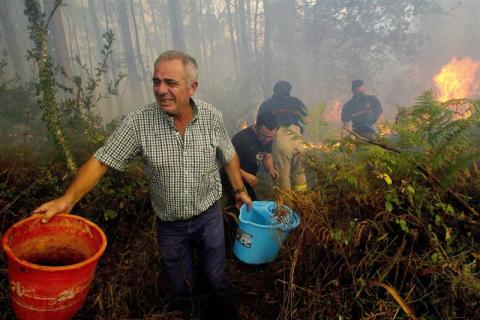
The way people respond to wildfire smoke varies depending on their level of education and only occurs once the smoke begins to pose a health risk. These are the main findings of a study based on geolocation data from 163,000 cell phones belonging to people exposed to air pollution during the 2018 wildfire season in California (United States). According to the authors, whose study is published in the journal PNAS, these gaps in awareness could pose an obstacle to interventions aimed at changing people’s behaviors.
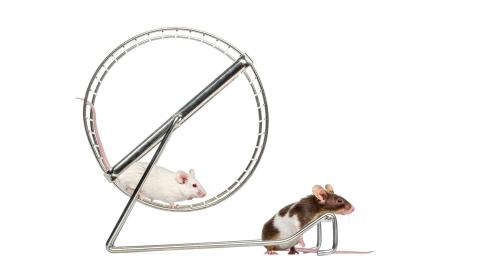
Various studies have shown that exercise benefits the brain. Now, an international team has studied in mice how physical activity affects the brain and how these changes influence the effects of exercise. The research, published in Neuron, has shown that physical activity causes brain changes in a region of the hypothalamus involved in how the body uses energy and in regulating blood sugar. If these neurons were blocked immediately after exercise, the animals showed no improvement in endurance or metabolism with training. The authors suggest that activating these neurons may help the body recover faster, allowing other parts, such as the muscles, lungs, and heart, to adapt more quickly to more intense workouts.

Genetics accounts for approximately 55% of the variability of human lifespan, which is more than double previous estimates, according to research published in the journal Science. The analysis is based on mathematical models and data from twin registries in Denmark, Sweden, and the United States. According to the authors, this high heritability is similar to that of most other complex human traits and to the influence of genetics on the life expectancy of other species.
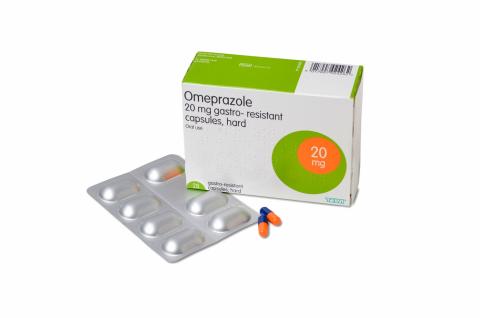
Several recent studies had concluded that the risk of gastric cancer doubled with the use of drugs such as omeprazole – proton pump inhibitors. A new study published in The BMJ states that there is no association between prolonged use of these drugs and the risk of gastric adenocarcinoma. The research used prospective data from registries in Denmark, Finland, Iceland, Norway, and Sweden between 1994 and 2020. The study included more than 17,000 patients with gastric adenocarcinoma (other than cardia cancer) who had been exposed to these drugs for more than one year.