Journalists

Journalists

Covering current events in science, the environment, technology and health requires a context and reliable sources that respond quickly.

¿Qué me ofrece?

When science hits the headlines, we publish reactions, explanations, and in-depth analysis from reliable sources, capturing both the evidence and the debates. Our library of science journalism resources and the briefings may be of use to you. Consult our directory of research centres.

Icono
Cómo trabajamos

We are on the lookout for any controversial information about science (embargoed or not), in order to react with the agility the media needs. Sign up to receive our embargoed contents, all under the Creative Commons licence. Find out more about how we work here.

Título qué me ofrece
What we offer you
Título cómo trabajamos
How we work

Reaction: risk of dying in hospital from respiratory causes is higher in summer than in winter

A study has analysed the association between ambient temperature and hospital mortality from respiratory diseases in the provinces of Madrid and Barcelona between 2006 and 2019. Their results indicate that high summer temperatures were responsible for 16% and 22.1% of all fatal hospitalisations for respiratory diseases in Madrid and Barcelona, respectively. According to the team, led by ISGlobal, "unless effective adaptation measures are taken in hospitals, global warming could exacerbate mortality in patients admitted for respiratory diseases during the summer period". The research is published in the journal The Lancet Regional Health - Europe.

0

Reaction: neuroprosthesis helps Parkinson's patient to walk

A neuroprosthesis that electrically stimulates an area of the spinal cord of a man with Parkinson's disease improved his mobility and balance, according to results presented in Nature Medicine. The 62-year-old patient had severe difficulties walking and frequent falls, despite trying other treatments. After trials in non-human primates, this is the first time this technology has been tested in a human being, who has now been using the neuroprosthesis about eight hours a day for two years. 

0

Reaction: Rats have imagination, according to a study

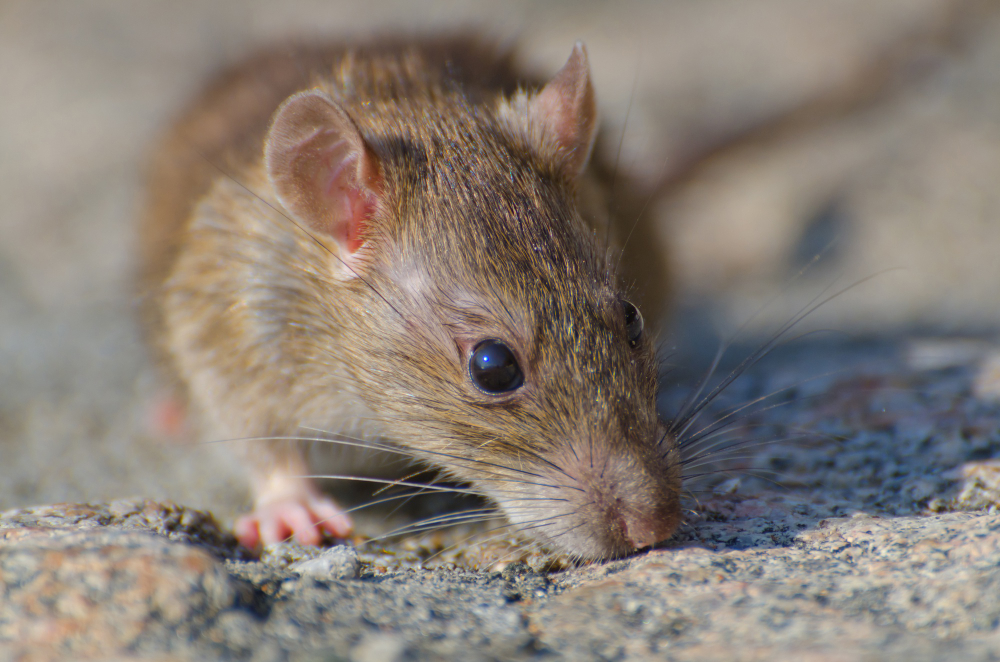
A research group has developed an innovative system that combines virtual reality and a brain-machine interface to probe the inner thoughts of rats. The results of their research, published in Science, suggest that, much like humans, animals can think about places and objects that are not right in front of them, using their thoughts to imagine walking to a location or moving a remote object to a specific point.

0

Reaction: study in mice associates punctuated sleep deprivation with antidepressant mechanisms

Researchers at Northwestern University in the United States have studied the effect of a temporary decrease in sleep on the mood of mice. According to their results, the animals became more hyperactive and hypersexual for a few hours. In addition, the occasional lack of sleep had an antidepressant effect that lasted for a few days and is explained by an increase in the release of dopamine. The results are published in the journal Neuron.

0

Reaction: Phase 1 trial tests fecal transplantation to reduce antibiotic-resistant bacteria in susceptible individuals

The risk of developing resistant bacteria is higher in some people, such as those who have to take long-term antibiotics after organ transplantation. To try to reduce them, a phase 1 clinical trial has performed a fecal transplant on 10 people who had previously received a kidney transplant and had resistant bacteria. The fecal transplants accelerated decolonization, shortened the time it took to test negative for multidrug-resistant organisms, and, according to the authors, may also "reduce the recurrence of infections." The results are published in the journal Science Translational Medicine.

0

Reaction: plastic waste in rivers can act as reservoir of antibiotic resistance genes

Plastic debris in rivers harbours specific types of bacteria that are potentially pathogenic and may act as reservoirs of antibiotic-resistance genes, according to a study published in Microbiome, which analysed samples collected from the River Sowe in the UK. This mixture of bacteria is different from that found in surrounding water, but similar to that found on wooden surfaces. The team, which includes a Spanish author, highlights the presence of Pseudomonas aeruginosa, Acinetobacter and Aeromonas bacteria.

0

Reactions: the available carbon budget to meet the Paris Agreement goals is smaller than previously thought

The amount of carbon available to emit without surpassing the 1.5°C limit set by the Paris Agreement, commonly referred to as the carbon budget, could be depleted within the next six years, as suggested by a study published in Nature Climate Change. The findings are based on a reevaluation of existing estimates and indicate that carbon budgets might be lower than previously believed.

0

Reactions: study reveals menopause in female chimpanzees

The vast majority of mammals remain fertile until the end of their lives. Humans and some species of whales deviate from that norm and do go through menopause. Now, research published in Science reveals that menopause exists in female chimpanzees, too, and that it lasts for a fifth of their adult lifespan. To reach these conclusions, the research team observed 185 female chimpanzees between 1995 and 2016 in Uganda's Kibale National Park and measured hormone levels in urine samples from specimens of various ages.

0

Reaction: Study warns of lack of literacy about deepfakes during wartime

A research project has analysed the Twitter discourse related to deepfakes in the context of the Russia-Ukraine war in 2022, studying almost 5,000 tweets related to these videos. Deepfakes are synthetic media that mix an original video with content generated by artificial intelligence, often with the aim of mimicking a person. The research, published in PLoS ONE, looks at the lack of literacy about deepfakes and the scepticism and misinformation that can arise when real media is mistakenly identified as fake. The authors warn that efforts to raise public awareness of this phenomenon can undermine trust in other legitimate media, that can also be seen as suspect.

0