Scientists

Scientists

For science to make the news in a rigorous and attractive way, good sources are needed. Because access to scientific knowledge is a citizen's right.

¿Qué me ofrece?

Help science make headlines with rigour and context. We’ll ask you for feedback on current events in your field and you can participate in the briefings we’ll organise. Need to prepare for an interview? Use our resources on science communication.

Icono
Cómo trabajamos

We’re on the lookout for controversial information about science and we will contact you for your analysis in your area. Do you want to be part of our sources? Contact us. We will not pass your contact details on to anyone else. You can find out more about how we work here.   

Título qué me ofrece
What we offer you
Título cómo trabajamos
How we work

Reactions to research warning of low impact of Sustainable Development Goals on public policy

The UN-driven Sustainable Development Goals (SDGs) have influenced governments' narratives around sustainability, but have not led to substantial changes in legislative action or resource allocation, according to an analysis published in the journal Nature Sustainability that has analysed more than 3,000 studies.

'Burnt out' in the ER

A survey of emergency professionals in more than 90 countries found symptoms of "worker burnout" in 60% of respondents. These are worrying data, says the president of the European Society of Emergency Medicine (EUSEM), because "two problems converge: high levels of burnout and a shortage of professionals".


1

The future of road transport is electric, but it should be eclectic

Last week, the European Parliament approved a ban on the sale of vehicles with emissions of more than 0 grams of CO2 per kilometre from 2035 in Europe. In addition, they also voted against an amendment that would allow car manufacturers to buy credits for so-called synthetic fuels. Is this the right measure to accelerate the decarbonisation of the transport sector?

1

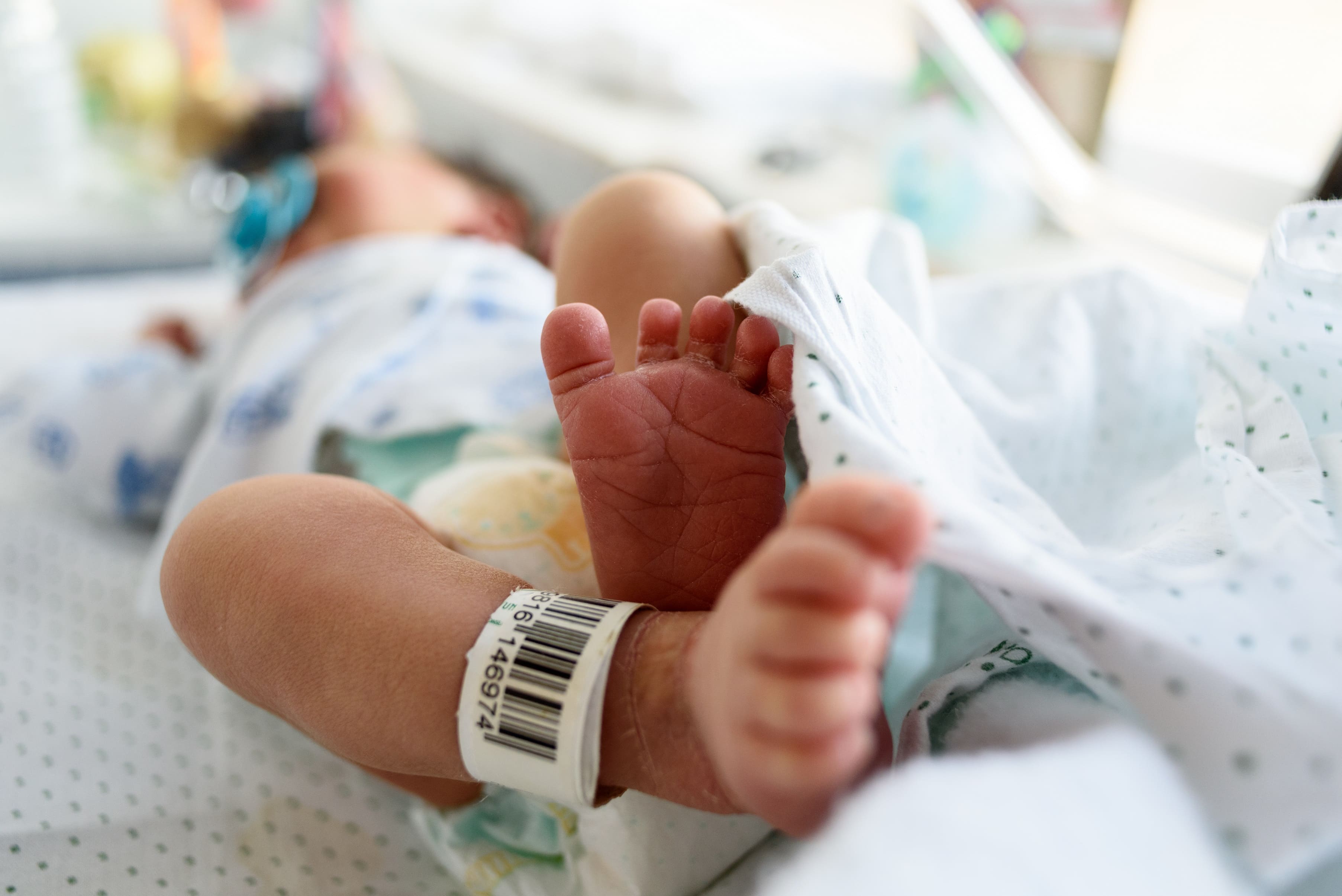
Reaction to research revealing that infant microbiome development varies according to lifestyle

A metagenomic comparison of the infant gut microbiome of industrialised and non-industrialised populations reveals robust differences that researchers say are lifestyle-dependent. The research involved samples from infants of Hadza, a group of modern hunter-gatherers living in Tanzania, and is published in the journal Science.