Scientists

Scientists

For science to make the news in a rigorous and attractive way, good sources are needed. Because access to scientific knowledge is a citizen's right.

¿Qué me ofrece?

Help science make headlines with rigour and context. We’ll ask you for feedback on current events in your field and you can participate in the briefings we’ll organise. Need to prepare for an interview? Use our resources on science communication.

Icono
Cómo trabajamos

We’re on the lookout for controversial information about science and we will contact you for your analysis in your area. Do you want to be part of our sources? Contact us. We will not pass your contact details on to anyone else. You can find out more about how we work here.   

Título qué me ofrece
What we offer you
Título cómo trabajamos
How we work

Reactions to study indicating that hormone therapy improves cognitive function in people with Down's syndrome

Researchers have tested a gonadotropin-releasing hormone (GnRH) therapy in mouse models and in males (in a pilot clinical trial) with Down's syndrome. The results, published in the journal Science, suggest improved cognitive function.

0

Reaction to study concluding that drinking black tea may be associated with lower mortality risk

Using data from the UK Biobank, where black tea consumption is common, researchers have examined whether its intake is associated with a lower risk of mortality. Participants who reported drinking two or more cups a day had a 9-13% lower mortality risk compared to non-tea drinkers. The results are published in the Annals of Internal Medicine.

The possible return to coal to replace gas for electricity production in Spain

A return to coal in Spain is not feasible in the short term, as many of the old thermal power plants have been dismantled. In the long term, the future of electricity production lies in renewable technologies, not only because of their environmental implications, but also because of energy independence with respect to third countries. In the short term, it is essential to continue using conventional technologies.

1

Reactions to the adoption of the new Science Law

The extraordinary plenary session of the Congress of Deputies today approved the reform of the Law on Science, Technology and Innovation. After being passed in the Lower House without any votes against it on 23 June, the bill was approved in the Senate on 20 July with an amendment referring to indefinite-term contracts, which was rejected today in Congress. 

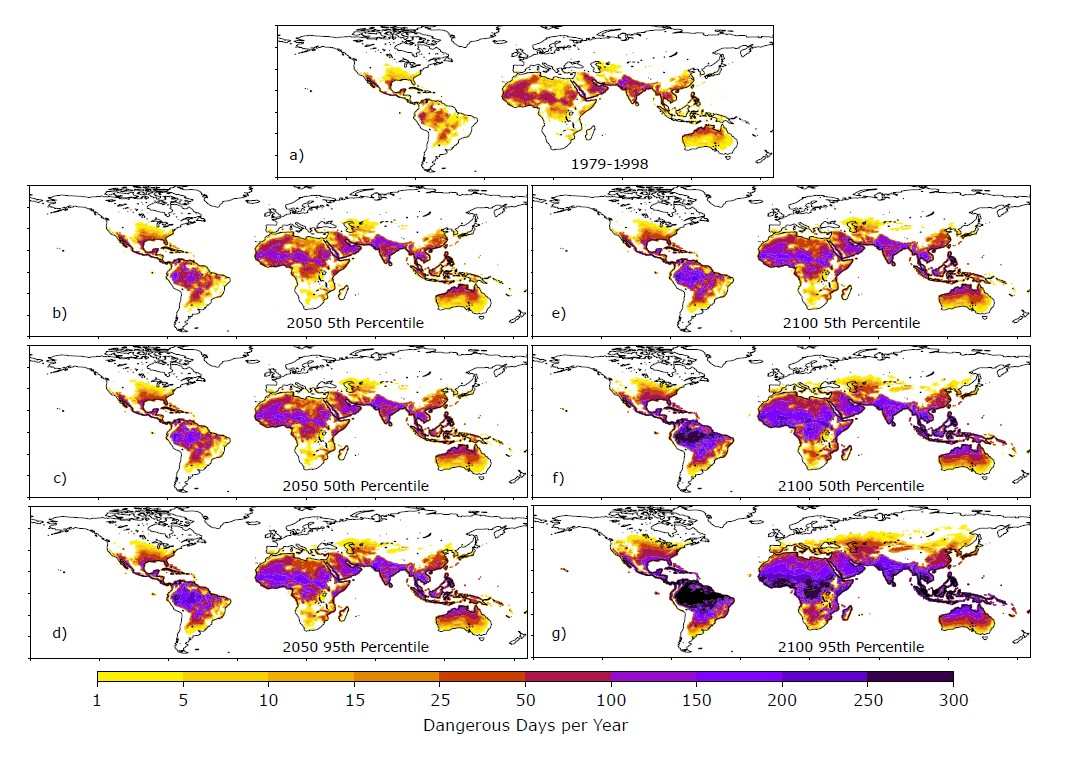
Reaction to study claiming that the frequency of heatwaves will increase this century

Research estimates that the rise in global average temperatures could approach 2 ˚C by 2050. The study, published in Communications Earth and Environment, estimates that by 2100 many people living in tropical regions will be exposed to dangerously high levels of heat on most days of the year. In addition, deadly heatwaves, which are currently rare in mid-latitudes, could occur every year in these areas.

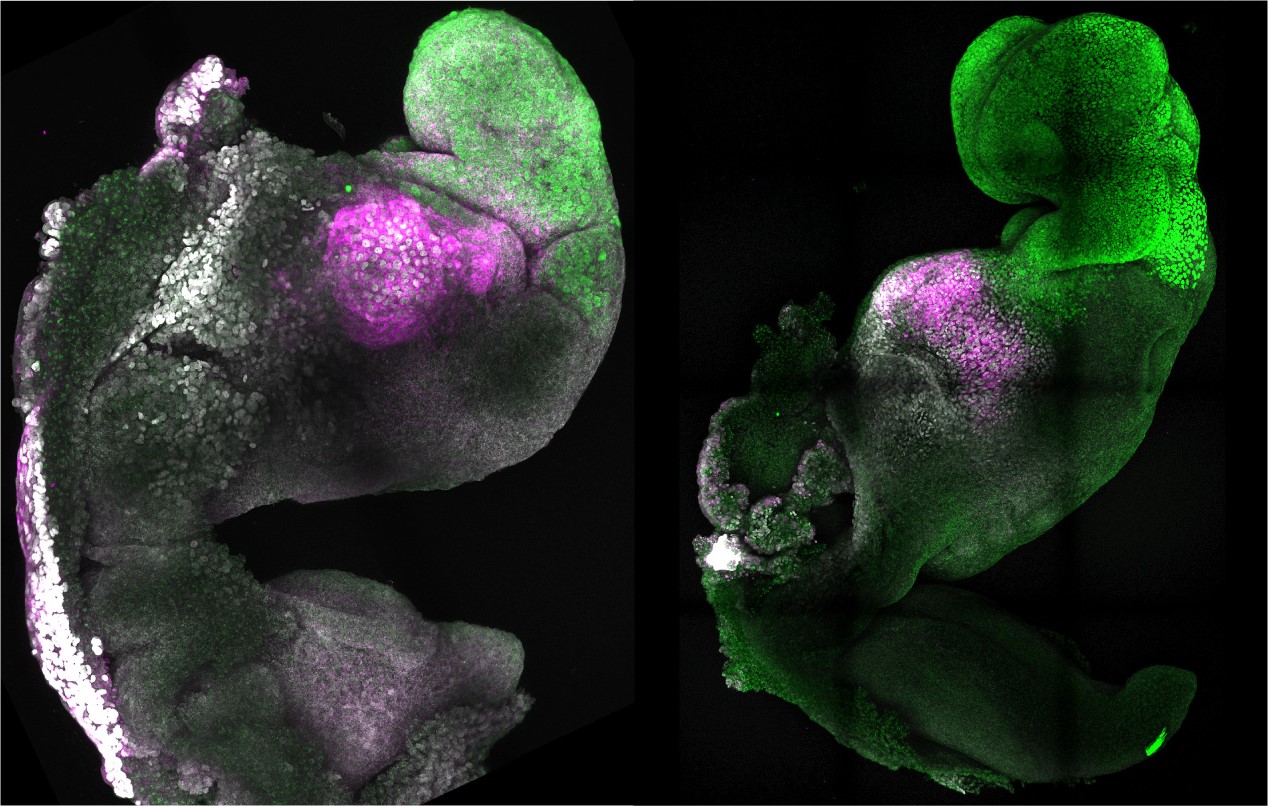
Reactions to the generation of synthetic stem cell-derived mouse embryos

Research published in Nature shows the creation of synthetic mouse embryos derived from stem cells. The embryo model copies the stages of natural rodent embryo development that take place up to day 8.5 after fertilisation and includes regions of the brain, a neural tube and a structure similar to a beating heart.

Reaction to the study analysing the effectiveness of Paxlovid against the omicron variant

A study published in the New England Journal of Medicine has analysed the effectiveness of the antiviral drug Paxlovid after implantation of the omicron variant. The relative risk of severe disease decreased markedly in patients over 65 years of age, both vaccinated and unvaccinated. No differences were found in those under 65 years of age.