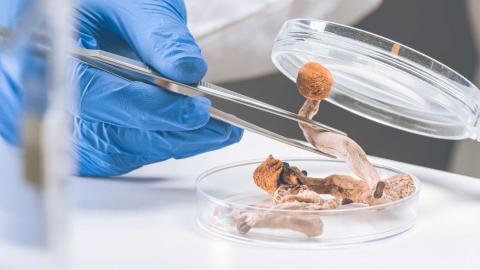
The study of psychedelic drugs in pharmacological treatments had its eureka moment with chemist Albert Hofmann's famous bike ride under the influence of LSD in 1938 and then developed over decades, but with Richard Nixon it was shelved. In recent years, it has resurfaced in hospitals and laboratories around the world. Last week, the Congress of Deputies hosted a conference on these substances. We explain what they are, what they are used for, the current state of research, and their risks, with the help of expert sources.

In February 2025, lithium concentrations suddenly increased around 96 km above sea level some 20 hours after a SpaceX Falcon 9 launch vehicle re-entered the atmosphere. This is the first direct detection of pollution in the upper atmosphere due to the re-entry of a spacecraft, according to a study published in Communications Earth & Environment. Lithium is used in spacecraft components, but it is only found naturally at these altitudes in trace amounts, and its accumulation could have consequences on the climate.
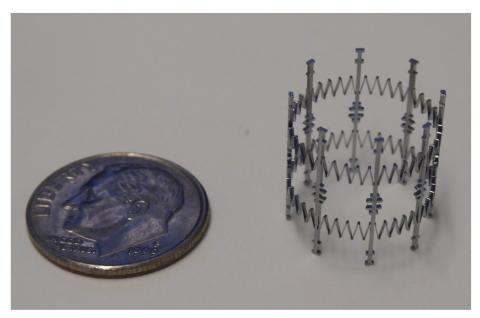
A new cardiac valve stent can expand on its own, according to preclinical tests conducted in piglets; the pediatric device doubled in size as the animals matured. As the authors note in their study published in Science Advances, this offers the possibility of adapting to the rapid growth of the hearts of babies and young children with congenital conditions. The stent, which is based on a spring-like expansion mechanism, could eliminate the need for repeated surgeries in pediatric patients.

On social network X (formerly Twitter), when users select the ‘for you’ option, the algorithm tends to steer them towards more conservative political options, according to research conducted with nearly 5,000 participants in the United States in 2023. The authors randomly assigned users to either an algorithmic or chronological feed for seven weeks. The switch from chronological to algorithmic feed increased engagement and shifted political opinion towards more conservative positions, especially on political priorities, perceptions of criminal investigations into Donald Trump, and opinions on the war in Ukraine. Conversely, switching from the algorithmic feed to the chronological feed had no comparable effects. ‘Initial exposure to X's algorithm has persistent effects on users' current political attitudes,’ say the authors of the study, published in Nature.

Human-induced climate change amplified the intensity and extent of the rainfall that affected Valencia during the October 2024 dana, according to a new attribution study involving several Spanish research centres. Using climate simulations, the study, published in Nature Communications, shows that present-day global warming conditions increased precipitation intensity by 21 %, expanded the area receiving more than 180 millimetres of rain by 56 %, and raised the total rainfall volume in the Júcar River basin by 19 % compared to a pre-industrial scenario. The authors highlight “the urgent need for effective adaptation strategies and improved urban planning to reduce the growing risks associated with extreme hydrometeorological events in a rapidly warming world.”
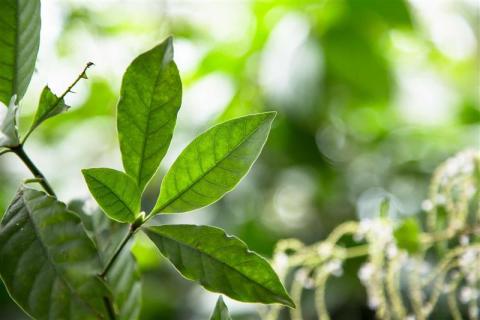
Dimethyltryptamine (DMT) is responsible for the psychedelic effects of ayahuasca. According to the results of a phase IIa clinical trial published in Nature Medicine, this molecule improved depressive symptoms in adults with depression after one dose. The trial included 34 people, 17 of whom received intravenous DMT. This second group showed greater improvements in depressive symptoms than the control group. After two weeks, in the second part of the trial, DMT was administered to all participants and the antidepressant effects lasted for three months. Adverse effects were mainly pain at the injection site, nausea and transient anxiety.
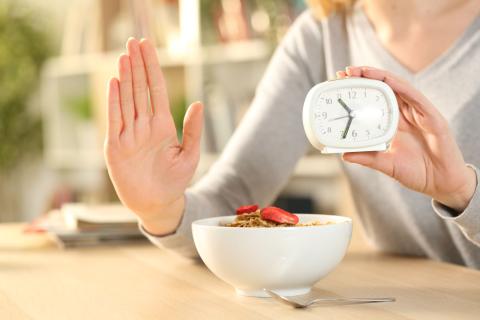
A meta-analysis published in the Cochrane Database of Systematic Reviews concludes that intermittent fasting is not particularly effective for weight loss in adults who are obese or overweight, who showed moderate weight loss. This strategy also does not differ significantly from standard dietary advice or improvement in quality of life. The review included 22 studies with nearly 2,000 participants and evaluated various forms of intermittent fasting, including restricting food intake for most of the day and fasting every other day.

Adopting a healthy diet at age 45 can add between two and three years to life expectancy in men, and between 1.5 and 2.3 years in women, according to a study based on data from more than 103,000 people in the United Kingdom. The positive impact is greater for men who follow a diabetes risk reduction diet (DRRD) and for women who follow a Mediterranean-style diet (AMED), says the article published in Science Advances.

High academic pressure during adolescence is linked to increased rates of depressive symptoms and self-harm, which can persist into early adulthood. This finding, published in The Lancet Child & Adolescent Health, was observed in a sample of nearly 5,000 young people born in England (UK) in 1991 and 1992. Academic pressure was measured when participants were 15 years old, mental health was assessed repeatedly between ages 16 and 22, and self-harm was tracked up to age 24. While the association with depressive symptoms was observed up to age 22, it was strongest at 16. Regarding self-harm, each one-point increase in academic pressure was associated with an 8 % higher likelihood of engaging in self-injurious behavior.
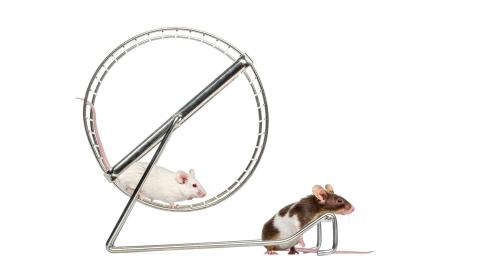
Various studies have shown that exercise benefits the brain. Now, an international team has studied in mice how physical activity affects the brain and how these changes influence the effects of exercise. The research, published in Neuron, has shown that physical activity causes brain changes in a region of the hypothalamus involved in how the body uses energy and in regulating blood sugar. If these neurons were blocked immediately after exercise, the animals showed no improvement in endurance or metabolism with training. The authors suggest that activating these neurons may help the body recover faster, allowing other parts, such as the muscles, lungs, and heart, to adapt more quickly to more intense workouts.