
The American Psychiatric Association has unveiled the new features of the forthcoming Diagnostic and Statistical Manual of Mental Disorders (DSM) in five articles published in The American Journal of Psychiatry. Among the highlights are the proposed change of name — it will become the Diagnostic and Scientific Manual — and the intention for it to be more dynamic, incorporating biomarkers for diagnosis and integrating the socioeconomic, cultural and environmental determinants of health. According to the authors, the aim is to enable a more personalised and inclusive clinical practice, aligned with scientific rigour. The most recent update was published in 2022 with the DSM-5-TR, and specialists are currently unaware of the date of the next edition, as they reported during a briefing with journalists.

A study based on models and data concludes that adverse health effects related to plastic emissions could more than double by 2040 if current practices do not change. The authors note that their model could not assess the potential impacts associated with many chemicals contained in plastics, nor with the microplastics and nanoplastics that form throughout their life cycle, due to a lack of data and “a serious lack of transparency regarding their composition.” The results are published in The Lancet Planetary Health.

Glucagon-like peptide-1 (GLP-1) receptor agonist drugs, used to control obesity and type 2 diabetes, are associated with changes in food purchasing in favour of healthier options. This result, published in the journal JAMA Network Open, was obtained by analysing nearly two million shopping receipts from more than 1,100 participants in Denmark. Those who started treatment with GLP-1 drugs began to make purchases with fewer calories, sugars, saturated fats and carbohydrates, along with a modest increase in protein content. A decrease in the purchase of ultra-processed foods was also observed.

The use of ADHD medication increased ‘substantially’ in five European countries between 2010 and 2023 — including Spain — especially among adult women, according to a study funded by the European Medicines Agency. In Spain (based on data from the SIDIAP in Catalonia), the median age of people using these drugs during the study period was 14, similar to Germany and the United Kingdom, but younger than in Belgium (19) and the Netherlands (20). One-third of these people are women, and one-quarter had previously been prescribed antidepressants. The analysis is based on prescription data for five medicines and is published in The Lancet Regional Health Europe.
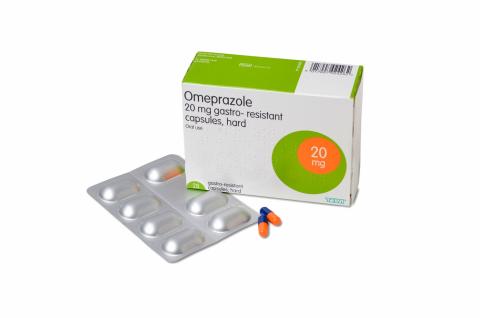
Several recent studies had concluded that the risk of gastric cancer doubled with the use of drugs such as omeprazole – proton pump inhibitors. A new study published in The BMJ states that there is no association between prolonged use of these drugs and the risk of gastric adenocarcinoma. The research used prospective data from registries in Denmark, Finland, Iceland, Norway, and Sweden between 1994 and 2020. The study included more than 17,000 patients with gastric adenocarcinoma (other than cardia cancer) who had been exposed to these drugs for more than one year.

A higher body mass index (BMI) correlates—regardless of age at menarche—with a lower risk of breast cancer, according to a meta-analysis based on genetic data from more than 56,000 women. The study, published in Science Advances, seeks to clarify previous seemingly contradictory findings: more body fat (measured by BMI) before puberty could have a protective effect against breast cancer; however, a higher BMI is also linked to earlier menarche, which is associated with an increased risk of developing this disease. The authors indicate that the prepubertal stage is a ‘critical window’ in which adiposity has the greatest influence on future breast cancer risk.
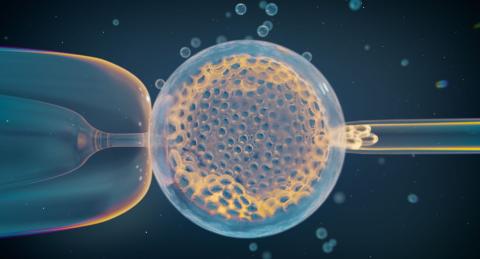
Around 15% of recognized pregnancies end in miscarriage, and it is estimated that almost half of all conceptions are lost in early stages, without people even realizing it. Now, a team from the United States and Denmark has analyzed data from more than 139,000 embryos from in vitro fertilization of nearly 23,000 couples and has found several genetic variants associated with a higher risk of miscarriage. Many of these are associated with meiosis, a key cell division process in sex cells. The authors, whose study is published in Nature, acknowledge that the new data will not allow for a precise estimation of individual risk, because the most important factors remain age and environmental elements.

A study published in Nature estimates that atmospheric microplastic emissions have been overestimated. The authors compared measurements of atmospheric microplastics from 76 studies conducted between 2014 and 2024 at various locations around the world with model simulations. According to the simulations, atmospheric microplastic concentrations were between 100 and 10,000 times lower than previously estimated.

Before being published, studies written by female researchers are spend a longer time in peer review than articles by male authors, according to an analysis of more than 36 million publications in biomedical and life science journals. The median peer review time is between 7.4% and 14.6% longer for female authors than for male authors in most disciplines, says the analysis published in PLoS Biology.

A new report from the United Nations University Institute for Water, Environment and Health (UNU-INWEH) toughens the discourse on the current water emergency by referring to an era of "global water bankruptcy". According to the report, the terms "water stress" or "water crisis" are no longer sufficient, as we find ourselves in a situation that goes beyond a temporary crisis, characterised by irreversible losses of natural water resources and the inability to return to historical levels. The report points out that, although not all basins are in water bankruptcy, "enough critical systems around the world have crossed these thresholds" and are interconnected through trade, migration, climate or geopolitics.