
A team from the United States has analyzed nearly twenty studies on melatonin use in children between the ages of 0 and 6 in different countries. Although it appears that melatonin can help improve sleep onset in children with neurological conditions such as autism spectrum disorders, the data indicate that in recent years there has been an increase in sales of these products without a clear understanding of their actual effectiveness and potential long-term consequences for typically developing young children. The results are published in JAMA Network Open.

The sequencing of the DNA of the virus found in wild boars infected with African swine fever in Catalonia and its comparison with the DNA of 17 of the 19 samples being investigated at the Animal Health Research Centre (IRTA-CReSA) has revealed that they do not match, according to a press conference held this morning by representatives of the scientific team in charge of the study and the Catalan Regional Ministry of Agriculture, Livestock and Fisheries. They consider the leak from the laboratory to be ‘highly unlikely’, although further studies are still ongoing. The research, led by the IRB, suggests that it could belong to a new strain not described in the scientific literature.

The end of the year is a good time to take stock. We love lists, but even more so, we love knowing what has interested you most from all we have published in 2025. So here are the 10 most-read articles—spoiler alert: yes, Trump and AI made it into the top ten.

In 2025, climate change drove extreme weather events around the world, disproportionately affecting vulnerable and marginalised communities. In addition, global temperatures were exceptionally high, heatwaves were significantly more intense than 10 years ago, and millions of people were pushed to the limits of their ability to adapt. These are the main conclusions of the 2025 report published by the World Weather Attribution initiative, whose experts believe that ‘drastically reducing fossil fuel emissions remains the key policy for avoiding the worst impacts of climate change’.
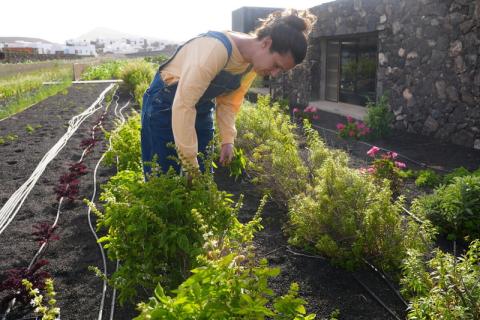
The General Assembly of the United Nations has declared 2026 as the International Year of the Woman Farmer. This initiative aims to ‘raise awareness and focus policy attention on the obstacles and challenges faced by women and girls in agriculture,’ as well as to promote actions to address these issues. But what are these obstacles? We answer questions about the situation of women farmers with data and expert sources.

One in five people in Spain suffers from unwanted loneliness, but what exactly is it? What consequences can it have and who suffers from it most? Is it appropriate and realistic to talk about an epidemic of loneliness? What are the causes and possible solutions? What role do social networks play? We answer these and other questions about a central problem in our societies.
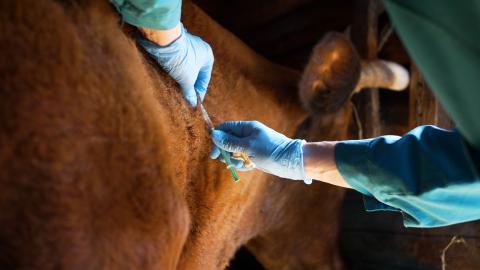
An international team has estimated global vaccination coverage and the incidence of 104 diseases transmitted by cattle, poultry and pigs in 203 countries and territories over the last two decades. Their conclusions are that current vaccination coverage of global livestock populations may be insufficient to prevent various diseases, such as anthrax, rabies and contagious nodular dermatosis, of which 17 outbreaks have been recorded in Spain. The results are published in PNAS.
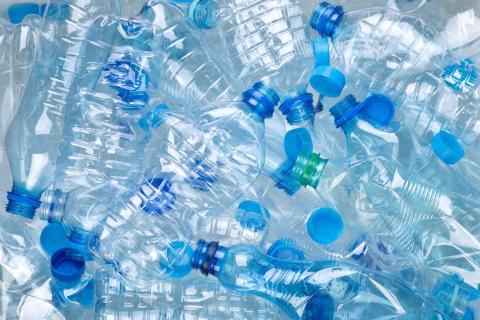
Recycling household PET waste—such as plastic bottles—using a new chemical process could generate a compound useful for synthesizing drugs, according to a study published in the journal Angewandte Chemie International Edition. The team discovered that, thanks to semi-hydrogenation, the waste could be broken down into a compound called EHMB, which is key to producing the cancer drug imatinib, a chemotherapy drug called procarbazine, and the insecticide fenpyroximate.
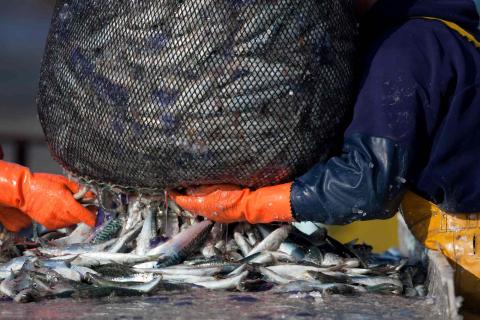
Science journal has published a global map showing exposure to perfluoroalkyl and polyfluoroalkyl substances (PFAS) through the consumption of fish products. PFAS are substances that are difficult to break down, meaning they can accumulate in the body, and some are linked to health problems. The authors collected data over 20 years from PFAS measurements in the marine environment and fisheries, and mapped the concentrations of these compounds in more than 200 species of marine fish. The study shows that international fish trade redistributes the risk of PFAS exposure from highly polluted regions to less exposed areas, with European trade playing a key role in increasing the risk of exposure to these substances.

Science magazine has chosen “the seemingly unstoppable growth of renewable energy” as the most notable scientific advance of 2025. The journal highlights that this year was the first in which solar and wind energy surpassed fossil fuel-based energy in certain areas. In this transition, Science highlights the role of China, which now dominates global production of solar panels, wind turbines, and lithium batteries, and has managed to make renewable energy technology cheaper. Among the obstacles, the magazine cites the continued widespread use of coal and political resistance in countries such as the United States.