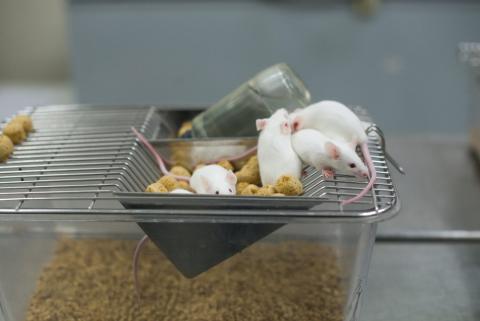
A team from the Netherlands has shown in mice that intermittent periods of fasting can help in the treatment of hormone-dependent breast cancers. Furthermore, the same effects can be achieved through corticosteroid therapy. The authors, who published their findings in Nature, point out that long-term safety and efficacy in humans must be evaluated before clinical applications can be made.

The journal Nature Medicine has published the results of the phase III STEER clinical trial for the treatment of spinal muscular atrophy in children aged between two and 18 years. A single dose of gene therapy administered directly into the cerebrospinal fluid showed an improvement in motor function in the children who received it in the clinical trial (75 compared to 51 with placebo). The drug in question is onasemnogene abeparvovec. On 24 November, the US Food and Drug Administration approved this treatment under the trade name Itvisma, from Novartis, based on data from this trial, making it the first treatment available for children over two years of age.

Two research teams, with some authors in common, have shown in two separate studies that interaction with chatbots using artificial intelligence (AI) can significantly change a voter's opinion about a presidential candidate or a policy proposal. One of the studies, published in Nature, was conducted in three countries (the US, Canada, and Poland), while the other, developed in the UK, is published in Science. Both studies reach the same conclusion: the persuasive power of these tools stems less from psychological manipulation than from the accumulation of fact-based claims that support their position. However, this information is not always accurate, and the greater the persuasive power, the greater the inaccuracy and fabrication.

A study published in the European Heart Journal shows that people with type 1 and type 2 diabetes have a higher risk of sudden cardiac death than those without these diseases. In addition, their life expectancy is lower. The research analysed data from 6,862 cases of sudden cardiac death in Denmark in 2010, and concluded that the incidence of these deaths is 3.7 times higher in people with type 1 diabetes than in the general population, and 6.5 times higher in people with type 2 diabetes. Those under the age of 50 were at the highest risk.

The rapid growth of satellite constellations threatens the operation of space telescopes, according to a study published in Nature. If the planned launches are completed, the Hubble Space Telescope could see more than a third of its images affected by light pollution from these satellites, as they share the same orbital space, while other telescopes would have more than 96% of their images damaged, the authors estimate.
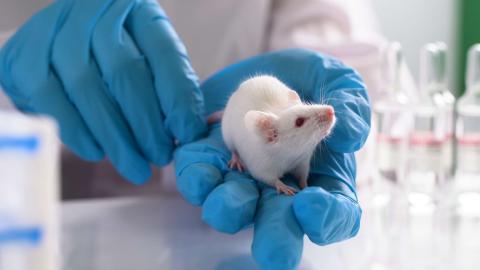
A study published in PLOS Biology analysed whether supplementation with zinc, serine and branched-chain amino acids —valine, isoleucine and leucine— improves autism-related symptoms in three mouse models. These nutrients are believed to regulate synaptic formation and activity. The results show that the combination of the three nutrients, at low doses for seven days, improved affected brain traits —such as hyperactivity and hyperconnectivity of the amygdala— and the social behaviour of the animals. Individual supplementation did not show such improvements.
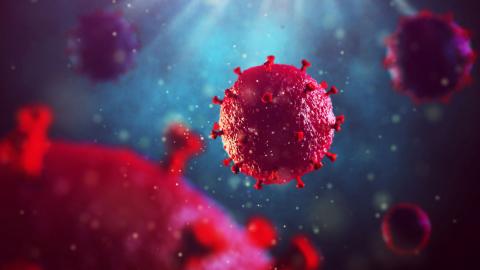
Stem cell transplants in cancer patients have achieved complete remission of HIV in a few cases in people who are also HIV-positive. However, in most cases, the donors were homozygous—with two identical copies of the gene—for a mutation in the CCR5 gene that is considered protective against the virus. A German team has now reported a new case of remission in a 60-year-old man with leukemia—called the “second Berlin patient”—in which the donor was heterozygous (only one of the two copies contained the mutation), which could broaden the alternatives. The results are published in the journal Nature.

The veterinary services of the Catalan Regional Government have notified the Ministry of Agriculture, Fisheries, and Food of the detection of two wild boars positive for African swine fever virus in Bellaterra (Barcelona), where they were found dead on November 26. These cases represent the first detection of the disease in Spain since November 1994, according to the ministry in a press release. African swine fever is considered a Category A disease by the European Union, which means that member states must take measures to control and eradicate it as soon as possible. It is a non-zoonotic disease, meaning that humans are not susceptible to infection either through contact with animals or through the consumption of animal products.
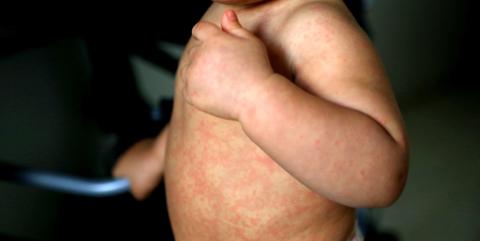
Global vaccination efforts have achieved an 88% reduction in measles deaths between 2000 and 2024, and nearly 59 million lives have been saved by the vaccine since the beginning of the century, according to a new report from the World Health Organization (WHO). However, an estimated 95,000 people—mostly children under the age of five—died from measles in 2024, a disease that could be prevented with an effective, low-cost vaccine. Although the death toll is one of the lowest in this period, measles cases are on the rise worldwide, with an estimated 11 million infections in 2024, nearly 800,000 more than pre-pandemic levels in 2019. Specifically, cases in Europe increased by 47% between 2019 and 2024.

A US research team has devised a method that uses a browser extension to alter the algorithm of X (formerly Twitter) to study its impact on user behaviour. In a 10-day experiment with 1,256 volunteers during the 2024 US presidential campaign, they used the method to vary the content expressing anti-democratic attitudes and partisan hostility. According to the authors, the results—published in Science—provide causal evidence that greater or lesser exposure to this type of content alters polarisation in the same way. Their conclusions contradict previous research published in the same journal, which found no such relationship on Facebook or Instagram. In that case, the study was conducted in collaboration with and funded by Meta.