
According to a study compiling data from 10,000 marine animal necropsies, 35% of birds, 12% of mammals, and 47% of turtles examined had ingested macroplastics, causing death in 1.6%, 0.7%, and 4.4% of these animals, respectively. The types of plastic that pose the greatest risk are rubber for birds, soft plastics and fishing debris for mammals, and hard and soft plastics for sea turtles, concludes this study published in PNAS.

According to a study published in the journal JAMA Health Forum, the use of the benzodiazepine lorazepam by the character Victoria Ratliff in the series The White Lotus was associated in the United States with an increase in Google searches for this medication, including queries about how to obtain it online. The series generated 1.6 million more searches than usual over a 12-week period. Although the study reflects searches for information and not actual consumption, the abuse of anti-anxiety drugs is a fact: illegal sales of benzodiazepines have increased in the United States, and Spain leads the rankings in terms of consumption.
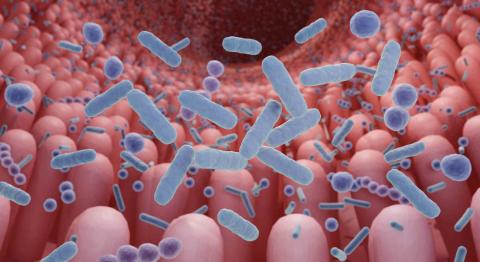
There is no solid scientific evidence that alterations in the gut microbiota cause autism, according to an opinion piece published in the scientific journal Neuron. The research supporting this hypothesis—observational studies and clinical trials in humans, as well as mouse models—has both conceptual and methodological shortcomings, the authors write.

A review conducted by the Cochrane Collaboration analyzed the effects of colchicine—a medication commonly used to treat some rheumatic diseases—on people who had already experienced a cardiovascular event. The review included 12 clinical trials with more than 23,000 patients and concluded that colchicine reduces the risk of stroke or heart attack in these individuals. Overall, for every 1,000 people treated, there were 9 fewer heart attacks and 8 fewer strokes compared to those who did not take the medication, with no apparent serious side effects.

At the current rate of carbon dioxide emissions, the 1.5°C temperature increase limit set in the Paris Agreement will be exceeded in four years. This is one of the predictions of the Global Carbon Budget 2025, the global report on the carbon balance, now in its 20th edition, which will be presented at COP30 in Belém (Brazil). Pep Canadell, one of its authors, analyzed its findings at a briefing organized by SMC Spain.

The Global Carbon Budget's projections for 2025 estimate that carbon dioxide (CO2) emissions from fossil fuels will reach a new all-time high of 38.1 billion tons, an increase of 1.1% over 2024. This global report—now in its 20th edition and to be presented at COP30 in Belém, Brazil—estimates that emissions in the United States and the European Union will grow this year, in contrast to the decline in previous years, partly due to weather conditions and higher energy consumption. The study is published in the journal Earth System Science Data in preprint format.

The prevalence—proportion of cases—of hypertension in minors has almost doubled worldwide between 2000 and 2020, rising from 3.4% to 6.53% in boys and slightly less in girls, according to a systematic review published in The Lancet Child & Adolescent Health. The study brings together data from nearly 444,000 children and adolescents up to the age of 19 in 21 countries.
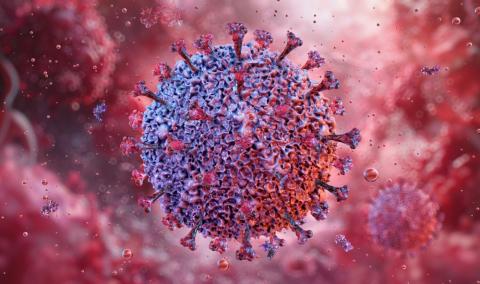
The Epstein-Barr virus, which causes mononucleosis, or the kissing disease, is present in approximately 95% of adults. Recent studies have confirmed its link to the vast majority of multiple sclerosis cases. Now, a US team has uncovered a mechanism that would also establish its connection to the development of systemic lupus erythematosus. “We believe it applies to 100% of cases of the disease,” the authors state, publishing their results in the journal Science Translational Medicine.

A study by the University of Cádiz has identified six factors that drive polarization around health-related issues, for example during crises such as the COVID-19 pandemic: political ideology, misinformation, social media dynamics, trust in institutions and professionals, risk perception, and socioeconomic factors. This review, published in Science Advances, brings together the conclusions of 90 previous studies and analyzes how these determinants exacerbate health inequalities and influence compliance with public health measures.

A team at Google DeepMind has developed AlphaProof, an artificial intelligence system that learns to find formal proofs by training on millions of self-formulated problems. According to the authors, the system “substantially improves upon previous-generation results on historical problems from mathematical competitions.” Specifically, in the 2024 International Mathematical Olympiad (IMO) for secondary school students, “this performance, achieved after several days of computation, resulted in a score equivalent to that of a silver medalist, marking the first time an AI system has achieved medal-level performance.” The results are published in the journal Nature.