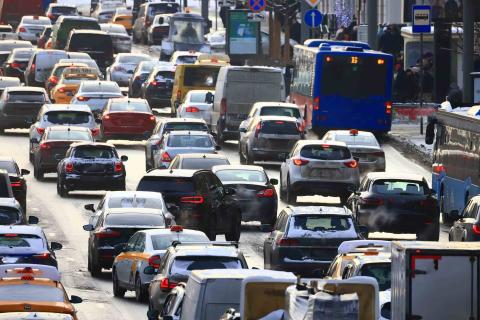
A study led by ISGlobal shows that European regions with higher levels of poverty and lower use of renewable energy face a greater risk of mortality from air pollution. The research, published in Nature Medicine, analysed 88.8 million deaths that occurred between 2003 and 2019 across 653 regions in 31 European countries, covering a population of 521 million people. Areas with higher GDP per capita, lower poverty rates, and longer life expectancy—mainly in northern and western Europe—showed lower mortality risks, while other regions, particularly in southern Europe, experienced up to double the associated risk.
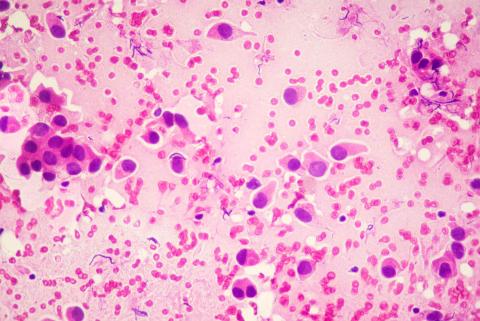
Glutathione is considered an antioxidant due to its ability to repair cellular damage. The body produces it naturally, but it is also sold as an antioxidant supplement. A study in mice and human tissue, published in Nature, shows that cancer cells can break it down and use it as fuel—particularly the cysteine it contains—promoting tumour growth and survival. “Depriving tumours of extracellular glutathione or inhibiting its breakdown is potentially a viable therapeutic strategy for cancer patients,” the authors state.
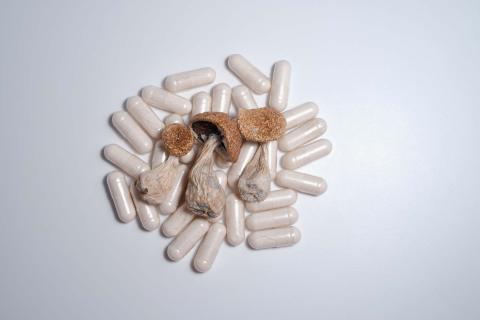
A meta-analysis published in the journal JAMA Psychiatry showed that psychedelic-assisted therapy is no more effective against depression than traditional antidepressants in clinical trials. The research found differences in the use of double-blind methods—that is, when neither the participants nor the researchers know which treatment each group is receiving—which minimises subjective influences on the results. Double-blinding made a difference in the case of traditional drugs, but not in the case of psychedelics, confirming that these trials are, in practice, always open-label.
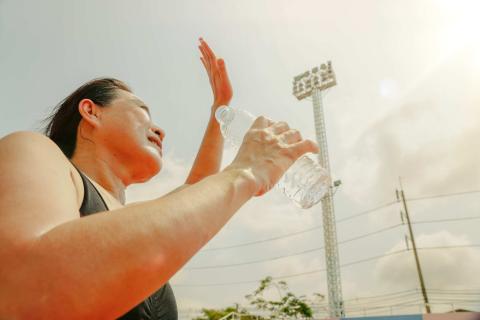
Physical inactivity driven by rising temperatures due to climate change could result in between 0.47 and 0.70 million additional premature deaths each year by 2050, according to projections from a new study published in The Lancet Global Health. The study analysed data on the relationship between temperature and physical inactivity across 156 countries between 2000 and 2022. Low- and middle-income countries, where access to air conditioning, the availability of shaded public infrastructure, and discretionary leisure time are limited, were the most affected. Spain is among the European countries expected to be most impacted.
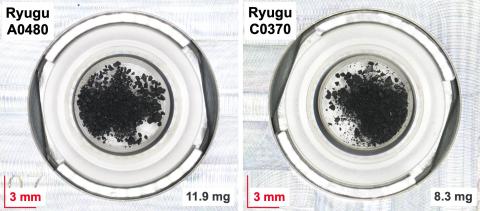
A Japanese research team has identified the five nucleic bases (adenine, guanine, cytosine, thymine, and uracil)—which form the building blocks of DNA and RNA—in samples from the asteroid Ryugu, according to a study published in Nature Astronomy, which compares the composition of these samples with those from the asteroids Bennu and Orgueil. “The detection of various nucleic bases in asteroid and meteorite materials demonstrates their widespread presence throughout the solar system and reinforces the hypothesis that carbonaceous asteroids contributed to the prebiotic chemical inventory of the early Earth,” the authors write.

A team from Canada conducted a review and meta-analysis of 42 studies on self-harm in children and young people from 12 high-income countries between 2000 and 2024. According to the available data, corresponding to more than 200 million people under 25 years of age, there was an annual increase of 2.5% in self-reported self-harm and 3.5% in medical visits for self-harm, particularly among girls. The results are published in JAMA Pediatrics.

A new study published in the journal Patterns investigates the influence of professional networks on positions of power. The authors drew on data from more than 19,000 senior executives across over 700 publicly listed Canadian companies between 2000 and 2022. Using deep learning artificial intelligence models, the team analysed the evolution of each individual’s social and professional networks throughout their career, as well as the factors affecting their likelihood of promotion. The results revealed a "clear 'glass ceiling effect': women on boards must build broader and more influential networks than men in order to reach comparable positions of influence, even when their demographic characteristics and career trajectories are similar".
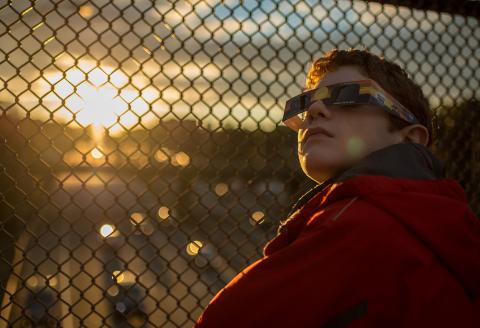
Research into the reactions of people who have witnessed total eclipses reveals that they are transformative experiences. All accounts speak of the amazement of seeing something that should not happen, but does. When the stars play hide-and-seek for a few minutes, what happens to the spectators is much more than the sum of orbits and analytical mechanics; it is emotion.
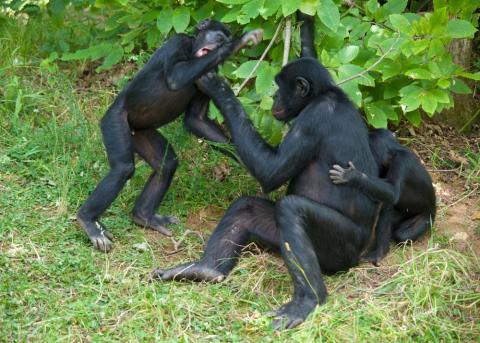
Bonobos and chimpanzees have the same level of aggression, but among bonobos, more aggression is observed from females towards males, and among chimpanzees, from males towards females, according to a study published in Science Advances. These findings contradict the idea that bonobos are peaceful and chimpanzees are aggressive, the authors write. Their analysis is based on the observation of 22 groups of animals in zoos (189 primates in total).
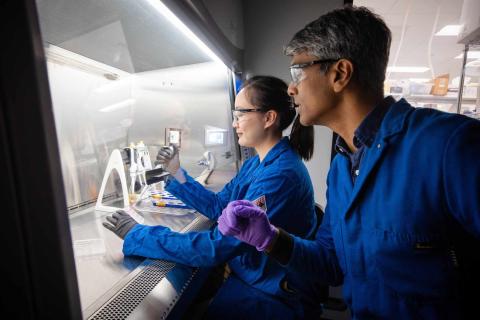
The so-called 'dark transcriptome' consists of non-coding RNA, i.e. RNA that does not provide instructions for building proteins. A study published in the journal Science Signaling used long non-coding RNAs (lncRNAs) and modified them to attenuate acute inflammation in mice and human cells. The authors are confident that this could open up a new field of therapeutic development.