
More than 60 % of the world's cities receive more precipitation than the rural areas around them, according to a study published in PNAS. The paper cites southern European cities such as Milan and Barcelona as examples of these ‘notable anomalies’, but adds that this phenomenon is not common in central and northern Europe. The research team analysed satellite and radar data from more than 1,000 cities around the world between 2001 and 2020.

A case-control study published in JAMA Pediatrics reports a relationship between certain aberrant metabolic biomarkers at birth and sudden infant death syndrome (SIDS). Although the research is preliminary and no screening test for this syndrome is yet available, the researchers believe their study is an important step toward integrating metabolic and genetic markers to identify infants at higher risk of sudden death.
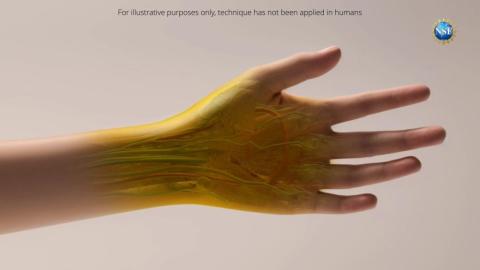
A team of researchers at Stanford University (USA) has developed a technique that makes animal tissues transparent in vivo and reversibly. Based on a food dye, they have tested it topically on mice. According to the authors, who publish their research in the journal Science, “this technology could make veins more visible for blood collection or help in the early detection and treatment of cancer”.

A study has analyzed data on prostate cancer incidence and mortality in 26 countries in Europe between 1980 and 2020. Its findings are that new diagnoses have increased due to the widespread use of PSA [prostate-specific antigen] testing, but mortality rates have not benefited in parallel. This suggests possible overdiagnosis, i.e., the detection of harmless tumors that are unlikely to cause symptoms or death in the patient's lifetime. The results are published in the journal The BMJ.

A study carried out in China has analyzed tissues from 461 fur animals, mostly farm-raised. They found 125 virus species, 39 of which presented a high risk of interspecies transmission. According to the authors, who publish the results in the journal Nature, “there is a need for more extensive and regular surveillance to assess the public health risks that could result from fur animal farming”.

More than 52 million tonnes of plastic waste are emitted around the world every year, according to a study published in Nature that inventories plastic pollution in 50,702 cities. It concludes that littering is the largest source of plastic emissions in the global North, and uncollected waste is the largest source in the South.

The use of GLP-1 analog diabetes drugs-such as semaglutide, sold under the trade name Ozempic-is not linked to an increased risk of suicide, according to two studies published in JAMA Internal Medicine. The first, led by a U.S. team, analyzes data from more than 3,300 people who have participated in clinical trials. The second analyzes data from 124,517 users of these drugs in Sweden and Denmark, and compares them with an even larger group of people who used another type of diabetes medication.

The radiation exposure from mobile phone use does not increase the risk of brain cancer, with evidence of “moderate” certainty, according to a systematic review, funded in part by the WHO and published in Environmental International. Exposure from fixed-site transmitters (like broadcast antennas) is also not associated with childhood leukaemia.

Mice with Alzheimer's disease are more resistant to the development of colorectal tumors, a study shows. An inverse relationship between Alzheimer's and cancer has already been shown in epidemiological studies in humans. An imbalance in certain intestinal bacteria contributes to this negative correlation in mice, adds the article published in PNAS.
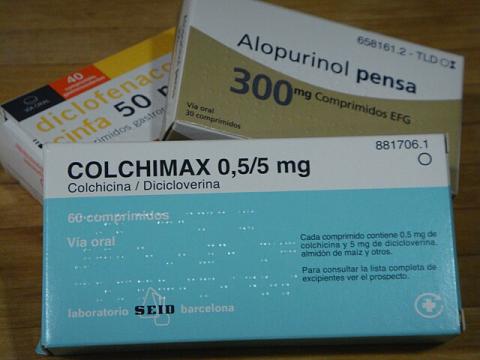
In a study published in the journal Nature Medicine, a team of researchers from the National Center for Cardiovascular Research (CNIC) proposes a new cardiovascular risk factor to add to those already known. It is clonal hematopoiesis, a phenomenon caused by acquired mutations in blood stem cells. Furthermore, in a separate study published in the European Heart Journal, they suggest that the drug colchicine could serve to reduce its effects.