
Studies associating the consumption of low amounts of alcohol with health benefits are not of good scientific quality, says a meta-analysis pooling the findings of 107 previous papers. For example, studies may use a reference group of older adults who have given up or limited alcohol for health reasons. Compared to those who continue to drink, the latter appear to be in better health, notes the article, published in the Journal of Studies on Alcohol and Drugs.
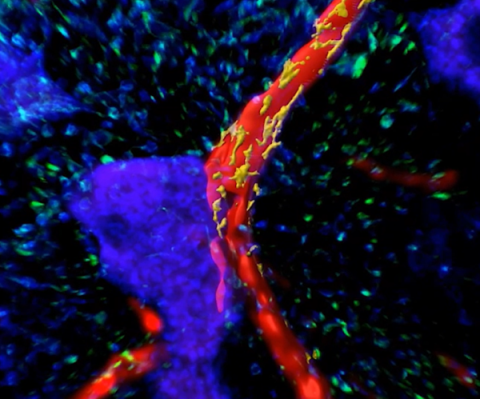
Japanese scientists have developed tiny liver organoids from stem cells that, transplanted into mice, integrate with the original organ and help repair fibrotic lesions. This scar-like tissue damage is common to many liver diseases, such as fatty liver disease and cirrhosis. According to the authors, who publish their results in the journal Science Translational Medicine, such organoids could offer an alternative to liver transplants in the future.

Using artificial intelligence (AI)-generated datasets to train future generations of machine learning models can contaminate their results, a concept known as ‘model collapse’, according to a paper published in Nature. The research shows that, within a few generations, original content is replaced by unrelated nonsense, demonstrating the importance of using reliable data to train AI models.

The surface of tree bark plays an important role in the elimination of methane gas from the atmosphere thanks to the microorganisms that live on it, according to a study published today in Nature in which CREAF participates. Methane is one of the gases responsible for the greenhouse effect. The authors estimate that this process, unknown until now, makes trees 10% more beneficial to the climate than previously thought.

A team led by the Carlos III Health Institute has analyzed how short-term concentrations of particles associated with wildfires and Saharan dust incursions influence hospital admissions in Spain due to mental and behavioral disorders. The results were explained in a briefing organized by the Science Media Centre Spain.

The use of faecal immunochemical testing (FIT) for colorectal cancer screening is associated with a 33% reduction in the risk of death from colorectal cancer, a study claims. The research, published in JAMA Network Open, analysed data from more than 10,000 people aged 52-85 in the US.

A healthy diet during pregnancy is associated with a lower likelihood of children being diagnosed with autism or communication difficulties, according to a study. The research team did not find a correlation between prenatal diet and repetitive and restricted behaviors (characteristic of these disorders). The analysis is published in JAMA Network Open and gathers data from more than 96,000 mother-child pairs in England and Norway.

A paper published today in the journal Science explores the potential of glucagon-like peptide-1 (GLP-1)-based drugs such as semaglutide to treat diseases beyond diabetes and obesity. For example, recent studies suggest that they could improve conditions ranging from depression to neurological disorders to cardiovascular and kidney disease.

Several studies have linked endometriosis to an increased risk of developing ovarian cancer. New research conducted in the United States on nearly half a million women has confirmed this association. Although the absolute risk remains low, the overall likelihood is four times higher than in the general population. However, the risk is higher when the endometriosis is of the infiltrative type or when an endometrioma develops in the ovary. The authors, who publish their results in the journal JAMA, raise the possibility of screening these women, because "precision medicine is more than just genetics".
An international group of researchers has shown in mice that inhibiting an inflammatory protein called interleukin 11 improved the animals' metabolic status, health and frailty. In addition, it increased their life expectancy by an average of around 25%. These effects have not been tested in humans, but clinical trials are underway testing an antibody directed against the same protein to see if it benefits cystic fibrosis patients. The results of the new research are published in the journal Nature.