
An international team of researchers publishes a review of the complex environmental impacts of genetically modified crops in the journal Science. According to the study, widespread adoption by some of the world's largest agricultural countries has had mixed results for biodiversity, deforestation and human health, depending on the specific characteristics of these crops and the regions involved.

An international team with Spanish participation has developed a database with the metagenome of bacteria, fungi, and yeasts present in more than 2,500 foods, mostly dairy products, followed by beverages and fermented meats. The authors identified more than 10,800 microorganisms, half of which were previously unknown species. The study, published in Cell, shows that food-associated microorganisms are present in 3% of the adult gut microbiome and 56% of that of newborns.

Coastal cities around the world appear to be adapting slowly to the effects of climate change and are relying on past and present experiences rather than projections of future risks, according to a systematic review published in Nature Cities.
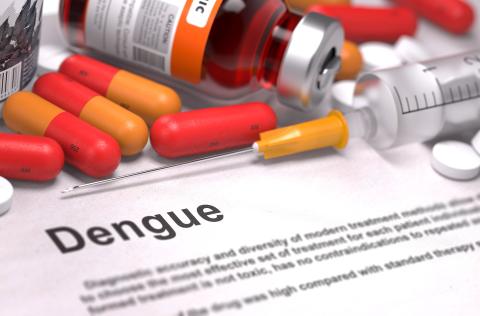
Increasing temperatures and international travel, among other factors, are causing the dengue epidemic to spread to more countries. In Spain, there is a growing number of imported cases, and health authorities warn that the incidence may increase. This article explains the basics of this disease.

The sperm of men infected with high-risk genotypes of the human papillomavirus (HPV) suffers more damage from oxidative stress and has a weaker immune response, which can lead to reduced fertility. This is one of the conclusions of a study published in the journal Frontiers in Cellular and Infection Microbiology. The research compared the semen of 20 adults infected with high-risk genotypes, seven infected with low-risk genotypes, and 43 adults without infections.

Analysis of 1,500 climate policies implemented in 41 countries over the last two decades - between 1998 and 2022 - shows that a small proportion - 63 of them - achieved a significant reduction in carbon dioxide emissions. The study, published in Science, indicates that a significant decrease in these emissions was recorded in the transport sector in Spain. According to the authors, the combination of several policy instruments is often more effective than the use of single measures.

A modelling study published in The Lancet Public Health using data from 854 European cities estimates that heat-related deaths will triple in Europe by 2100 under current climate policies. A slight decrease in cold-related deaths is projected, while heat-related deaths will increase in all parts of Europe. The most affected areas will include Spain, Italy, Greece and parts of France. Currently, around eight times as many people in Europe die from cold as from heat, but this proportion is projected to decrease considerably by the end of the century.
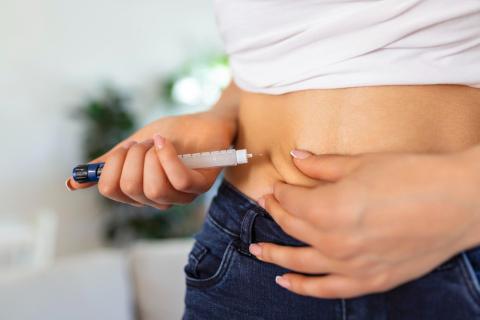
In research using a WHO database of adverse drug reactions, the authors identified a signal of disproportionality of suicidal ideation with semaglutide, one of the drugs used to treat type 2 diabetes and obesity. The study, published in JAMA Network Open, did not find this signal for liraglutide, another drug indicated for these treatments.
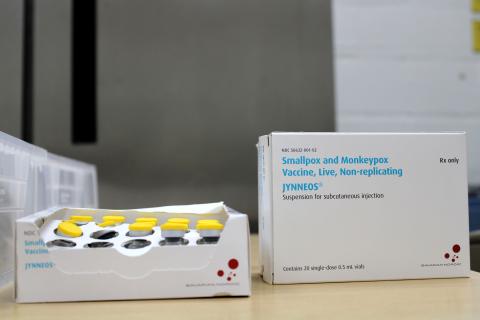
With the increase in cases of mpox, the European Union's Health Security Committee met on Monday. According to the Ministry of Health, the meeting concluded ‘with recommendations very similar to those previously issued by the WHO and the ECDC’. The risk of the likelihood of mpox spreading to the general EU population is currently considered to be ‘low’, although it increases in populations with close contact with diagnosed cases and in particularly vulnerable people. Further imported cases in the EU are not excluded and vaccination of the general population is not recommended. In addition, the HSC does not recommend border control.

If you're traveling to –or from– distant lands, this brief guide can help you minimize the effects of the time difference, the feared jet lag, so you can enjoy your vacation more (or go back to the routine less harshly).